- Details
- By Native News Online Staff
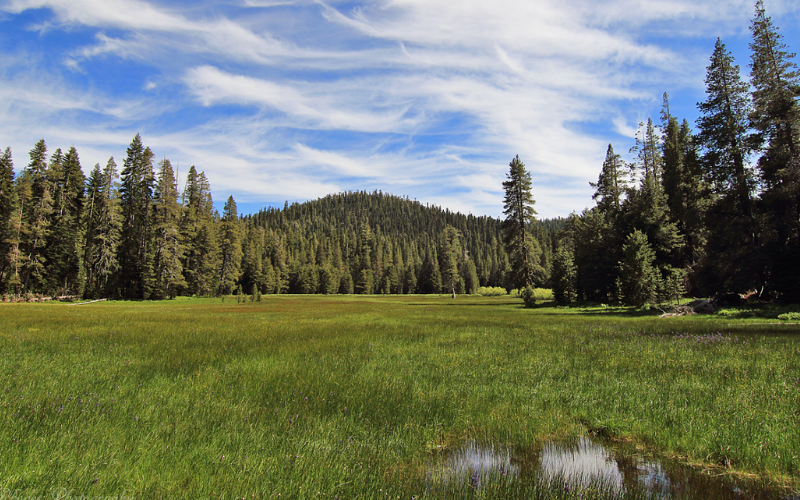
Nearly 900 acres of land have been returned to the Southern Sierra Miwuk Nation in California. The land borders Yosemite National Park -- one of the most visited National Parks—— and the Sierra National Forest.
The land was transferred from the Pacific Forest Trust and was underwritten by a grant from the California Natural Resources Agency Tribal Nature-Based Solutions Program.
The Nation now has ownership of the culturally significant Henness Ridge, site of an ancestral trail from the Central to the Yosemite Valley and a key migration corridor for deer and other mammals.
The trust has a history of working with tribal nations. In the 1990s, the organization partnered with the InterTribal Sinkyone Wilderness Council, establishing the first-ever conservation easement with tribal entities in the U.S.
Located just west of Chinquapin/Badger Pass and State Highway 41, the property overlooks both branches of the Wild and Scenic Merced River to the south and north, the Central Valley to the west, and the main Yosemite Valley to the north. Since time immemorial, the Southern Sierra Miwuks were stewards of the forests, meadows, and springs.
The Nation was expelled from its lands beginning in the late 19th century to make way for settlers and the lumber industry. The last of the tribal residents who lived in the valley were evicted by the National Park Service in 1969.
“Having this significant piece of our ancestral Yosemite land back will bring our community together to celebrate tradition and provide a healing place for our children and grandchildren,” Southern Sierra Miwuk Nation’s Tribal Council Chair and elder Sandra Chapman said in a press release. “It will be a sanctuary for our people.”
Tribal Secretary Tara Fouch-Moore said the transfer will bolster the Nation's food sovereignty and traditional ecological practices.
“We will be able to harvest and cultivate our traditional foods, fibers, and medicines and steward the land using traditional ecological knowledge, strengthening our relationships with plants and wildlife, and benefiting everyone by restoring a more resilient and abundant landscape," she said.
As well, the Southern Sierra Miwuk Nation will take over protection of water quality feeding the two tributaries of the Wild and Scenic South Fork Merced River.
More Stories Like This
Chilkat Indian Village Tells New Palmer Mine Owners They Are “Not Welcome” in Chilkat ValleyTribes, Coastal Group Ask Army Corps to Revoke Permit for Texas Export Terminal
Michigan Tribes Tell Supreme Court: Don’t Bail Out Enbridge
Alaskans Raise More Than $1 Million For Communities Devastated by Typhoon Halong
Help us tell the stories that could save Native languages and food traditions
At a critical moment for Indian Country, Native News Online is embarking on our most ambitious reporting project yet: "Cultivating Culture," a three-year investigation into two forces shaping Native community survival—food sovereignty and language revitalization.
The devastating impact of COVID-19 accelerated the loss of Native elders and with them, irreplaceable cultural knowledge. Yet across tribal communities, innovative leaders are fighting back, reclaiming traditional food systems and breathing new life into Native languages. These aren't just cultural preservation efforts—they're powerful pathways to community health, healing, and resilience.
Our dedicated reporting team will spend three years documenting these stories through on-the-ground reporting in 18 tribal communities, producing over 200 in-depth stories, 18 podcast episodes, and multimedia content that amplifies Indigenous voices. We'll show policymakers, funders, and allies how cultural restoration directly impacts physical and mental wellness while celebrating successful models of sovereignty and self-determination.
This isn't corporate media parachuting into Indian Country for a quick story. This is sustained, relationship-based journalism by Native reporters who understand these communities. It's "Warrior Journalism"—fearless reporting that serves the 5.5 million readers who depend on us for news that mainstream media often ignores.
We need your help right now. While we've secured partial funding, we're still $450,000 short of our three-year budget. Our immediate goal is $25,000 this month to keep this critical work moving forward—funding reporter salaries, travel to remote communities, photography, and the deep reporting these stories deserve.
Every dollar directly supports Indigenous journalists telling Indigenous stories. Whether it's $5 or $50, your contribution ensures these vital narratives of resilience, innovation, and hope don't disappear into silence.
 The stakes couldn't be higher. Native languages are being lost at an alarming rate. Food insecurity plagues many tribal communities. But solutions are emerging, and these stories need to be told.
Support independent Native journalism. Fund the stories that matter.
Levi Rickert (Potawatomi), Editor & Publisher