



- Details
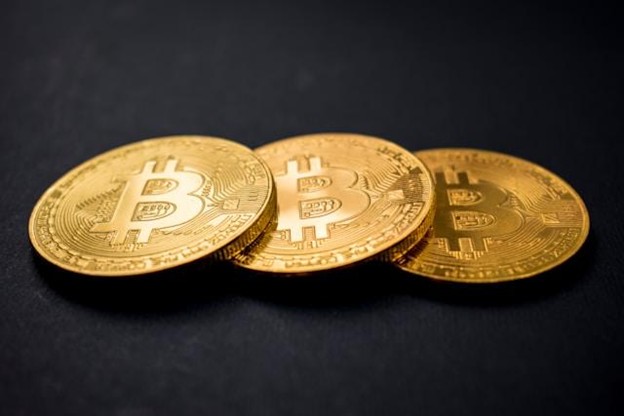
Bitcoin (BTC) is back on everyone’s lips. For the first time since 2018, it closed October in the red, leaving traders and analysts wondering if this is a temporary pause or the start of a big market correction. The so-called Uptober has always been a lucrative month for BTC, but this time, it turned into a real downer, with the leading cryptocurrency losing some 4%-5%. Bitcoin broke an all-time high of above $126,000 in early October before tumbling to its lowest price point since April. Right now, BTC hovers near $88,000 and whether it faces more downside depends on broader market sentiment.
Price fluctuations are nothing new for Bitcoin, which has built a reputation on them. A rebound in investor demand, especially in the wake of multiple economic shocks, results in price surges, while lower demand tends to put downward pressure on prices, but it can also translate into opportunities for investors who are in it for the long run. From news outlets to YouTube feeds, the same question echoes: “What’s next for Bitcoin?” This has made the BTC price prediction one of the most searched and debated topics in the crypto world.
Bitcoin has dropped sharply since late October/early November, sliding from roughly $126,000 to $88,000 after hitting lows around $82,000, bringing to light systemic shortcomings in the field. Traders are eager and anxious, but weigh the probabilities against shifting market signals, knowing that in this climate, patience is still the biggest edge in investing. Despite the rough tumble, most analysts expect Bitcoin to rise once again, but timing remains uncertain. You’ll just have to stick around and see.
Investor Sentiment, Market Behavior, And Pricing
Cryptocurrency is maturing from irregular price movements to more stable trading dynamics, with robust fundamentals and investors willing to take on the challenge. From the climate of fear and uncertainty in 2023 to the gradual and reliable growth in 2024, and then the meteoric rise of 2025, the past three years show that cryptocurrency is shifting from an experimental frontier into a recognized asset class. Be bold in your decisions, but measured in your approach. At a bare minimum, do your own research and seek advice from a financial professional before making any decisions.
The end of 2025 looks like an uncertain time for investing, with markets caught between optimism about cutting-edge innovations and lingering concerns over inflation, interest rates, and geopolitical risks. As borrowing costs stay high and supply chains crack under pressure, investors are knuckling down, trimming exposure to volatile markets and favoring safer bets. Some traders are cashing out or reducing exposure to Bitcoin altogether, though it’s not a full-blown “sell everything scenario.” Whale wallets, aka those holding 1000 BTC or more, are dumping aggressively as Bitcoin exchange reserves fall to record lows.
The crypto markets are like a duck: floating on a pond above the surface, they look composed and unruffled, but below the surface, they paddle like hell. This basically means that traders are holding back from making big moves until they see how upcoming events, data releases, and so on, might change the risk environment. In plain English, they’re waiting for clarity before committing capital. It’s a good idea to keep an eye on the going rate of BTC to USD because it’s both a price signal and a psychological anchor, setting off feedback loops of reactive trading.
Macroeconomic Pressures
The Federal Reserve cut interest rates for the second time this year in an effort to tackle the ever-rising unemployment rate. People are really worried about prices going up because of tariffs, especially after Trump rolled out big trade penalties on some of the country’s biggest partners. Inflation is still above the Fed’s 2% target, prompting a search for alternative assets as fiat currency slowly but surely loses its value and triggering central bank interest hikes that make cryptocurrency less attractive. Even if Bitcoin’s fixed supply makes it resistant to inflation, its price swings can weaken any appeal it might have as a protection against inflation.
The European Central Bank (ECB) intends to roll out a pilot of its digital currency in 2027 as long as it wins approval from lawmakers for a project it sees as key to the euro zone’s financial self-reliance. While it won’t make Bitcoin obsolete, it could change how people use and perceive cryptocurrency. The ECB keeps borrowing costs high and slows economic activity to curb inflation by raising interest rates or reducing bond purchases, and this can affect BTC in two ways: by influencing how people view Bitcoin versus state-backed money, and by shaping investor appetite.
Technical And On-Chain Factors
More miners generally means a higher hash rate, and the higher the Bitcoin hash rate, the harder the network is to attack. After the April 2024 halving, the block rewards were reduced from 6.25 BTC to 3.125 BTC, but despite this, the hash rate maintained its upward trend, reaching record levels close to 950–980 EH/s. Professional and competitive miners use next-gen ASICs with 16–17 J/TH efficiency to remain profitable. Much of the Bitcoin mining industry can now be found in Texas, whose renewable energy grid has demonstrated resilience and cost-effectiveness.
Mining doesn’t set the BTC price, but it can sway supply, market sentiment, and investor behavior, which in turn affect the price. Bitcoin mining is less profitable on average, forcing people to embrace change and new ideas, consolidate, or exit the crypto game; survival depends less on brute computing power and more on strategy, innovation, and adaptability. It’s an incredibly difficult business. Mining equities have posted strong gains, with several major players outperforming Bitcoin’s appreciation over the past year.
Competition And Market Diversification
Altcoins like Ethereum, Solana, Ripple, etc., are draining Bitcoin’s liquidity, often attracting investors looking for higher profits, different use cases (e.g., smart contracts, faster payments), and not risking everything on one venture. Big investors - banks, hedge funds, pension funds, and so on - are spreading their money beyond just buying BTC, using tools like tokenized assets and ETFs (exchange-traded funds). Stablecoins like USDT or USDC allow quick trading between crypto assets without converting back to fiat and can earn interest through lending or DeFi (decentralized finance) platforms while staying relatively safe.