- Details
- By Native News Online Staff
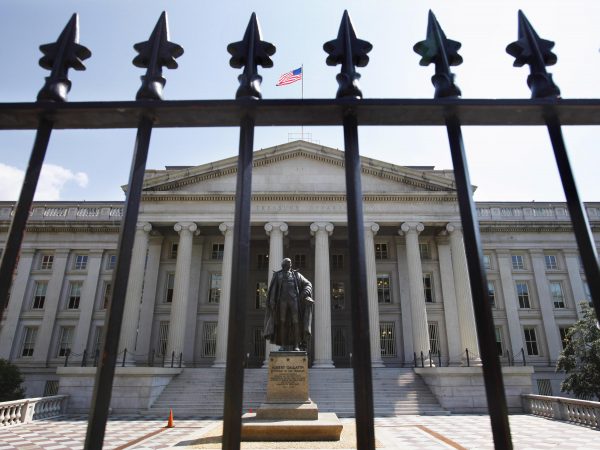
WASHINGTON—The Department of the Treasury’s CARES Act distribution formula determined 25 federally recognized American Indian tribes and Alaska Native tribal entities had zero population.
The formula, which was used to allocate $8 billion in relief funds for tribal governments, was based on population data from the Department of Housing and Urban Development (HUD) program for Indian Housing Block Grants, which doesn’t count tribal members who live off the reservation. Tribes with zero population were allocated the minimum distribution of $100,000 of CARES relief funding.
At least two federally recognized tribes have sued the Treasury for undercounting their populations. This week, the Miccosukee Tribe of Indians of Florida filed suit in federal court in Florida. The legal action follows a similar lawsuit filed by the Shawnee Tribe in June. Both tribes are seeking relief funding amounts they claim they are owed based on their actual populations rather than the HUD data.
The American Indian tribes in the group of 25 included:
- Miccosukee Tribe of Indians of Florida
- Onondaga Nation
- Tonawanda Band of Seneca
- Tuscarora Nation
- Delaware Tribe of Indians (Eastern)
- Jena Band of Choctaw Indians
- Shawnee Tribe
- Alturas Indian Rancheria
- Augustine Band of Cahuilla Indians
- Ewiiaapaayp Band of Kumeyaay Indians
- Inaja Band of Diegueno Mission Indians
- Jackson Band of Miwok
- Jamul Indian Village
- Koi Nation of Northern California (Lower Lake)
- Tejon Indian Tribe
The Alaska Native tribal entities included:
- Belkofski
- Bill Moore’s Slough
- Chuloonawick
- Council
- Hamilton
- Kanatak
- Mary’s Igloo
- Ohagamiut
- Paimiut
- Solomon
More Stories Like This
Native News Weekly (August 25, 2024): D.C. BriefsNavajo Nation Secures $285 Million in Federal Broadband Funding to Connect Thousands of Homes
Oral History Project Announces 18th Stop in Denver, Colorado: NABS Continues Preserving Critical Stories Across Indian Countr
Next on Native Bidaské: Protecting Legacy Before It’s Forgotten with the National Native American Hall of Fame
Zuni Youth Enrichment Project Wins $25,000 National Award to Strengthen Long-Term Support for Zuni Youth
Help us defend tribal sovereignty.
At Native News Online, our mission is rooted in telling the stories that strengthen sovereignty and uplift Indigenous voices — not just at year’s end, but every single day.
Because of your generosity last year, we were able to keep our reporters on the ground in tribal communities, at national gatherings and in the halls of Congress — covering the issues that matter most to Indian Country: sovereignty, culture, education, health and economic opportunity.
That support sustained us through a tough year in 2025. Now, as we look to the year ahead, we need your help right now to ensure warrior journalism remains strong — reporting that defends tribal sovereignty, amplifies Native truth, and holds power accountable.
 The stakes couldn't be higher. Your support keeps Native voices heard, Native stories told and Native sovereignty defended.
Stand with Warrior Journalism today.
Levi Rickert (Potawatomi), Editor & Publisher