- Details
- By Native News Online Staff
Two federally recognized tribes in Oklahoma are getting a $26 million boost for transportation infrastructure as part of a $3.3 billion federal spend aimed at "reconnecting communities that were cut off by transportation infrastructure decades ago," according to a press release.
The funding comes from the Reconnecting Communities Pilot and Neighborhood Access and Equity discretionary grant program as part of Biden's Investing in American Agenda.

Specifically, the Seminole Nation of Oklahoma is receiving $25,523,382 for the construction of a transportation visitor center and transit plaza. The multifunctional building is meant to reconnect the residents of the extremely rural Seminole Reservation through public transportation, social/cultural engagement, and economic opportunities. The plaza will provide opportunities for residents and visitors to learn about the history and culture of Seminole Nation while providing a public park with native plants and a community food garden so that residents can learn how to grow food for themselves. Finally, the project will provide safety for residents by featuring a basement storm shelter - the only one of its kind open to the public in our often storm-ravished community. This project will also create equity for historically marginalized people living in a rural, low-income community.
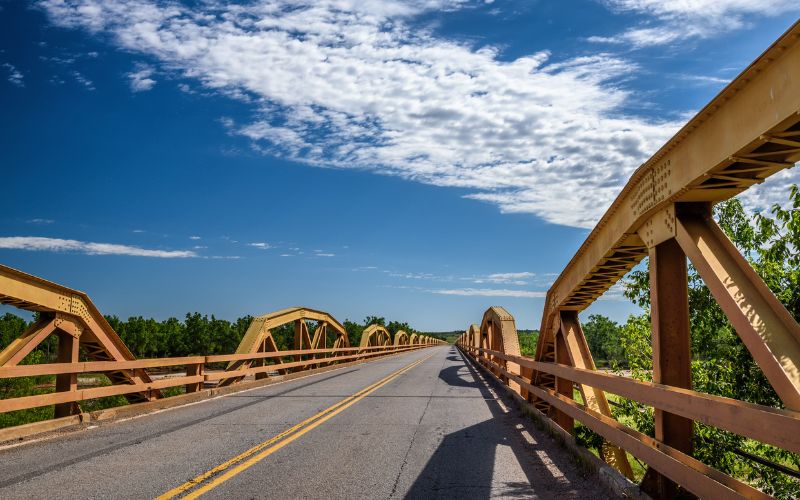
Also, Cherokee Nation will receive $2,498,931 for its Willis Road and Bridge Project, which will inform the design, engineering, and economic feasibility of the construction of 5.6 miles of new roadway and a new bridge crossing over the Illinois River. The lack of transportation facilities inhibits connections and isolates neighborhoods from parks, schools, community services, and other destinations, leading to economic and social isolation. The project removes barriers by increasing the effectiveness of public services offered to Tribal citizens. Construction of the Willis Road Bridge Project will improve emergency service response times, law enforcement response times, and help expand tribal transit services.
More Stories Like This
Native News Weekly (August 25, 2024): D.C. BriefsUS Presidents in Their Own Words Concerning American Indians
Native News Weekly (January 18, 2026): D.C. Briefs
Federal Judge Orders ICE to Halt Use of Pepper Spray, Arrests of Peaceful Protesters in Twin Cities
Tunica-Biloxi Cultural Leader John D. Barbry Walks On
Help us defend tribal sovereignty.
At Native News Online, our mission is rooted in telling the stories that strengthen sovereignty and uplift Indigenous voices — not just at year’s end, but every single day.
Because of your generosity last year, we were able to keep our reporters on the ground in tribal communities, at national gatherings and in the halls of Congress — covering the issues that matter most to Indian Country: sovereignty, culture, education, health and economic opportunity.
That support sustained us through a tough year in 2025. Now, as we look to the year ahead, we need your help right now to ensure warrior journalism remains strong — reporting that defends tribal sovereignty, amplifies Native truth, and holds power accountable.
 The stakes couldn't be higher. Your support keeps Native voices heard, Native stories told and Native sovereignty defended.
Stand with Warrior Journalism today.
Levi Rickert (Potawatomi), Editor & Publisher