- Details
- By Native News Online Staff
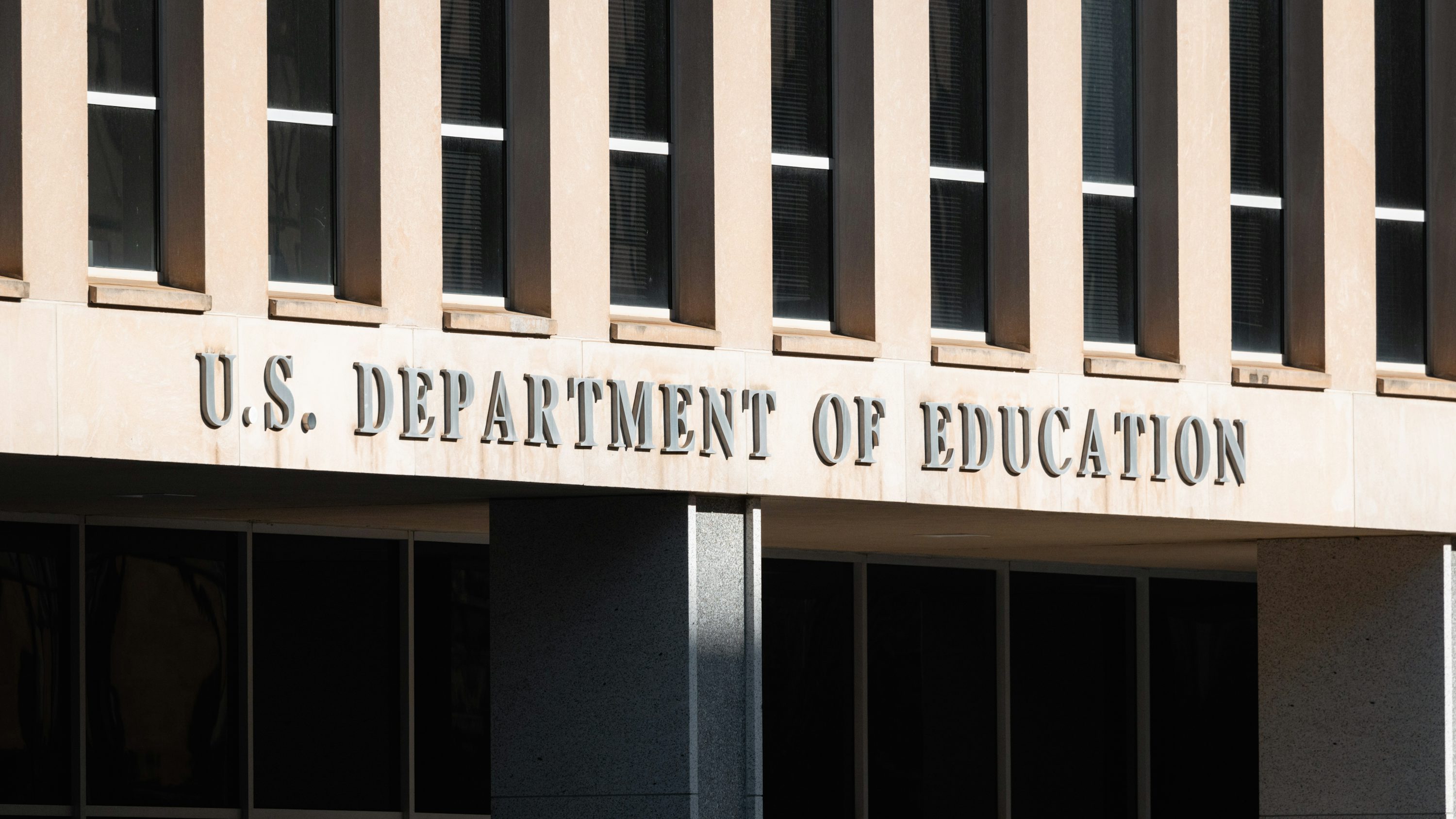
On Dec. 23, 2025, the U.S. Department of Education said it will begin administrative wage garnishment for borrowers with defaulted federal student loans in early 2026, marking the first resumption of such collections since the pandemic-era pause that began in 2020.
The first round of garnishment notices is scheduled to be sent the week of Jan. 7, 2026, according to the department. About 1,000 borrowers in default will receive notices in the initial wave, with the number increasing each month throughout 2026 as the agency expands enforcement efforts.
Please support our year-end campaign. CLICK HERE TO DONATE.
Under federal law, the government may order employers to withhold up to 15% of a borrower’s disposable income — pay remaining after legally required deductions — to be applied toward unpaid federal student loan debt. Administrative wage garnishment allows the government to collect without obtaining a court order.
Borrowers are generally considered in default after failing to make required payments for at least 270 days, or roughly nine months. Once in default, borrowers may face additional consequences beyond wage garnishment, including the loss of eligibility for federal student aid and damage to their credit.
The Department of Education paused most collection activities in March 2020 as part of pandemic relief measures. The resumption of garnishment signals a broader return to pre-pandemic enforcement practices as federal student loan policies continue to evolve.
Precise, real-time counts of Native American borrowers who are behind on federal student loan payments are not consistently available in federal reports. However, existing research shows that American Indian and Alaska Native borrowers experience the highest rates of repayment difficulty among all racial groups.
As of 2025, available data paint a stark picture of student loan delinquency and default among Native American borrowers. About two in five, or roughly 40%, of American Indian and Alaska Native students default on their student loans, according to research cited by higher education analysts.
Among borrowers who entered college during the 2011–12 academic year, more than 70% — 70.7% — had used forbearance within six years, the highest rate of any racial group. Heavy reliance on forbearance often signals financial distress and can lead to higher overall loan balances.
Impact on Native Americans
Native American borrowers also tend to carry their debt longer. Four years after graduation, they typically still owe about 87% of their original loan balance, compared with about 73% for white borrowers.
National data from 2024 and 2025 show that roughly 20% of all federal student loan borrowers are behind on their payments. While federal datasets often omit detailed racial breakdowns for Native Americans in recent years, historical trends suggest their arrears rates remain well above the national average, driven in part by persistent economic barriers in many Tribal communities.
Borrowing is also widespread. About 62% of Native American students take out student loans to finance their education, underscoring the disproportionate impact that renewed federal collection efforts may have on Native communities.
Department of Education officials have encouraged borrowers in default to explore options to avoid garnishment, including loan rehabilitation, consolidation or income-driven repayment plans, which may allow borrowers to bring loans back into good standing.
More Stories Like This
10 Years of Building Business Dreams for Indigenous WomenIchigo Foundation Awards American Indian College Fund Adult Education Program
Bard College Center for Indigenous Studies (CfIS) Hosts Annual Symposium With Keynote Speaker Miranda Belarde-Lewis on March 9–10
American Indian College Fund Announces Spring 2026 Faculty Fellow Cohort
Navajo Nation Signs $19 Million Diné Higher Education Grant Fund Act into Law
Help us defend tribal sovereignty.
At Native News Online, our mission is rooted in telling the stories that strengthen sovereignty and uplift Indigenous voices — not just at year’s end, but every single day.
Because of your generosity last year, we were able to keep our reporters on the ground in tribal communities, at national gatherings and in the halls of Congress — covering the issues that matter most to Indian Country: sovereignty, culture, education, health and economic opportunity.
That support sustained us through a tough year in 2025. Now, as we look to the year ahead, we need your help right now to ensure warrior journalism remains strong — reporting that defends tribal sovereignty, amplifies Native truth, and holds power accountable.
 The stakes couldn't be higher. Your support keeps Native voices heard, Native stories told and Native sovereignty defended.
Stand with Warrior Journalism today.
Levi Rickert (Potawatomi), Editor & Publisher