- Details
- By Native News Online Staff
The Department of the Interior today invited tribes to begin consulting on how best to implement the infrastructure bill that includes at least $13 billion for Native communities to improve roads, expand broadband access, and fund sanitation, water rights, and environmental reclamation projects.
“The Bipartisan Infrastructure Law is an unprecedented investment in Indian Country that will ensure that future generations have clean air, drinkable water, fertile soil and an overall quality of life that is currently threatened by the worsening climate crisis,” Secretary of the Interior Deb Haaland said in a statement. “Tribal leaders know best the needs of their people. It is critical that Tribes continue to be at the decision-making table as we implement this historic opportunity.”
The department sent letters to each tribal nation today, asking them to “offer input and provide feedback” on early planning decision for programs within the bill on Jan. 26-28. Those programs include:
- Tribal Climate Resilience programs;
- Water infrastructure and drought resilience programs;
- Indian water right settlement investments;
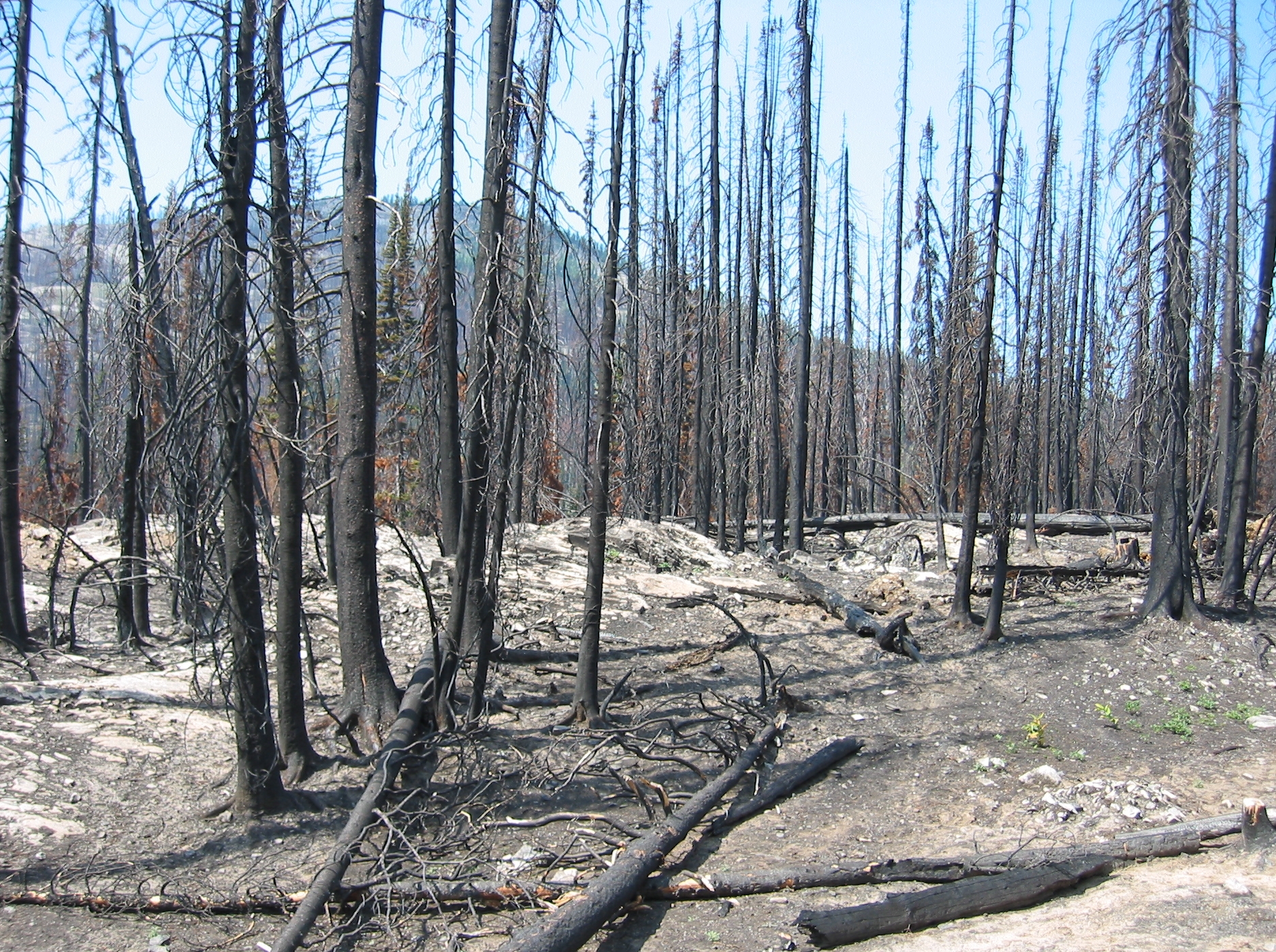
- Wildfire resilience programs;
- Ecosystem restoration programs;
- Legacy pollution programs; and
- U.S. Geological Survey infrastructure law programs.
Tribes can additionally submit written comments to [email protected] by Feb. 4.
More Stories Like This
Gwich'in Tribal Governments Submit Comments Challenging Fish and Wildlife Service's Inadequate Environmental Review of Arctic Refuge Snow RoadRappahannock Tribe Challenges 9M-Gallon Water Plan
Feds release draft long-term plans for Colorado River management
Apache Leader Walks 60 Miles to Court Hearing That Will Decide Fate of Sacred Oak Flat
Rappahannock Tribe Raises Sovereignty and Environmental Concerns Over Caroline County Water Permit
Help us defend tribal sovereignty.
At Native News Online, our mission is rooted in telling the stories that strengthen sovereignty and uplift Indigenous voices — not just at year’s end, but every single day.
Because of your generosity last year, we were able to keep our reporters on the ground in tribal communities, at national gatherings and in the halls of Congress — covering the issues that matter most to Indian Country: sovereignty, culture, education, health and economic opportunity.
That support sustained us through a tough year in 2025. Now, as we look to the year ahead, we need your help right now to ensure warrior journalism remains strong — reporting that defends tribal sovereignty, amplifies Native truth, and holds power accountable.
 The stakes couldn't be higher. Your support keeps Native voices heard, Native stories told and Native sovereignty defended.
Stand with Warrior Journalism today.
Levi Rickert (Potawatomi), Editor & Publisher