



- Details
- By Darren Thompson
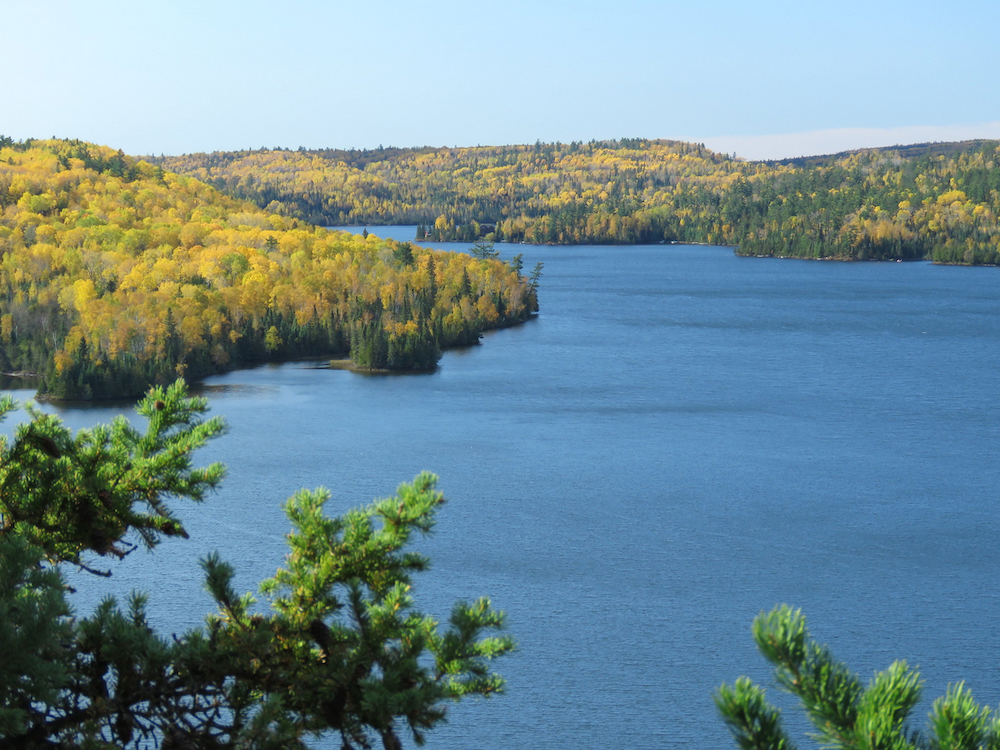
WASHINGTON—The Biden Administration has issued an order that will protect nearly a quarter-million acres of wilderness in northern Minnesota from mineral and geothermal exploration and development.
The order to protect the Boundary Waters Canoe Area Wilderness safeguards nearly 225,500 acres of National Forest System lands in three Minnesota counties. Signed by Secretary of Interior Deb Haaland (Laguna Pueblo), the order will expire in 20 years, unless changed, or extended, by the Interior Secretary.

“Today’s decision represents a culmination of a long-fought citizen-led battle to protect the Boundary Water Canoe Area Wilderness,” Tara Houska, founder of the Giniw Collective told Native News Online. “One of the last remaining wilderness areas in the whole of the United States slated for irreparable harms by sulfide mining and it says so much about corporate control, human greed and short-sightedness.”
The 20-year moratorium isn’t without turmoil, however. Twin Metals Minnesota, a mining project based in St. Paul, has been pushing to develop a copper and nickel mine near the Boundary Waters Canoe Area Wilderness for years. Twin Metals said in a statement that it was “deeply disappointed and stunned” in today’s order.
Twin Metals claims on its website that it has been conducting environmental studies for more than a decade as part of its effort to develop the mining project. The Obama Administration previously recommended a 20-year moratorium to the Boundary Waters region and the U.S. Forest Service sent a letter of the Bureau of Land Management denying consent for the renewal of two mineral leases near the Boundary Waters in 2016.
The Trump Administration reversed the previous recommendations and then reinstated Twin Metals’ leases for 10 years and issued a legal opinion that they were valid rights.
“This region sits on top of one of the world’s largest deposits of critical minerals that are vital in meeting our nation’s goals to transition to a clean energy future, to create American jobs, to strengthen our national security and to bolster domestic supply chains,” Twin Metals wrote in a press release on Thursday. “We believe our project plays a critical role in addressing all of these priorities, and we remain committed to enforcing Twin Metals’ rights.”
The company has sued the federal government for its leases to be reinstated.
“Guided by the best-available science, input from local communities, Tribal consultations, and the Dept. of Interior’s mandate to steward public lands and waters on behalf of all Americans, today I took action to protect the Boundary Waters Canoe Area Wilderness and a spectacular network of rivers, lakes and forests in northeastern Minnesota,” Haaland said in a statement on Thursday. “Protecting this special place is key to supporting clean water, a healthy landscape and its surrounding wildlife, upholding our Tribal trust and treaty responsibilities, and boosting the local outdoor recreation economy.”
According to the Minnesota Department of Tourism, the Boundary Waters’ outdoor recreation economy generates $540 million annually in the area.
“As a next-door neighbor, as a mother, as a living being, miigwech (“Thank you” in the Ojibwe language) for fighting,” said Houska, an Ojibwe attorney who lives in the Boundary Waters region.
Last November, Minnesota Representative Betty McCollum, a Democrat, introduced a bill to protect the Boundary Waters permanently from mining activity. The Boundary Waters Wilderness Protection and Pollution Presentation Act
She wrote in a letter to President Biden in February 2021, “Mr. President, permanently protecting the Boundary Waters Canoe Area Wilderness, our nation’s most visited wilderness, is critical to an agenda that prioritizes climate action, biodiversity preservation, clean water protection, and environmental justice. I am proud to join with Native American leaders, conservation and environmental organizations, and millions of Americans who are not willing to risk toxic mining poisoning the BWCA Wilderness.”
More Stories Like This
Gwich'in Tribal Governments Submit Comments Challenging Fish and Wildlife Service's Inadequate Environmental Review of Arctic Refuge Snow RoadRappahannock Tribe Challenges 9M-Gallon Water Plan
Feds release draft long-term plans for Colorado River management
Apache Leader Walks 60 Miles to Court Hearing That Will Decide Fate of Sacred Oak Flat
Rappahannock Tribe Raises Sovereignty and Environmental Concerns Over Caroline County Water Permit
Help us defend tribal sovereignty.
At Native News Online, our mission is rooted in telling the stories that strengthen sovereignty and uplift Indigenous voices — not just at year’s end, but every single day.
Because of your generosity last year, we were able to keep our reporters on the ground in tribal communities, at national gatherings and in the halls of Congress — covering the issues that matter most to Indian Country: sovereignty, culture, education, health and economic opportunity.
That support sustained us through a tough year in 2025. Now, as we look to the year ahead, we need your help right now to ensure warrior journalism remains strong — reporting that defends tribal sovereignty, amplifies Native truth, and holds power accountable.
 The stakes couldn't be higher. Your support keeps Native voices heard, Native stories told and Native sovereignty defended.
Stand with Warrior Journalism today.
Levi Rickert (Potawatomi), Editor & Publisher