
- Details
- By Kaili Berg
Hilary, the first tropical storm to hit Southern California in more than 80 years, headed to Indian Country, affecting as many as 60 different tribal nations across California, Nevada, Arizona, and Utah.
Hilary was an unprecedented and severe storm that unleashed high winds and heavy rains in Southern California Sunday evening and continued its path into parts of Nevada, Arizona, Utah, Idaho, and Oregon until Tuesday night.
The California Highway Patrol posted images on social media of flooding, mudflows, and debris that washed out some roadways and people left their cars stranded in standing water.
Kelbie Kennedy (Choctaw), FEMA National Tribal Affairs Advocate, spoke with Native News Online about the tropical storm.
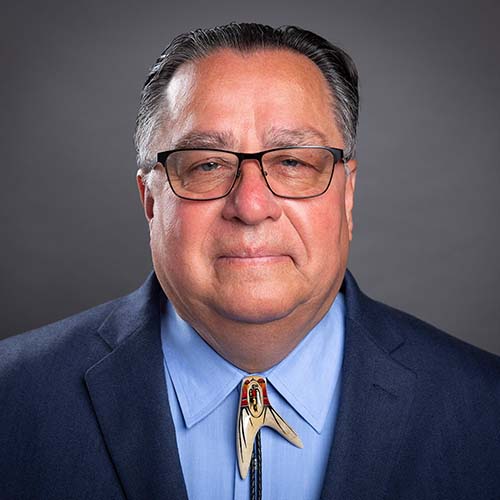
“We immediately started reaching out to Tribal Nations to make sure that we have the government to government communications through our regional office,” Kelbie Kennedy (Choctaw), FEMA National Tribal Affairs Advocate, told Native News Online.
FEMA Administrator Deanne Criswell sent out a letter on Monday directly to tribal leaders, helping open up the lines of communication with leadership and urging them to continue doing all the fantastic work that they are doing to save lives in Indian country.
Kennedy said the Sandy Recovery Improvement Act of 2013 included a provision to provide federally recognized Indian tribal governments the option to request a Presidential emergency or major disaster declaration independent of a state.
Kennedy said after consulting with Tribal Nations, FEMA released the Tribal Declarations Pilot Guidance in 2017, which serves as a resource for Tribal Nations on Stafford Act declarations, and disaster assistance, and includes the criteria that FEMA uses to evaluate declaration requests from Tribal Nations and make recommendations to the Presidents regarding whether to declare an emergency or major disaster.
“FEMA is in the middle of consulting with tribal nations on how do we improve that disaster declaration process? How are we updating our process to make sure that we are doing it in a way that respects our treaty and trust responsibilities?” Kennedy said.
FEMA invites Tribal Nations to attend a series of government-to-government listening sessions and tribal consultations on the Tribal Declarations Pilot Guidance. There is a written comment deadline for tribal leaders on September 17.
“Anytime that we have an active disaster, I really want to highlight for tribal nations that they are going to be going through a process, and FEMA is actively working to make sure that we are improving that process for all of Indian Country,” Kennedy said.
More Stories Like This
Gwich'in Tribal Governments Submit Comments Challenging Fish and Wildlife Service's Inadequate Environmental Review of Arctic Refuge Snow RoadRappahannock Tribe Challenges 9M-Gallon Water Plan
Feds release draft long-term plans for Colorado River management
Apache Leader Walks 60 Miles to Court Hearing That Will Decide Fate of Sacred Oak Flat
Rappahannock Tribe Raises Sovereignty and Environmental Concerns Over Caroline County Water Permit
Help us defend tribal sovereignty.
At Native News Online, our mission is rooted in telling the stories that strengthen sovereignty and uplift Indigenous voices — not just at year’s end, but every single day.
Because of your generosity last year, we were able to keep our reporters on the ground in tribal communities, at national gatherings and in the halls of Congress — covering the issues that matter most to Indian Country: sovereignty, culture, education, health and economic opportunity.
That support sustained us through a tough year in 2025. Now, as we look to the year ahead, we need your help right now to ensure warrior journalism remains strong — reporting that defends tribal sovereignty, amplifies Native truth, and holds power accountable.
 The stakes couldn't be higher. Your support keeps Native voices heard, Native stories told and Native sovereignty defended.
Stand with Warrior Journalism today.
Levi Rickert (Potawatomi), Editor & Publisher