- Details
- By Jenna Kunze
The U.S. Department of Energy today awarded almost $9 million in funding to 13 Native American communities for projects that will increase alternative energy, reduce energy costs, and increase energy security on tribal lands.
Tribes from Alaska, California, Idaho, Washington, New Mexico, Minnesota, and Arizona were selected for the competitive grants.
The projects will provide communities with clean electricity, power residential buildings that lack electricity, install microgrids and increase workforce training opportunities, according to the Department’s press release.
Want more Native News? Get the free daily newsletter today.
The largest grants were awarded to Navajo Nation in Arizona at a pre-negotiated amount of $2.8 million and the Karuk Tribe in Northern California at nearly the same amount—each with half the awarded amount matched in cost sharing by the tribe.
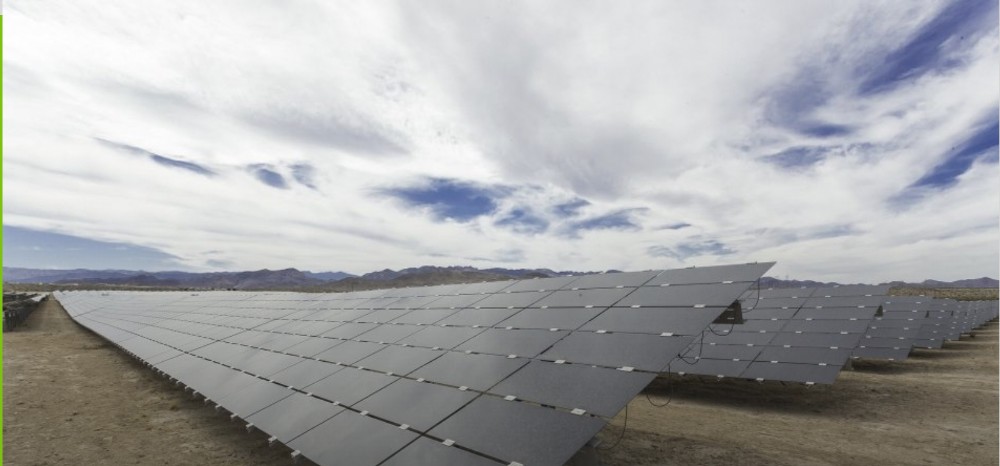
The Navajo Nation will use its funds to install a microgrid to provide power and internet for one of its communities currently without power. The Karuk Tribe will use the money to install a ground-mounted solar panel to power the tribe’s casino and administrative trailers, and another roof solar panel to power the tribe’s wellness center. Cumulatively, the solar panel systems are estimated to save the tribe over $9.8 million.
The Karuk Tribe secured a second grant from the Department of Energy to install battery storage on 39 elder’s homes to provide power for critical infrastructure during grid outages.
Another innovative awardee, a tribal corporation in Western Alaska—Kawerak, Inc.— received funding to power 18 tribal buildings by harnessing power from a local hotspring. “The project is intended to meet the long-term goals of eliminating fossil fuel dependency at the site, provide geothermal heat for local food production, and allow economic development of this historic site located 60 miles north of Nome, Alaska,” according to the Department of Energy.
Click here to read more about each project selected.
More Stories Like This
Gwich'in Tribal Governments Submit Comments Challenging Fish and Wildlife Service's Inadequate Environmental Review of Arctic Refuge Snow RoadRappahannock Tribe Challenges 9M-Gallon Water Plan
Feds release draft long-term plans for Colorado River management
Apache Leader Walks 60 Miles to Court Hearing That Will Decide Fate of Sacred Oak Flat
Rappahannock Tribe Raises Sovereignty and Environmental Concerns Over Caroline County Water Permit
Help us defend tribal sovereignty.
At Native News Online, our mission is rooted in telling the stories that strengthen sovereignty and uplift Indigenous voices — not just at year’s end, but every single day.
Because of your generosity last year, we were able to keep our reporters on the ground in tribal communities, at national gatherings and in the halls of Congress — covering the issues that matter most to Indian Country: sovereignty, culture, education, health and economic opportunity.
That support sustained us through a tough year in 2025. Now, as we look to the year ahead, we need your help right now to ensure warrior journalism remains strong — reporting that defends tribal sovereignty, amplifies Native truth, and holds power accountable.
 The stakes couldn't be higher. Your support keeps Native voices heard, Native stories told and Native sovereignty defended.
Stand with Warrior Journalism today.
Levi Rickert (Potawatomi), Editor & Publisher