



- Details
- By TODD RICHMOND, Associated Press
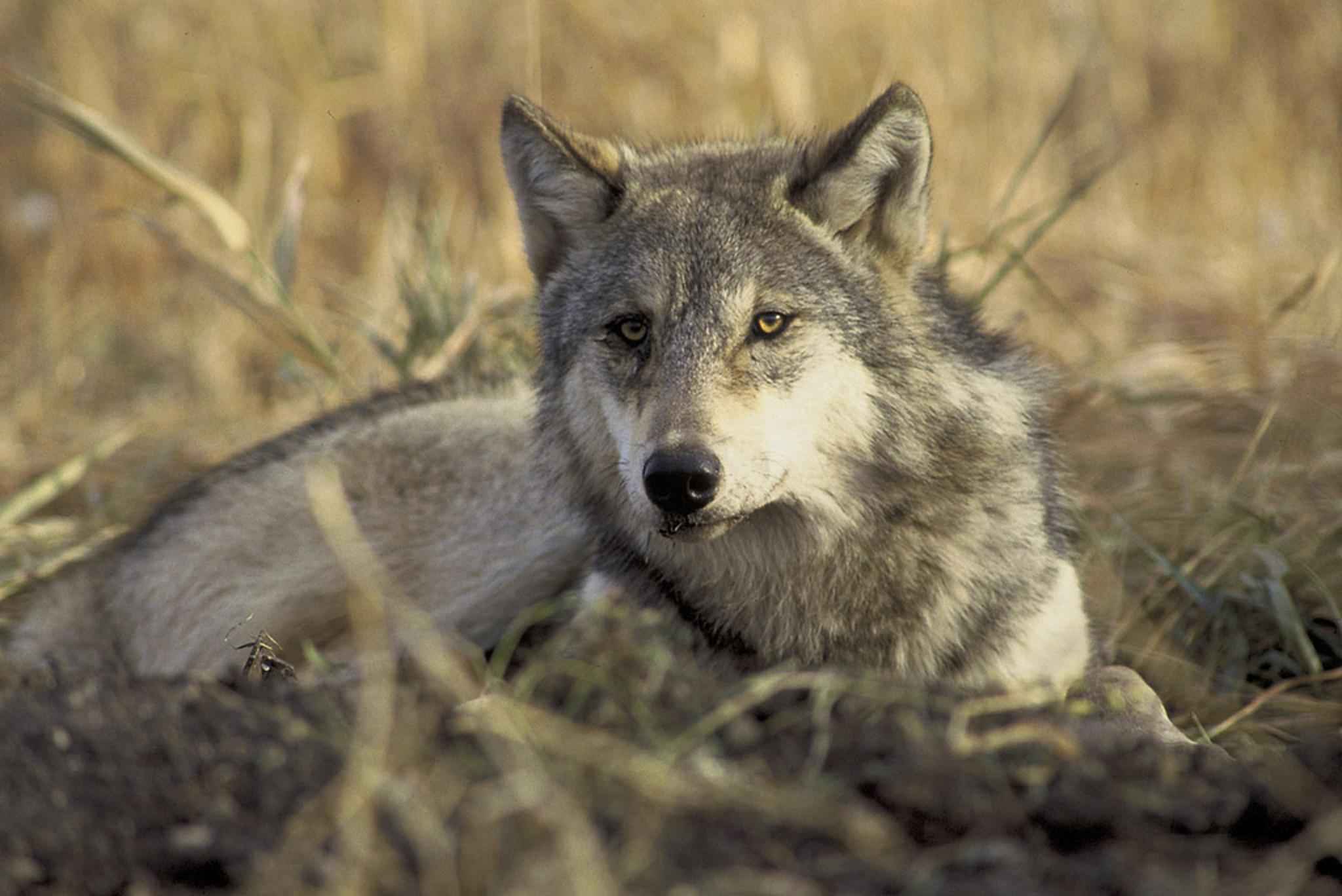
MADISON, Wis. (AP) — Chippewa tribal officials in Wisconsin, Minnesota and Michigan have blasted the Wisconsin Department of Natural Resources for putting on what they say was a poorly planned wolf season during which state-licensed hunters blew past their quota in a matter of days.
The Chippewa consider the wolf sacred. The lead story in the spring issue of Mazina'igan, the quarterly newsletter for the Great Lakes Indian Fish and Wildlife Commission, takes the DNR to task for allowing so much killing.
“After the DNR’s failure to maintain kill quotas and the poor application of scientific decision-making in wolf management, (Chippewa) tribes remain deeply concerned about ma’iingan’s future,” editor Charlie Otto Rasmussen wrote, using the Chippewa word for wolf.
The commission represents 11 Chippewa tribes across Wisconsin, Minnesota and Michigan that established hunting and fishing rights as part of treaties ceding territory to the U.S. government in the 1800s.
The administration of former President Donald Trump removed wolves from the endangered species list in January. The Wisconsin DNR had been planning to hold a wolf season in November as mandated by state law, but a hunter advocate group won a court decision forcing the agency to put together a season before the end of February.
State-licensed hunters killed 216 wolves in four days, nearly double their quota of 119 animals. The DNR estimated about 1,000 wolves roamed Wisconsin before the hunt.
John D. Johnson is chairman of the Great Lakes Indian Fish and Wildlife Commission's Voigt Intertribal Task Force, which advises the commission on natural resources policy. He told Mazina'igan that the hunt was poorly planned and that the Chippewa were never consulted as per treaty requirements.
The hunt was held during a time of year when female wolves are pregnant, putting an end to “entire future generations” of wolves, Johsnon said. He also lamented that hunters were allowed to use dogs.
He added that wolf pelts are in bad shape in the spring, which means the hunt was solely about killing.
“It's so disappointing, the hurried plan to kill ma'iingan,” Johnson said.
Tribal leaders expect a seat at the table as the DNR updates its wolf management plan this year.
DNR spokeswoman Sarah Hoye didn't immediately respond to a message seeking comment Monday.
Help us defend tribal sovereignty.
At Native News Online, our mission is rooted in telling the stories that strengthen sovereignty and uplift Indigenous voices — not just at year’s end, but every single day.
Because of your generosity last year, we were able to keep our reporters on the ground in tribal communities, at national gatherings and in the halls of Congress — covering the issues that matter most to Indian Country: sovereignty, culture, education, health and economic opportunity.
That support sustained us through a tough year in 2025. Now, as we look to the year ahead, we need your help right now to ensure warrior journalism remains strong — reporting that defends tribal sovereignty, amplifies Native truth, and holds power accountable.
 The stakes couldn't be higher. Your support keeps Native voices heard, Native stories told and Native sovereignty defended.
Stand with Warrior Journalism today.
Levi Rickert (Potawatomi), Editor & Publisher