



- Details
- By Growcer
Steps toward food sovereignty happen one at a time.
Sometimes leaving home allows you to come back with fresh eyes. That’s what happened for Rusty Creed Brown, an elected Tribal Council person for the Delaware Tribe of Indians and the Tribal Treasurer.
Brown moved to Alaska in 2011, and during the seven years he was working there, he saw how a changing climate impacted local food. “Their whale meat was starting to rot and go bad because of the melting of the tundra and their ice cellars. It became clear to me how important food security is,” Brown says.
When he returned to Oklahoma, he was elected to the Tribal Council and one of his first priorities was to create a food pantry.
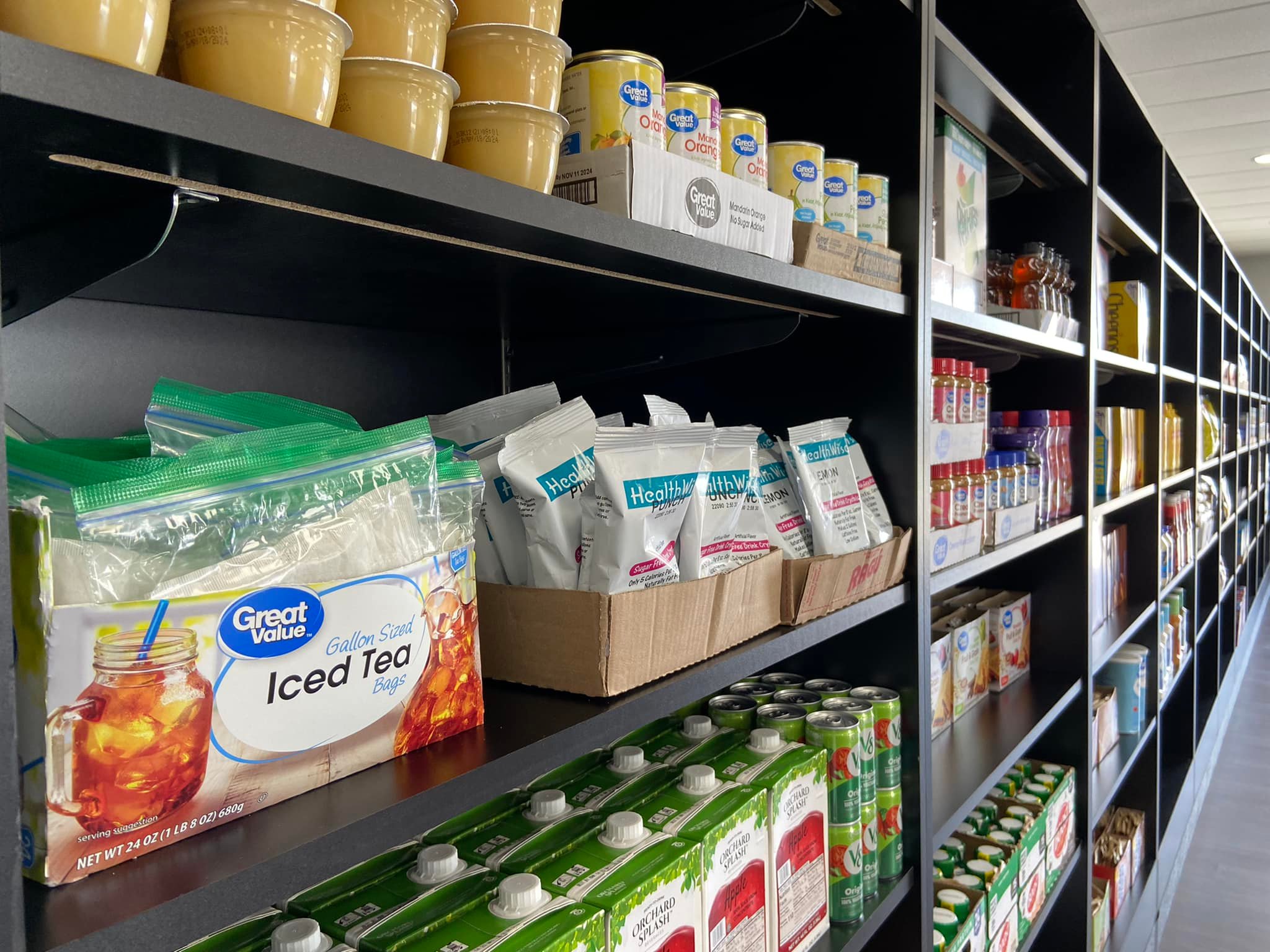 Photo courtesy of Rusty
The 5,000-sqft food pantry is tribally controlled and funded which allows it to serve 800 to 1,000 tribal members regularly and without income guidelines.
“You can’t tell by looks. You don’t know what people are dealing with behind a closed door. That’s why it was really important to make sure there was no income guideline to begin with,” Brown says. “If you’re hungry at the end of the day, just come get food.”
The choice is deliberate because federal funding comes with strings attached.
“I’m very careful and strategic about who we ask for funding and partner with because I don’t want them to set guidelines we don’t want for our community. I want to make sure that we continue to control the food pantry and control what comes in, what goes out, and who gets to participate in the program,” Brown explains.
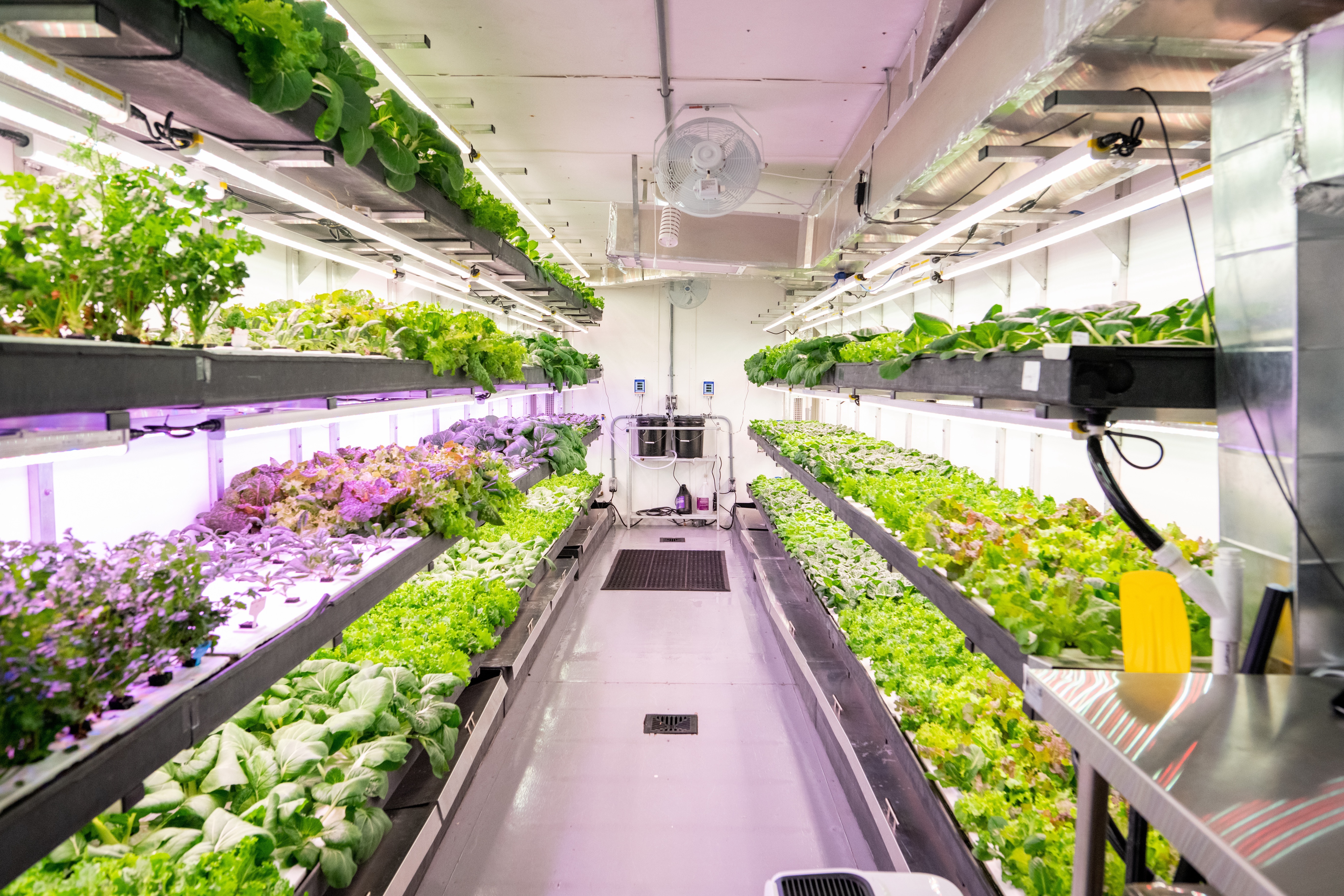
To expand the program, Delaware partnered with Growcer to add a modular vertical farm. The indoor farm can grow fresh produce year-round using less water and land than outdoor farming. Located near the pantry, it will supply members with freshly harvested lettuces, leafy greens like kale and spinach, and herbs like mint and basil to take home.
“All of it excites me. I’m very interested to see how it all works and watching plants grow and watching the food you produce get out to market or into the food pantry,” Brown says. The farm will help reduce their supply costs and increase the self-sufficiency of their pantry because the plan is to sell extra produce to nearby markets.
An orchard of apples, pears, pawpaw, and plums, and bushes of elderberries, blackberries, jujubes, and raspberries, were also planted near the pantry. While the trees are not bearing fruit yet, it is about planting seeds for the future.
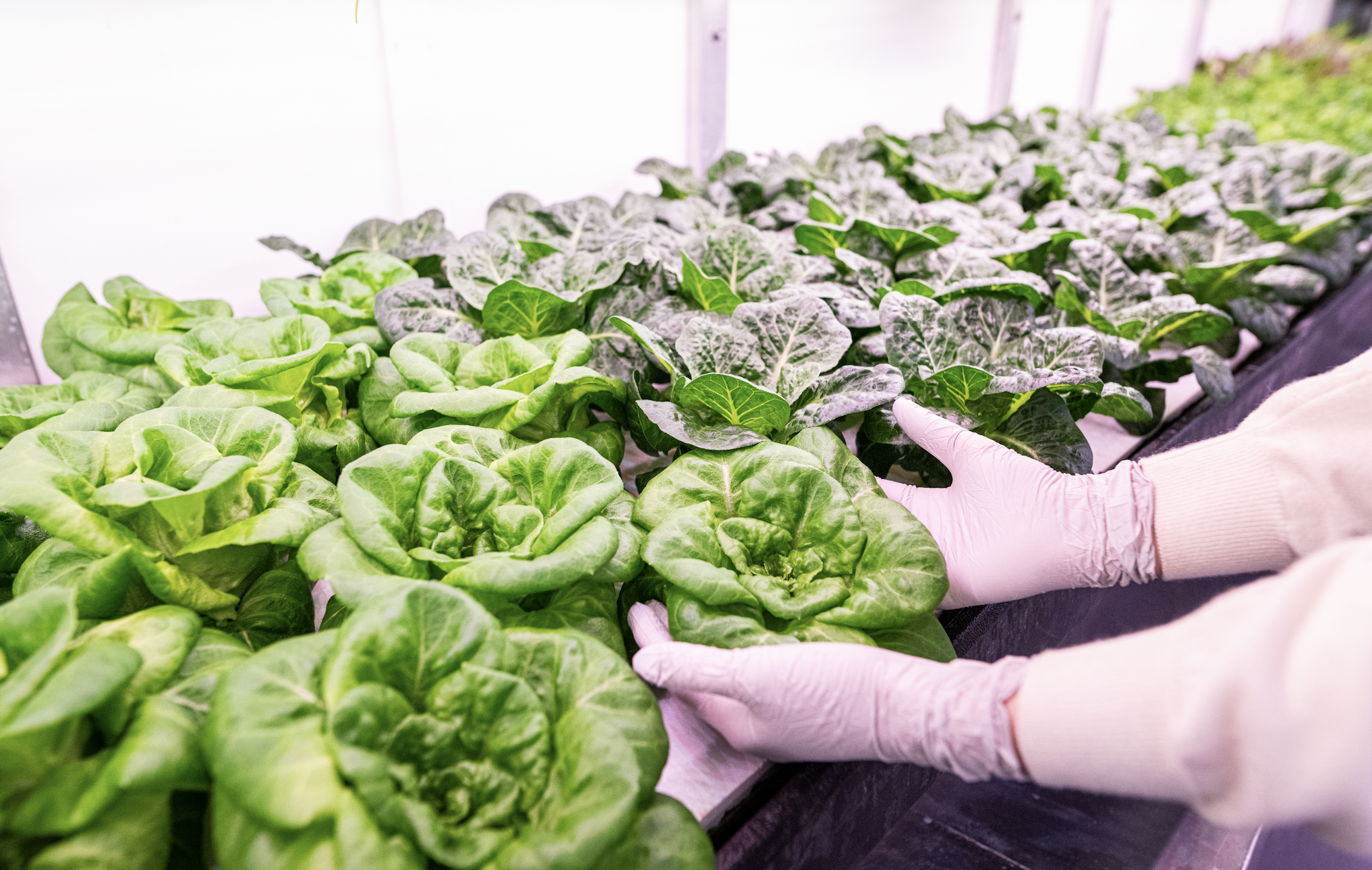 Courtesy of Growcer
“We live in a culture where people go to the local grocery store. They know what an apple looks like, what a plum looks like, what a head of lettuce looks like, and they know what to do with it,” Brown says. “In my opinion, we need to start with food people recognize and are going to eat, then we start introducing more of our culturally traditional food, the food our ancestors would have eaten: the squashes, the beans, the corn.”
He wants their food program to meet people where they are and build over time, over generations.
The Delaware Tribe also added a cattle ranch for beef and an Elder started a seed bank to preserve seed diversity for some traditional plants such as ancestral blue corn, gourds, and tobacco. Brown hopes to add education and apprenticeship opportunities so youth and community members can keep the knowledge around for a long time.
The Tribe also runs an Elder Nutrition Program where lunch is served at a subsidized cost ($5) or for free to Elders. Soon the salad bar can source fresh produce grown steps away in the Tribe’s indoor farm instead of trucking it long distances. “It’s also a great opportunity for the Elders to get out of their houses to socialize, to be in community, and eat together, talk together,” Brown says.
Each decision to add more food resiliency started small and grew over time. Brown says they are focused on serving the community but want to do more education. “We should tell the story better, but my goal has always just been to take care of the community and make sure the people that need food have food,” Brown says.
If you’re interested in learning more, stop by RES 2026 in Las Vegas from March 22 to 26. Growcer, the partner of food infrastructure featured in this story like modular farms and root cellars, is hosting an information session on March 23, at 10am in the Milano Ballroom VII-VIII.
Can’t attend in person? Please fill out this form to receive a copy of resources shared at the session and stay in touch via email instead.
Help us defend tribal sovereignty.
At Native News Online, our mission is rooted in telling the stories that strengthen sovereignty and uplift Indigenous voices — not just at year’s end, but every single day.
Because of your generosity last year, we were able to keep our reporters on the ground in tribal communities, at national gatherings and in the halls of Congress — covering the issues that matter most to Indian Country: sovereignty, culture, education, health and economic opportunity.
That support sustained us through a tough year in 2025. Now, as we look to the year ahead, we need your help right now to ensure warrior journalism remains strong — reporting that defends tribal sovereignty, amplifies Native truth, and holds power accountable.
 The stakes couldn't be higher. Your support keeps Native voices heard, Native stories told and Native sovereignty defended.
Stand with Warrior Journalism today.
Levi Rickert (Potawatomi), Editor & Publisher