



Kathleen DuVal, Ph.D. ’01, won the 2025 Pulitzer Prize in History for her book Native Nations: A Millennium in North America (Random House, 2024). Prize winners were announced on May 5.
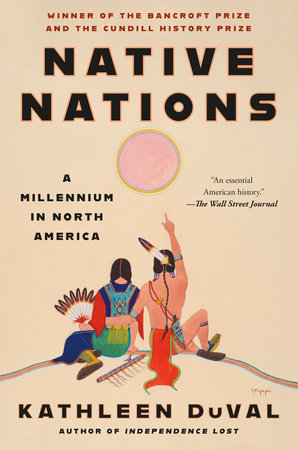
The announcement comes in addition to other prestigious awards DuVal has already received for the book, including the Bancroft Prize, the Cundill History Prize and the Mark Lynton History Prize.
[Editor's Note: This article was originally published by USDavis. Used with permission. All rights reserved.]

DuVal said the positive reception to the book was apparent immediately.
“I could tell that from the beginning, all the reviews that have come out have not only been positive, but they've really talked about the breadth of the book and the importance of the book, and that just felt really good,” said DuVal, a professor of history at University of North Carolina, Chapel Hill. “That's really what I wanted this book to be. This book has the biggest claims of any book I've ever written.”
Indeed, the Wall Street Journal called the book “an essential American history.” Publishers Weekly said it was prodigiously researched. Native Nations traces a thousand years of Native history, showing how tribes have adapted to challenges, including the arrival of Europeans, but also climate change and conflict.
Duval said her previous books and her teaching experience enabled her to paint such an expansive portrait.
“I couldn't have written this one first,” she said.
Her first book, The Native Ground: Indians and Colonists in the Heart of the Continent (University of Pennsylvania Press, 2006), was her dissertation at UC Davis. Originally from Arkansas, DuVal looked at colonization in that region. And then for Independence Lost: Lives on the Edge of the American Revolution (Random House, 2016), she examined that conflict through the eyes of the outsiders of colonial society, including Native Americans, slaves and women.
For Native Nations, she went through archives to research primary documents and oral histories. She also looked at how particular nations tell their own stories, in their own books and in their cultural centers and museums.
“One of the things that people said over and over is ‘we're still here. The most important thing you can say in this book is that Native nations are still around.’ So I really took that to heart.”
She added that she wanted to put the tragedies of Native histories in perspective.
“By putting those tragedies in a longer perspective, it makes it kind of even more amazing that Native nations survived. I don't try at all to minimize the tragedy, but I try to show the triumph over that tragedy. And I think that makes it even more of a heroic story than if we just talk about the tragedy.”
The Pulitzer Prizes honor outstanding achievement in journalism, arts and letters. Seth Rockman, Ph.D. ’99, was a finalist in the same category for his book, Plantation Goods: A Material History of American Slavery (University of Chicago, 2024). He is an associate professor of history at Brown University.
Next year, DuVal will take the year off from teaching and go to the National Humanities Center to focus on her next book, timed with the 250th anniversary of the American Revolution. “I'm writing a book about Yorktown in the American Revolution, looking at how different people experienced the war itself in a place where there was a huge amount of warfare right around people,” she said.
Help us defend tribal sovereignty.
At Native News Online, our mission is rooted in telling the stories that strengthen sovereignty and uplift Indigenous voices — not just at year’s end, but every single day.
Because of your generosity last year, we were able to keep our reporters on the ground in tribal communities, at national gatherings and in the halls of Congress — covering the issues that matter most to Indian Country: sovereignty, culture, education, health and economic opportunity.
That support sustained us through a tough year in 2025. Now, as we look to the year ahead, we need your help right now to ensure warrior journalism remains strong — reporting that defends tribal sovereignty, amplifies Native truth, and holds power accountable.
 The stakes couldn't be higher. Your support keeps Native voices heard, Native stories told and Native sovereignty defended.
Stand with Warrior Journalism today.
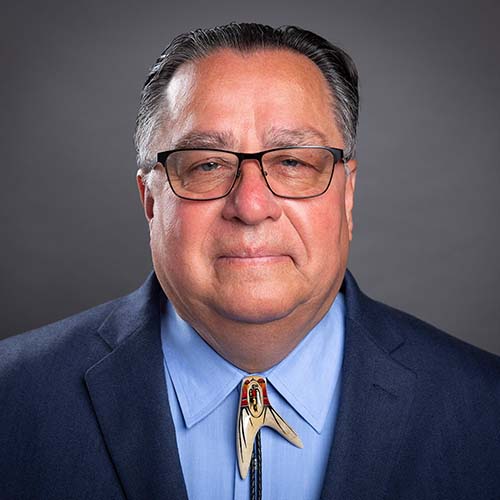
Levi Rickert (Potawatomi), Editor & Publisher