

fbpx
facebook app symbol  twitter  linkedin  instagram 1
 
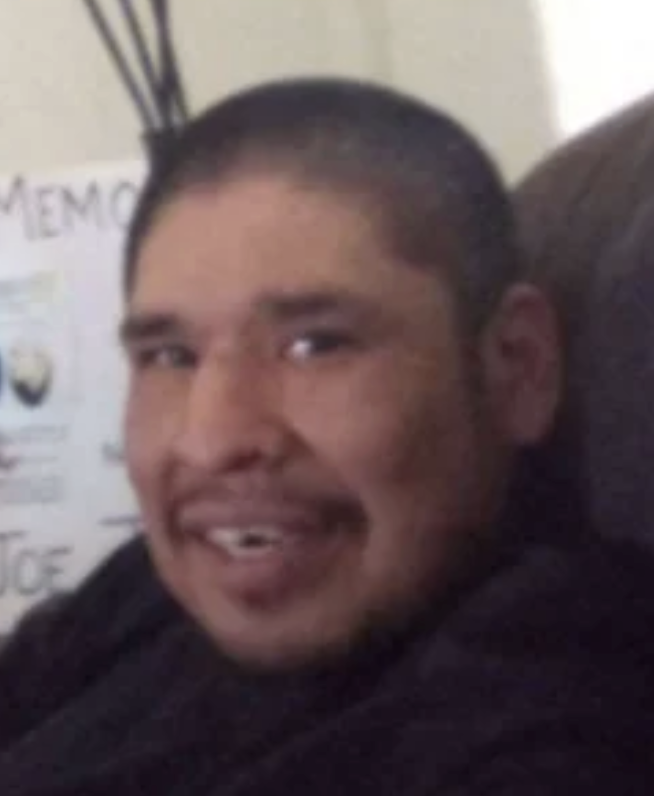
The partial remains of a John Doe discovered in Feb. 2024 have been identified as Glenn Thomas Tate, Jr., an enrolled member of the Gila River Indian Community and the White Mountain Apache Tribe.
Tate had been missing since 2020. He was 35 years old.
 
The partial remains of an unidentified male were found last winter in a desert area in Sacaton, Ariz., the capital of the Gila River Reservation. The Gila River Police Department and the Pinal County Medical Examiner's Office responded, began investigating, and collected evidence, according to a press release.
 
Despite investigative efforts, the man could not be identified and became known as Sacaton John Doe.
 

Screenshot 2025 11 28 102949


One year later, in February 2025, the U.S. Bureau of Indian Affairs launched Operation Spirit Return, an initiative to identify remains found in Indian Country or nearby communities. The agency partnered with Othram, a Texas company specializing in forensic genealogy.
 
The BIA Missing and Murdered Unit and the Pinal County Medical Examiner's Office submitted the remains to the company in December 2024. The resulting DNA profile led investigators to a lead that positively identified the man as Tate.
 
The resulting DNA profile brought investigators a lead that positively IDed the man as Tate. Othram's technology has been used to positively identify remains in 14 other cases in Arizona, according to its website.
 
Tate was last seen on July 22, 2020. At the time, he was seeking treatment from a medical facility on the Gila River Indian Reservation, according to the FBI.
The Pinal County Medical Examiner’s Office lists Tate’s cause of death as “undetermined.”
 

More Stories Like This

Native News Weekly (August 25, 2024): D.C. Briefs
US Presidents in Their Own Words Concerning American Indians
Association on American Indian Affairs Opens Registration for 11th Annual Repatriation Conference
Alaskan Native, Former Rep. Mary Peltola Enters US Senate Race

Help us defend tribal sovereignty. 

At Native News Online, our mission is rooted in telling the stories that strengthen sovereignty and uplift Indigenous voices — not just at year’s end, but every single day.

Because of your generosity last year, we were able to keep our reporters on the ground in tribal communities, at national gatherings and in the halls of Congress — covering the issues that matter most to Indian Country: sovereignty, culture, education, health and economic opportunity.

That support sustained us through a tough year in 2025. Now, as we look to the year ahead, we need your help right now to ensure warrior journalism remains strong — reporting that defends tribal sovereignty, amplifies Native truth, and holds power accountable.
Levi headshotThe stakes couldn't be higher. Your support keeps Native voices heard, Native stories told and Native sovereignty defended.

Stand with Warrior Journalism today.

Levi Rickert (Potawatomi), Editor & Publisher

 
About The Author
Elyse Wild
Author: Elyse WildEmail: This email address is being protected from spambots. You need JavaScript enabled to view it.
Senior Health Editor
Elyse Wild is Senior Health Editor for Native News Online, where she leads coverage of health equity issues including mental health, environmental health, maternal mortality, and the overdose crisis in Indian Country. Her award-winning journalism has appeared in The Guardian, McClatchy newspapers, and NPR affiliates. In 2024, she received the inaugural Excellence in Recovery Journalism Award for her solutions-focused reporting on addiction and recovery in Native communities. She is currently working on a Pulitzer Center-funded series exploring cultural approaches to addiction treatment.