- Details
- By Levi Rickert
A new analysis released Monday identifies billions of dollars in untapped investment opportunities in Arizona’s rural and tribal communities, highlighting sectors where targeted spending could strengthen local economies and support long-term growth.
The report, produced by Local First Arizona in partnership with Arizona-based economic analytics firm aLocal.ai, analyzes economic, financial, infrastructure and demographic data to identify areas where investment could diversify economic activity across the state. The findings point to opportunities in cultural and outdoor recreation tourism, regional food and agriculture systems, broadband-enabled businesses and small-scale manufacturing.
The analysis uses aLocal.ai’s artificial intelligence-driven economic modeling platform to generate what the organizations described as a statistically significant snapshot of regional economies.
“Rural and tribal communities are often viewed through broad statewide metrics, but this data shows a much more detailed picture of what’s possible,” said Kimber Lanning, founder and CEO of Local First Arizona. “These regions have clear areas of strength that can support meaningful investment and long-term economic stability.”
According to the report, Arizona’s rural communities represent more than $57 billion in untapped economic potential, with Native Nations accounting for roughly one-third of that total. The estimates reflect unmet local demand for goods and services that could be supplied locally with sufficient investment, partnerships and supportive public policy, the report said.
The analysis notes that realizing those opportunities would take 10 to 20 years and require innovation, new in-state and out-of-state investment, and strategies that more deliberately shift growth toward rural areas.
The report also identifies significant “economic leakage,” in which money flows out of communities because local supply does not meet local demand. Leakage was most pronounced in professional, scientific and technical services; wholesale and retail trade; health care and social assistance; and real estate.
“Rural communities have such a great opportunity because they can work on things that are small that make a huge difference,” Eric Trevan (Gun Lake Tribe), founder of aLocal. “They don’t need to recruit a data center or solar farm. They can look at something as simple as where people are buying shoes, and whether those dollars are leaving the community.”
For tribal governments, the report emphasizes data-informed economic planning that aligns with sovereignty, culture and long-term goals.
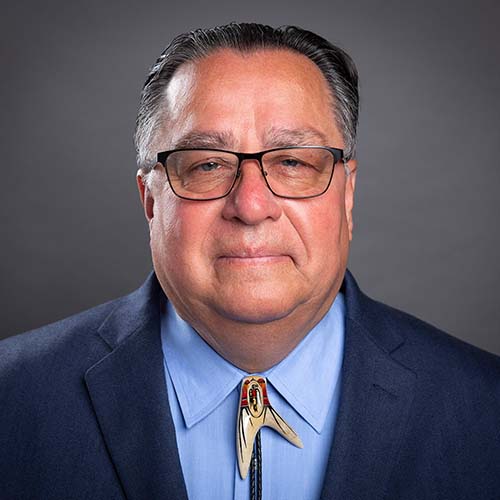
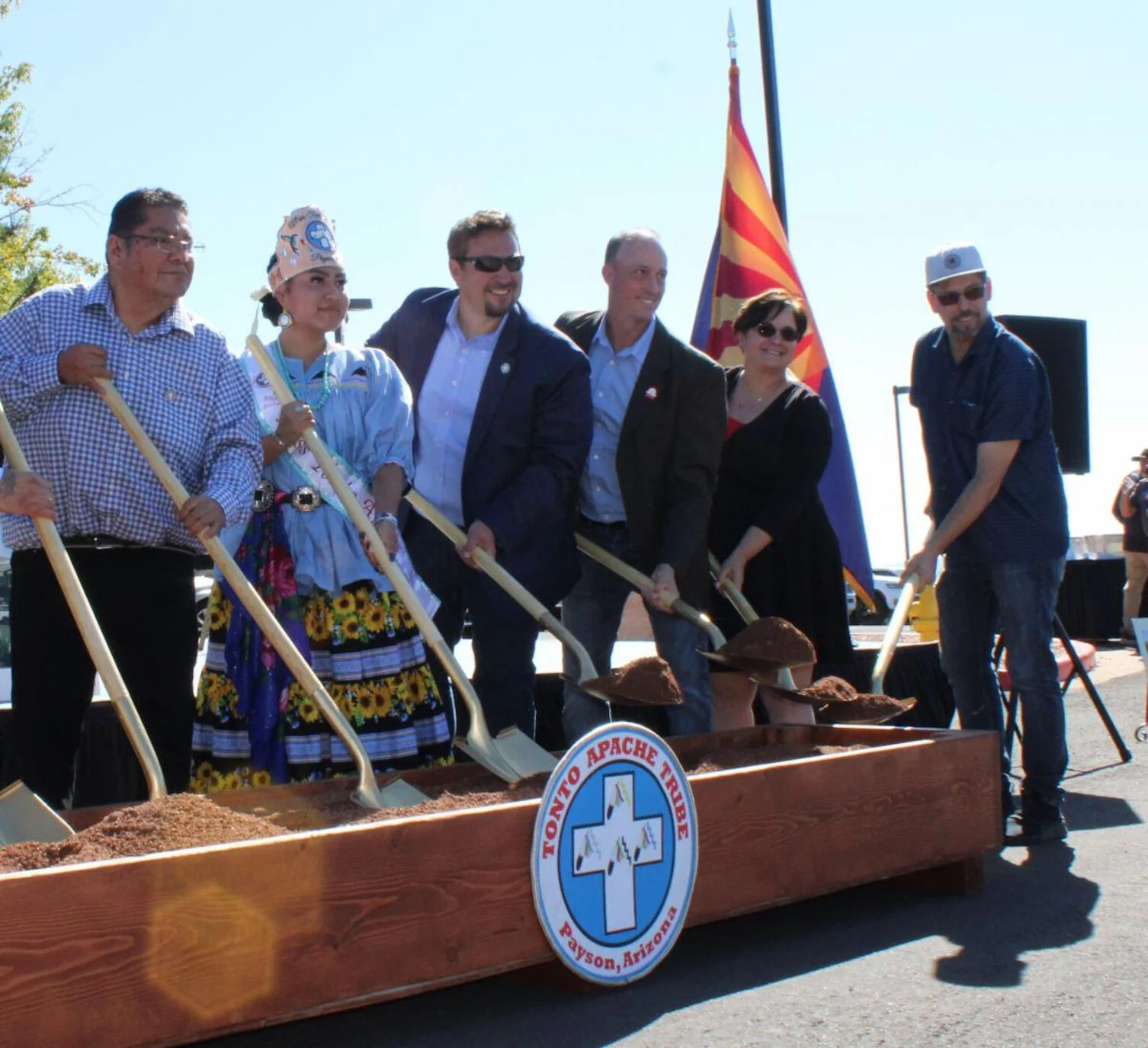
“Understanding where opportunities exist helps ensure our decisions reflect our values and support the future we want for our community,” said Tonto Apache Chairman Calvin Johnson. “Having reliable data helps tribes and potential partners identify where investment can be mutually beneficial.”
The report also concludes that investment in rural and tribal communities produces statewide economic benefits. According to the analysis, every dollar invested in those regions generates an estimated $1.70 in economic output, and the identified opportunities represent the potential for 5.2 million new jobs.
The findings argue that rural Arizona is not only underserved but undervalued, and call for long-term, place-based investment and collaboration among public, private, rural and tribal stakeholders to close service gaps and promote more equitable growth across the state.
More Stories Like This
Native News Weekly (August 25, 2024): D.C. BriefsUS Presidents in Their Own Words Concerning American Indians
Navajo Nation Council Opens 2026 Winter Session With Recognitions and Public Awareness Events
Trump Officials Ordered Removal of History, Science Signs at National Parks, Report Says
Help us defend tribal sovereignty.
At Native News Online, our mission is rooted in telling the stories that strengthen sovereignty and uplift Indigenous voices — not just at year’s end, but every single day.
Because of your generosity last year, we were able to keep our reporters on the ground in tribal communities, at national gatherings and in the halls of Congress — covering the issues that matter most to Indian Country: sovereignty, culture, education, health and economic opportunity.
That support sustained us through a tough year in 2025. Now, as we look to the year ahead, we need your help right now to ensure warrior journalism remains strong — reporting that defends tribal sovereignty, amplifies Native truth, and holds power accountable.
 The stakes couldn't be higher. Your support keeps Native voices heard, Native stories told and Native sovereignty defended.
Stand with Warrior Journalism today.
Levi Rickert (Potawatomi), Editor & Publisher