The nation’s first cold case unit dedicated to homicide and missing persons cases involving Native American victims has secured its first conviction after a woman pleaded guilty to the 2016 murder of Indigenous artist George David.
Washington State launched the Missing and Murdered Indigenous Women and People (MMIWP)Cold Case Unit in 2023 in response to recommendations by the state’s MMIWP Task Force.
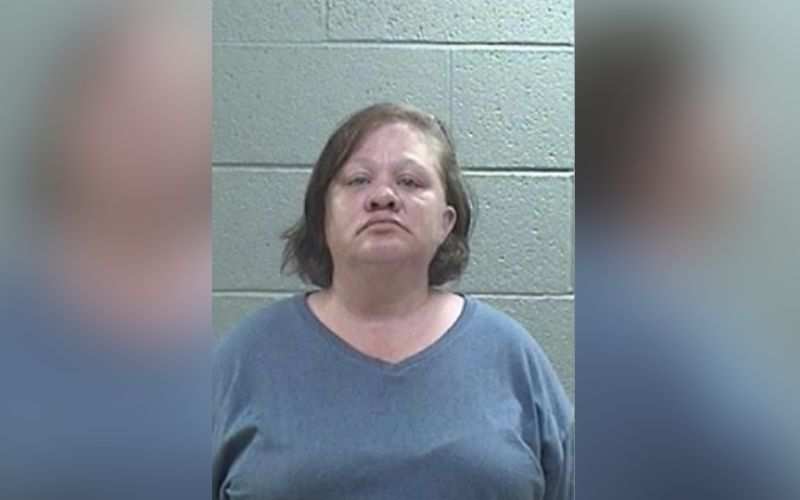
A judge in Clallam County Superior Court sentenced Tina Marie Alcorn to more than 13 years in prison on Monday, Dec. 15. Alcorn pleaded guilty to Murder 2nd degree with a deadly weapon enhancement.
David was a member of the Tla-o-qui-aht First Nation of Vancouver Island, B.C., and lived in Neah Bayon the Makah Reservation in Washington. A renowned master woodcarver, his works are shown across the globe, from the royal collections of Norway to the city hall of Kobe, Japan.
David carved two 36-foot canoes for Chief Sealth’s gravesite in Suquamish.
David was found deceased on March 28, 2016, in a friend’s Port Angeles apartment. He had travelled from Neah Bay just days earlier, intending to visit family in British Columbia and attend a funeral. He was 65.
David’s murder was initially investigated by the Port Angeles Police Department in 2016. Alcorn was the primary suspect; however, there wasn’t enough evidence to charge her, according to a press release from the Washington State Attorney General.
In 2024, Port Angeles police requested the assistance of the newly established MMIWP Cold Case Unit to solve this case. The cold case team supported the department in conducting an additional investigation into evidence collected in 2016, including additional DNA analysis performed by the Washington State Patrol Crime Lab.
This investigation provided the evidence needed to arrest Alcorn in June 2025. The Attorney General’s Office charged Alcorn, who pleaded guilty to second-degree murder along with a special sentencing enhancement for being armed with a deadly weapon during the crime.
David’s daughter, Maria David, issued a statement upon the conviction.
“My dad was a master carver,” she said.“There are two half-finished puppets my dad was carving that were to be used as a means of Indian Storytelling. But that never got to happen. I just have half-finished carvings that never got to become puppets and tell their stories. Indian artwork is a way for us to tell our stories. And his stories can no longer be told, and we will never be able to see any of my dad’s artwork again. Silver engraving, masks, totem poles, rattles, prints. It’s all silent now. I am thankful to the Attorney General’s Office and the Cold Case Unit for their work.”
At Native News Online, our mission is rooted in telling the stories that strengthen sovereignty and uplift Indigenous voices — not just at year’s end, but every single day.
Because of your generosity last year, we were able to keep our reporters on the ground in tribal communities, at national gatherings and in the halls of Congress — covering the issues that matter most to Indian Country: sovereignty, culture, education, health and economic opportunity.
That support sustained us through a tough year in 2025. Now, as we look to the year ahead, we need your help right now to ensure warrior journalism remains strong — reporting that defends tribal sovereignty, amplifies Native truth, and holds power accountable.
The stakes couldn't be higher. Your support keeps Native voices heard, Native stories told and Native sovereignty defended.
Stand with Warrior Journalism today.
Levi Rickert (Potawatomi), Editor & Publisher
About The Author
Author: Elyse WildEmail:This email address is being protected from spambots. You need JavaScript enabled to view it.
Senior Health Editor
Elyse Wild is Senior Health Editor for Native News Online, where she leads coverage of health equity issues including mental health, environmental health, maternal mortality, and the overdose crisis in Indian Country. Her award-winning journalism has appeared in The Guardian, McClatchy newspapers, and NPR affiliates. In 2024, she received the inaugural Excellence in Recovery Journalism Award for her solutions-focused reporting on addiction and recovery in Native communities. She is currently working on a Pulitzer Center-funded series exploring cultural approaches to addiction treatment.



 The stakes couldn't be higher. Your support keeps Native voices heard, Native stories told and Native sovereignty defended.