- Details
- By Native News Online Staff
Happy Monday! Here are some of the articles you may have missed this past weekend:
NCAI Passes Two Emergency Resolutions on Immigration Enforcement Activities
“Tribal leaders have reported to NCAI that they have multiple reports from Tribal citizens who reside within these urban centers of being temporarily detained and questioned by federal immigration officers due to their perceived ethnicity while in an urban center subject to increased immigration enforcement activity,”
One of the resolutions specifically lists Los Angeles, Phoenix, Chicago and Minneapolis as four urban as locations where Native Americans have been impacted by federal immigration tactics. The resolution says the immigration efforts have left many American Indians within these urban centers vulnerable to increased interaction with federal immigration officers
Tribal citizens have also reported being temporarily detained by individuals identifying themselves as DHS and ICE officers who refused to accept a Tribally issued government photo identification. In some cases, individuals remained detained until they could produce additional non-Tribal government identification
Q&A: Jingle Dress Dancer Answered Call to Ceremony in Face of ICE Violence
Earlier this month, an intersection in south Minneapolis was filled with the rhythmic sound of jingle dresses. Bright garments adorned with thousands of pieces of curled tin sang when knocked against each other, to the movement of the Ojibwe women who danced in ceremony to honor the lives of Renee Good and Alex Perretti, two U.S. citizens killed in the city by militant agents of the U.S. Immigration and Customs Enforcement (ICE) in January.
The ceremony is emblematic of the Native American community’s response to the violent federal immigration campaign that has brought widespread fear, turmoil, and grief since the ICE descended on the Twin Cities and remains even with a drawback of federal police operations in Minnesota. Among the dancers was Tracey Strong Dagen (Bois Forte). Dagen talked to Native News Online about growing up in a family of jingle dress dan
Cherokee Nation: Telling the Full Story During Black History Month
Each February, we pause to honor the achievements and enduring contributions of Black Americans. At the Cherokee Nation, Black History Month also calls to examine our own history honestly and to commit ourselves to telling the full truth about who we are. We have a responsibility of telling the full story of our past, including our Nation’s participation in the enslavement of Black people and the enduring experience of Cherokee Freedmen.
This week, we published the findings of the Task Force to Examine the Impact of Enslavement on Cherokee Nation’s 19th Century Economy and Infrastructure. The report presents clear and sobering historical facts. It is not simply an academic exercise, but rather an act of moral responsibility.
Prior to removal, about 6.74% of Cherokee households — largely mixed-blood families with ties to white ancestors — comprised an enslaver class. Prominent Cherokees were among them, including 11 of the 12 signers of the 1827 Cherokee Constitution. By 1835, Cherokees owned nearly 1,600 enslaved people. Enslaved people operated plantations, built roads and public buildings, and were pivotal to rebuilding the Cherokee Nation following the 1838–1839 forced removal.
More Stories Like This
Native News Weekly (August 25, 2024): D.C. BriefsShowing Up When It Matters: Flanagan’s Response to Minnesota’s Immigration Crisis
Native American Students Lead Protest Against ICE Presence at Haskell Indian Nations University
Native News Weekly (February 22, 2026): D.C. Briefs
Help us defend tribal sovereignty.
At Native News Online, our mission is rooted in telling the stories that strengthen sovereignty and uplift Indigenous voices — not just at year’s end, but every single day.
Because of your generosity last year, we were able to keep our reporters on the ground in tribal communities, at national gatherings and in the halls of Congress — covering the issues that matter most to Indian Country: sovereignty, culture, education, health and economic opportunity.
That support sustained us through a tough year in 2025. Now, as we look to the year ahead, we need your help right now to ensure warrior journalism remains strong — reporting that defends tribal sovereignty, amplifies Native truth, and holds power accountable.
 The stakes couldn't be higher. Your support keeps Native voices heard, Native stories told and Native sovereignty defended.
Stand with Warrior Journalism today.
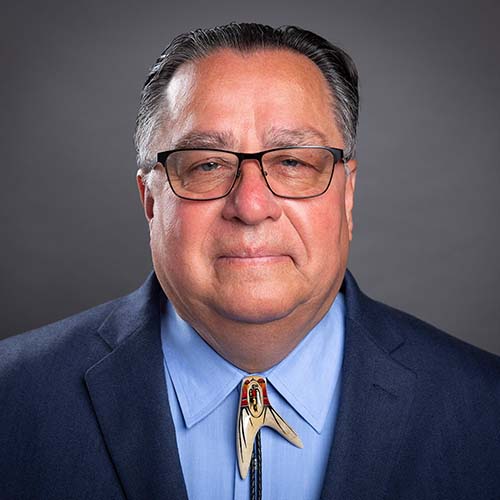
Levi Rickert (Potawatomi), Editor & Publisher