- Details
- By Kaili Berg
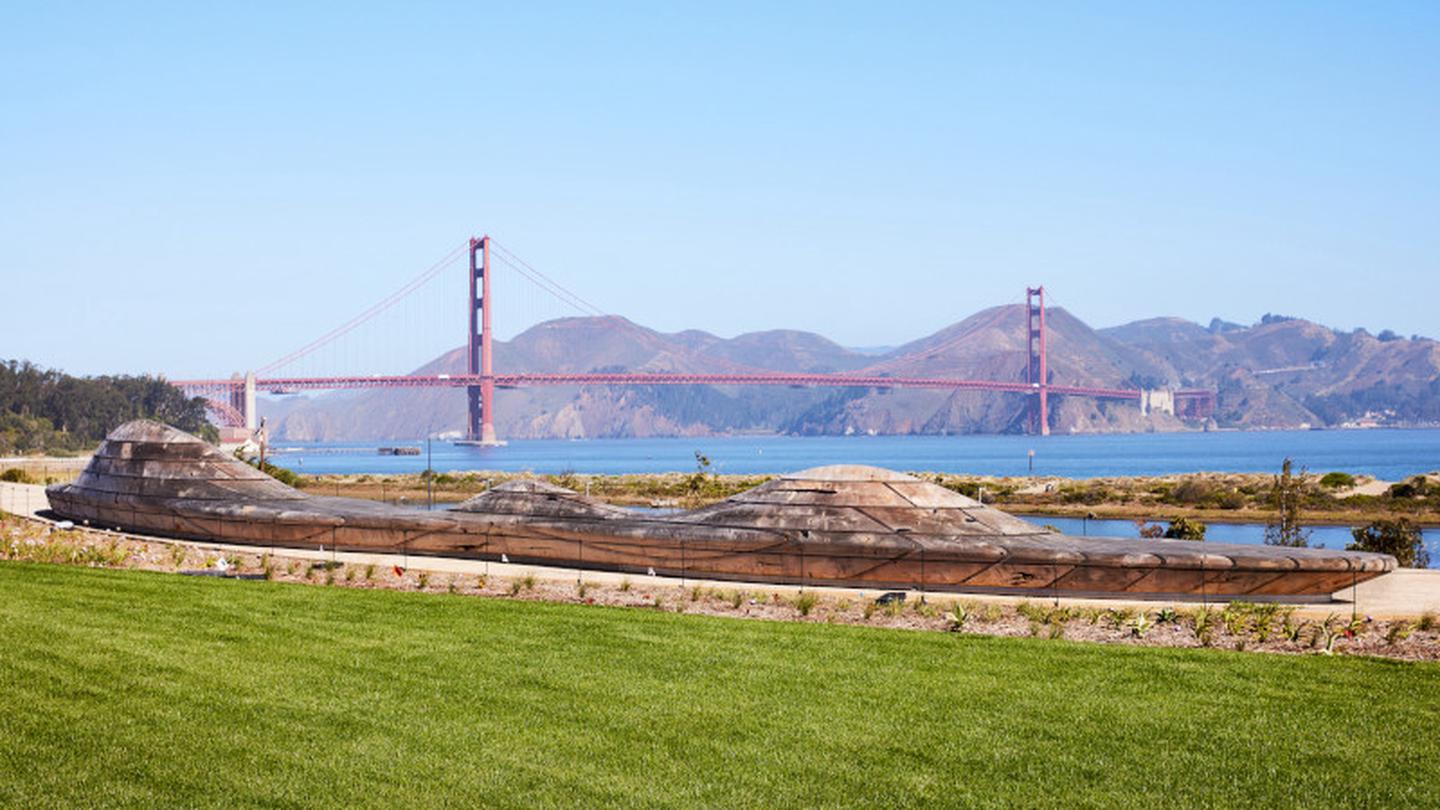
The Muwekma Ohlone Tribe of the San Francisco Bay Area is making a formal request to assume stewardship of the federally-run Presidio, a former military base turned 1,500 acre park.
The move, supported by a public petition co-hosted with the Lakota People’s Law Project, comes in response to a recent executive order by former President Donald Trump to dissolve the Presidio Trust, the agency currently overseeing the site.
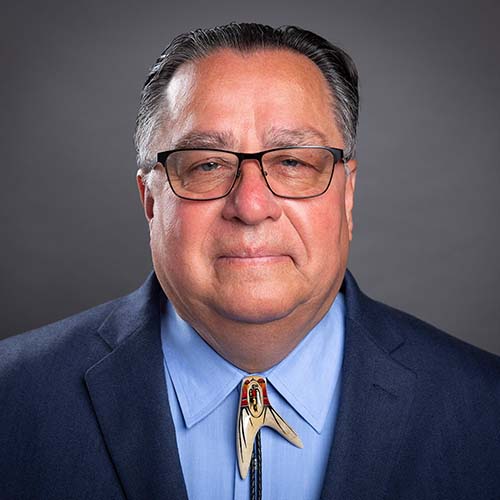
Tribal Chairwoman Charlene Nijmeh argues that returning the land to the Muwekma Ohlone, non-federally recognized tribe, would cut government spending, restore Indigenous stewardship to ancestral lands, and begin to address a long history of erasure and exclusion.
“This is an opportunity for President Trump to do what the state of California has failed to do,” Nijmeh said. “Not only will returning the Presidio to Indigenous care be the right thing for our people and for the land, but it will also save the federal government — and taxpayers — money.”
The tribe has a long and complicated history with the Presidio. The land was once home to Ohlone ancestors long before it became a Spanish fort, a U.S. military base, or a federal park.
In 1992, when the site was decommissioned as a military installation, the tribe submitted a Right of First Refusal. Their proposal was dismissed, and according to Nijmeh, actively opposed by powerful local politicians, including late U.S. Sen. Dianne Feinstein and Speaker Emerita Nancy Pelosi, both longtime residents of the area.
“I don’t want an Indian tribe in my city,” Feinstein told the former tribal chairwoman at the time, according to Nijmeh tribal sources. A statement that Nijmeh says still offends tribal officials today.
Nijmeh says that despite grassroots support and formal resolutions from four county Democratic committees backing the tribe’s fight for federal recognition, key political figures have remained opposed.
The Muwekma Ohlone have been working for over four decades to reaffirm their federal status, which would restore certain legal rights and funding streams. For now, the tribe sees this moment as a rare opening to address old injustices.
“With the Presidio Trust on the chopping block, we’re offering a viable alternative — one that’s cost-effective, culturally rooted, and environmentally sound,” Nijmeh said.
Today, the park has some 7.5 million visitors annually.
More Stories Like This
Native News Weekly (August 25, 2024): D.C. BriefsNative Bidaské: The Illusion of Freedom and the Myth of America 250, Leonard Peltier Speaks Out
Monday Morning (March 2, 2026): Articles You May Have Missed This Past Weekend
Native News Weekly (March 1, 2026): D.C. Briefs
Scope Narrowed, Report Withheld: Questions Mount Over Michigan Boarding School Study
Help us defend tribal sovereignty.
At Native News Online, our mission is rooted in telling the stories that strengthen sovereignty and uplift Indigenous voices — not just at year’s end, but every single day.
Because of your generosity last year, we were able to keep our reporters on the ground in tribal communities, at national gatherings and in the halls of Congress — covering the issues that matter most to Indian Country: sovereignty, culture, education, health and economic opportunity.
That support sustained us through a tough year in 2025. Now, as we look to the year ahead, we need your help right now to ensure warrior journalism remains strong — reporting that defends tribal sovereignty, amplifies Native truth, and holds power accountable.
 The stakes couldn't be higher. Your support keeps Native voices heard, Native stories told and Native sovereignty defended.
Stand with Warrior Journalism today.
Levi Rickert (Potawatomi), Editor & Publisher