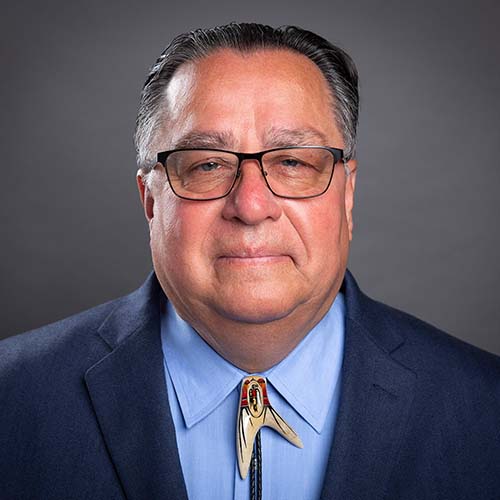
Assemblymember James C. Ramos, D-San Bernardino, has introduced three bills aimed at expanding resources for foster youth, improving data collection for Native American students and preventing opioid overdoses on school campuses.
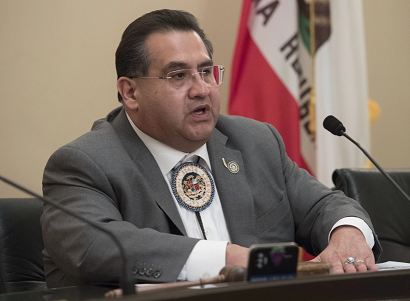
The measures focus on youth services and prevention strategies in California schools and child welfare systems.
“The measures introduced today highlight efforts to prevent opioid overdoses on school campuses, aid in ensuring foster youth needs are met, and improving the identification and counting of Native American students in schools. Undercounting results in fewer resources for children and the schools and programs that serve them,” Ramos said.
AB 1579 would expand the types of residential programs allowed under the Children’s Crisis Continuum Pilot Program to better address the complex needs of foster youth. Currently, only Children’s Crisis Residential Programs are permitted under the pilot. The bill would add Psychiatric Residential Treatment Facilities, Crisis Stabilization Unit/Psychiatric Health Facility combinations, and other California Department of Social Services-approved residential crisis models. The proposal is intended to preserve safety and oversight standards while giving counties more flexibility to build sustainable, accessible crisis care options statewide. The bill is sponsored by Just Advocates and the California Alliance of Child and Family Services.
AB 1581 targets what Ramos describes as a severe undercount of Indigenous students in California schools. According to the American Institutes for Research, as many as 70% of Indigenous students are not represented in data reporting or analysis in the United States. Inaccurate counts can lead to misallocation of resources and gaps in culturally responsive programs. The bill would require the California Department of Education to record the tribal identification of each new student enrolling in a district to improve the accuracy of statewide data on Native American students.
AB 1586, the School Safety and Opioid Overdose Prevention Act, would require school resource officers to carry naloxone, a medication used to reverse opioid overdoses, and to complete training that includes learning how to identify an overdose. The measure is intended to ensure officers are equipped to respond to overdoses on K-12 campuses. The bill is sponsored by the California Association of Alcohol and Drug Program Executives.
More Stories Like This
Native News Weekly (August 25, 2024): D.C. BriefsNative News Weekly (March 1, 2026): D.C. Briefs
Scope Narrowed, Report Withheld: Questions Mount Over Michigan Boarding School Study
Zuni Youth Enrichment Project Announces Family Engagement Night and Spring Break Youth Programming
Next on Native Bidaské: Leonard Peltier Reflects on His First Year After Prison
Help us defend tribal sovereignty.
At Native News Online, our mission is rooted in telling the stories that strengthen sovereignty and uplift Indigenous voices — not just at year’s end, but every single day.
Because of your generosity last year, we were able to keep our reporters on the ground in tribal communities, at national gatherings and in the halls of Congress — covering the issues that matter most to Indian Country: sovereignty, culture, education, health and economic opportunity.
That support sustained us through a tough year in 2025. Now, as we look to the year ahead, we need your help right now to ensure warrior journalism remains strong — reporting that defends tribal sovereignty, amplifies Native truth, and holds power accountable.
 The stakes couldn't be higher. Your support keeps Native voices heard, Native stories told and Native sovereignty defended.
Stand with Warrior Journalism today.
Levi Rickert (Potawatomi), Editor & Publisher