- Details
- By Native News Online Staff
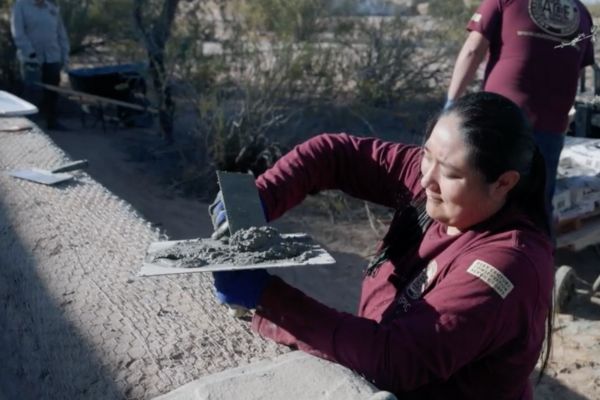
Created by Interior Secretary Deb Haaland (Laguna Pueblo), the program was designed to provide Indigenous youth with meaningful, Tribally-led public service opportunities to support the conservation and protection of natural and cultural resources.
“I launched the Indian Youth Service Corps to help empower the next generation of Native leaders as they engage in the co-stewardship of public lands and the application of Indigenous Knowledge," Haaland said in a statement. "The Corps will help these young people strengthen their connection to the lands and waters that their ancestors have cared for since time immemorial.”
The grants are designed to help develop Tribal capacity in conservation, natural resource management, and climate resilience. They also provide Tribes and Tribal organizations with financial resources that enable them to invest in, train and recruit a new generation of skilled Indigenous workers.
The 2023 Indian Youth Service Corps grants were awarded to:
- Wood for Life (New Mexico, Arizona, Utah, Colorado) - $1 million awarded to expand the Ancestral Lands Conservation Corps’ Wood for Life Program, engaging Native youth from the Navajo Nation, Hopi Tribe, Pueblo of Acoma, Pueblo of Zuni, and Pueblo of Isleta in reforestation efforts, wildland fire mitigation, and forestry, while also supporting local Tribal fuel and firewood needs. Additional program coordination support will be provided by the U.S. Forest Service.
- Ahtna Cultural Heritage Youth Program (Alaska) - $560,000 awarded to the Ahtna Cultural Center, located within the Wrangell-St. Elias National Park and Preserve, to promote federal-Tribal co-stewardship and expand job opportunities for Ahtna Incorporated’s Native youth. Additional program coordination support will be provided by the U.S. National Park Service.
- Wabanaki Youth in Science Program (Maine) - $528,119 to fund a corps comprised of Native youth from the Wabanaki Nations (Mi’kmaq Nation, Houlton Band of Maliseet Indians, Passamaquoddy Tribe, Penobscot Nation) to promote the transfer of Indigenous Knowledge, expose Native youth to science, technology, engineering, and mathematics education and careers, and bolster federal-Tribal co-stewardship efforts.
- Traditional Farm Corps (New Mexico) - $480,223 to fund new Native youth corps in collaboration with the Ancestral Lands Conservation Corps, Pueblo of Acoma, Pueblo of Isleta, and Pueblo of Zuni. Youth will work to restore local Indigenous food systems through agriculture, seed saving, and intergenerational knowledge-sharing. The project will revitalize traditional food sovereignty and promote access to fresh, locally sourced foods for the communities served.
- Hopi Youth Service Corps Program (Arizona) - $300,000 to fund a Native Youth Corps comprised of Hopi Youth in collaboration with the Hopi Tribe and Ancestral Lands Conservation Corps to restore, protect and preserve the cultural landscape on the Hopi Reservation.
- 7Gen Service Corps (South Dakota) - $300,000 awarded to Siċaŋġu Co. to provide interdisciplinary and experiential learning internships for youth of the Rosebud Sioux Tribe. Opportunities will center on Indigenous land and natural resource management, bison restoration, regenerative agriculture, cultural resource management, language revitalization, Indigenous Knowledge, and community and workforce development.
- Connecting System Impacted Native Youth to Careers in Natural Resources (New Mexico) - $250,000 awarded to the Urban Native Barrio Corps (Ancestral Lands Conservation Corps and La Plazita Institute) to engage Native youth and young adults from the greater Albuquerque area to provide restorative justice programming and technical training in environmental conservation and natural resource management. Additional program coordination support will be provided by the U.S. Fish and Wildlife Service.
- Intergenerational Natural Resources Summer Youth Camp at Coronado National Forest (Arizona) - $48,400 to benefit Native youth from Tribal communities surrounding Coronado National Forest, including 12 federally recognized Tribes with ancestral ties to the forest (Ak-Chin Indian Community, Fort Sill Apache, Gila River Indian Community, Hopi Tribe, Mescalero Apache Tribe, Pascua Yaqui Tribe, Pueblo of Zuni, Salt River Maricopa Indian Community, San Carlos Apache Tribe, Tohono O’odham Nation, White Mountain Apache Tribe, Yavapai Apache Tribe). Additional program coordination support will be provided by the U.S. Forest Service.
More Stories Like This
American Education Has Failed Its First People, But Hope Is On The HorizonBipartisan Vote Keeps Institute of American Indian Arts Alive and Funded
New UNLV Executive Certificate Focuses on Tribal Governance, Economic Leadership
Bureau of Indian Education Graduation Rates Increase as Agency Reforms Fold into Interior and Labor Departments
Deb Haaland Announces Education Platform, Secures Teachers Union Backing
Help us defend tribal sovereignty.
At Native News Online, our mission is rooted in telling the stories that strengthen sovereignty and uplift Indigenous voices — not just at year’s end, but every single day.
Because of your generosity last year, we were able to keep our reporters on the ground in tribal communities, at national gatherings and in the halls of Congress — covering the issues that matter most to Indian Country: sovereignty, culture, education, health and economic opportunity.
That support sustained us through a tough year in 2025. Now, as we look to the year ahead, we need your help right now to ensure warrior journalism remains strong — reporting that defends tribal sovereignty, amplifies Native truth, and holds power accountable.
 The stakes couldn't be higher. Your support keeps Native voices heard, Native stories told and Native sovereignty defended.
Stand with Warrior Journalism today.
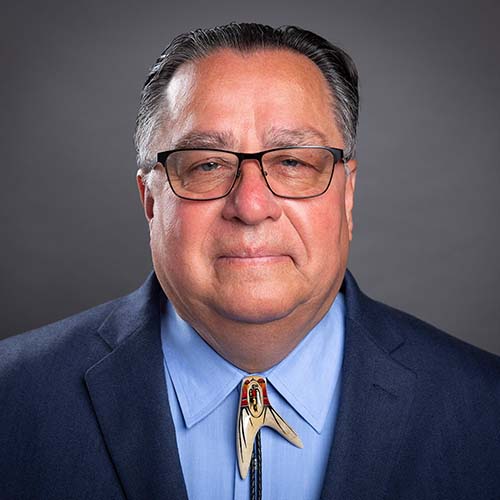
Levi Rickert (Potawatomi), Editor & Publisher