- Details
- By Native News Online Staff
WINDOW ROCK, Ariz. — In response to a confirmed case of coronavirus in Maricopa, Ariz., Navajo Nation officials are asking its citizens to be aware and take precautions of the spread of the potentially deadly virus.
The coronavirus originated in Wuhan, Hebei Province, China where at least 81 people have died. There have five confirmed in the United States, including the one in Maricopa.
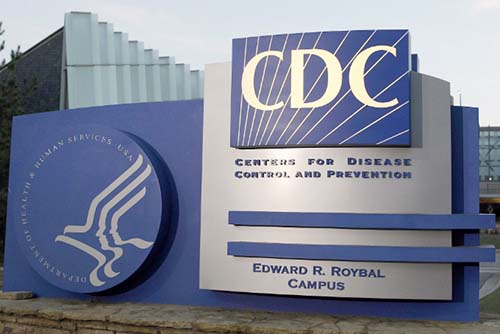
Symptoms of the virus may include mild to severe respiratory illness with fever, cough, and shortness of breath. The virus is known to spread from person-to-person. It can take up to 2 to 14 days for the virus to become active after exposure. Currently, there is no vaccine available for the virus, according to the Centers for Disease Control and Prevention.
“As we continue to closely monitor the coronavirus, we caution our Navajo people and encourage them to be aware of the growing spread of the virus,” Navajo President Jonathan Nez said in a statement. “This is a serious public health concern that must be shared with all people. We ask that you share information with you children, elders, and others who may not have access to information via Internet, television, and other means. It’s critical that everyone take precautions and continue to learn more about the coronavirus,”
Health officials warn that if you have traveled to Wuhan, China recently and have developed fever and shortness of breath symptoms within 14 days of your travel, stay home and contact your health provider right away or visit your local hospital. This also pertains if you have had contact with someone who is suspected to have the coronavirus.
The World Health Organization encourages people to avoid close contact with others showing symptoms of respiratory illness, such as coughing and sneezing and to wash your hands with warm water and soap often, stay home if you are sick, and to minimize long-distance travel. The coronavirus has the potential to become severe. Severe cases can also lead to pneumonia, kidney failure, and in some cases death. The most vulnerable are the elders, young children and those with compromised immune systems.
The Navajo Department of Health will continue to coordinate with county, state, and federal officials to monitor the evolving impacts of the coronavirus and continue to encourage the public to take precautions.
For updates, please visit the Centers for Disease Control and Prevention at https://www.cdc.gov/coronavirus/2019-ncov/index.html
More Stories Like This
Cherokee Nation Eyes $4 Million Transitional Housing ProgramIndian Health Service Reflects on 2025; Touts Facility Expansions, Workforce Development
Senate Committee on Indian Affairs to Host Hearng in Bills to Beneift Tribal Health Programs
Cherokee Nation Plans Reentry Housing Using Opioid Settlement Money
Bipartisan Bill Seeks to Address Health Disparities in Tribal Communities