- Details
- By Elyse Wild
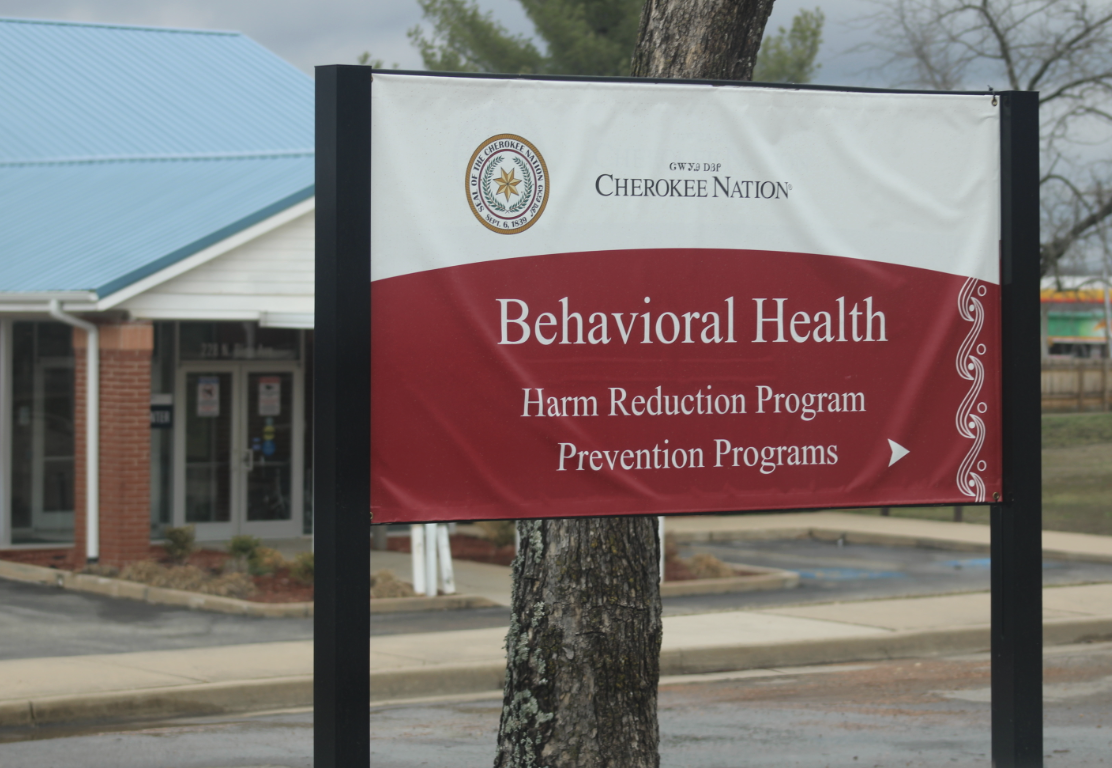
The Cherokee Nation is investing $23 million into addiction treatment centers, the tribe announced last week. The investment is part of tribal legislation that was passed on Jan. 14, aimed at shoring up resources for addiction care amid the ongoing opioid crisis.
While the opioid crisis has touched every community in the United States, Native communities remain the most affected and strapped for resources.
Data compiled in 2023 by Native News Online from the CDC, the Indian Health Service, the National Institute on Drug Abuse, and various state health departments showed Native Americans are 2.6 times more likely to die of an overdose than white Americans. With opioid deaths falling among the general population but remaining high for Native communities, that gap is likely now wider.
In 2017, the Cherokee Nation became the first tribe to file a lawsuit against opioid manufacturers and distributors for promoting the flow of prescription opioids into its community. The tribe alleged that in just one year, nearly 800kg of opioids were distributed within the reservation. The bellwether lawsuit was settled in 2021 for $75 million.
The $23 million will be invested in a new outpatient recovery center in Tahlequah and in the construction of an additional outpatient recovery center in Vinita, according to a press release.
In 2024, the Cherokee Nation broke ground on its first adult inpatient facility for substance use disorder. The $41 million facility is currently under construction southwest of Tahlequah.
The legislation designates the Tahlequah site as a campus with an additional $18 million outpatient facility to sit alongside the inpatient facility. The tribe expects to complete both projects by 2027.
“We promised to make the opioid industry pay for the harm it brought our citizens,” Deputy Chief Bryan Warner said in a press release. “Today, with the outpouring of support from our Council, we are making progress and using this new legislation to go further.”’
$5 million of the funds will go toward remodeling the site of a Veterans Administration health clinic in Vinita, Okla., into an outpatient center.
Chief Hoskin said in a press release that the expanded Tahlequah campus and new facility in Vinita are some of the many phases needed to fully address the challenge of substance use disorder across the Cherokee Nation Reservation.
“In the years ahead, we will need to operate not only top-notch inpatient and outpatient facilities, but also a network of residential transitional recovery centers,” Hoskin said. “Fortunately, we have the funding, capacity, and strategies in place to keep moving forward.”
The tribe previously launched millions of dollars in new addiction recovery demonstration programs and created a $5 million endowment to fund scholarships through the Cherokee Nation Foundation for Cherokees pursuing behavioral health degrees.
Last week, media outlets reported on billions of dollars slashed from federal grant funding for thousands of programs aimed at substance use and behavioral health needs across the country. Included in the cuts was $4 million in grants to the Cherokee Nation. Less than 24 hours later, the Department of Health and Human Services rescinded the cuts, restoring the grant funding.
“It’s well documented that the opioid industry preyed on Cherokee citizens, filling our market with opioids. As a result, the Cherokee Nation has invested millions into the construction of treatment facilities. We will not go backward or make cuts, and will do everything possible to fill this unwarranted gap,” Hoskin said in a statement.
The Cherokee Nation operates the most extensive health system in Indian Country, available to citizens of every federally recognized tribe, and provides over 3 million patient services per year.
More Stories Like This
HHS Takes a Lifesaving Step Forward for Newborns in Tribal CommunitiesOffice on Violence Against Women Government-to-Government Tribal Consultation Set for Jan. 21 - 23 at Mystic Lake
BREAKING: Feds Reverse $2B in Cuts to Addiction, Mental Health; Native Programs Restored
Trump Administration Cuts End Five Indigenous Health Programs at Johns Hopkins