



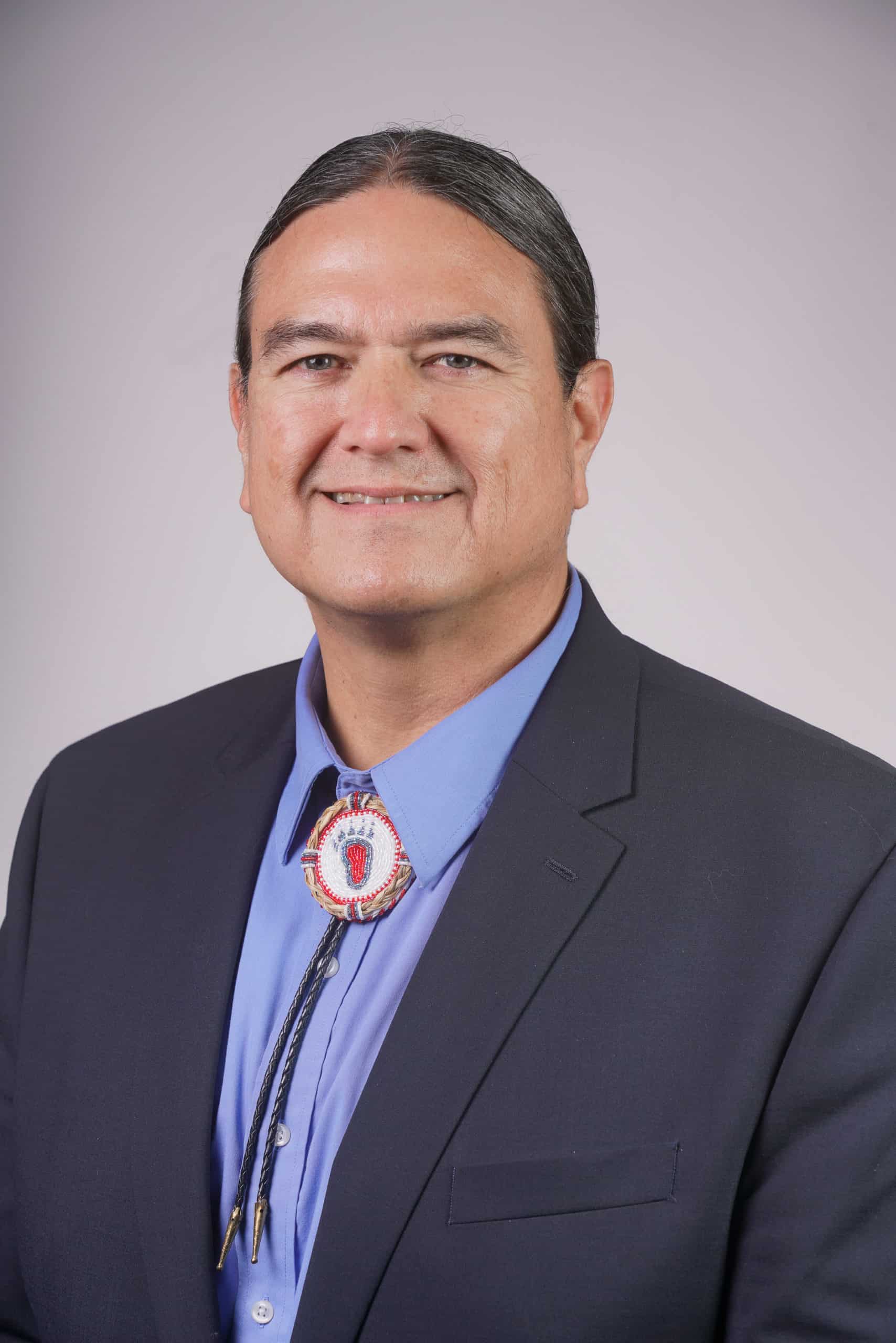
Guest Opinion. A proposed federal policy change could have profound health consequences — especially for Tribal and rural communities. The proposal from the U.S. Department of Education, which is open for public comment until March 2nd, would exclude public health and nursing from a new definition of “professional degree programs,” and could potentially affect eligibility for scholarships and financial aid.
As a physician, elected member of the National Academy of Medicine, public health leader, and Oglala Lakota community member from Pine Ridge, South Dakota, I am alarmed by what is at stake.
Public health is arguably one of the most impactful professions. The greatest gains in life expectancy over the past century are largely due to public health advances — clean water, vaccination, tobacco control, maternal and child health — not medical care alone. To redefine these degrees in a way that diminishes their professional standing ignores their historic and present-day impact.
Especially concerning is the how the “professional”
As is so often the case, the burden of this change would not fall evenly. Rural communities already suffer from too few trained public health and nursing professionals. This workforce
My Indigenous students often come to public health organically: they’ve
Workforce demographics are not symbolic — they directly affect quality of care. When health professionals share cultural understanding and lived experience with those they serve, the improved trust and
This issue is personal for me. My mother was a public health nurse who dedicated her life to caring for our community. Watching her work showed me that public health is both a calling and a career. But a calling alone does not pay tuition. If mission-driven students cannot afford the education required to improve health outcomes, our workforce will become even more fragile and unsustainable.
I’ve dedicated over 10 years to developing the world’s
As policymakers consider this change, I would ask: What is the benefit? I have not seen a clear justification. If the goal is to save money, this approach is shortsighted — student loans get repaid, and investing in public health professionals yields measurable returns through stronger communities, reduced downstream health costs, and lives saved. What I do see is risk — to workforce development, to health equity, to affordable health care, and all of these risks would be borne disproportionately by Native and other rural communities.
At a time when Tribal and rural health systems are already stretched thin, we should be strengthening — not restricting — the pathways into public health. I urge the Department of Education to revisit this proposal and I call on lawmakers to hold them accountable to that end. Our communities depend on it.
About the author:
Donald Warne, MD, MPH, is a professor in International Health and co-director of the Johns Hopkins Center for Indigenous Health. He is an acclaimed physician, one of the world’s preeminent scholars in Indigenous health, health education, policy and equity, as well as a member of the Oglala Lakota tribe from Pine Ridge, South Dakota. He is also Johns Hopkins University’s provost fellow for Indigenous Health Policy. The a
Help us defend tribal sovereignty.
At Native News Online, our mission is rooted in telling the stories that strengthen sovereignty and uplift Indigenous voices — not just at year’s end, but every single day.
Because of your generosity last year, we were able to keep our reporters on the ground in tribal communities, at national gatherings and in the halls of Congress — covering the issues that matter most to Indian Country: sovereignty, culture, education, health and economic opportunity.
That support sustained us through a tough year in 2025. Now, as we look to the year ahead, we need your help right now to ensure warrior journalism remains strong — reporting that defends tribal sovereignty, amplifies Native truth, and holds power accountable.
 The stakes couldn't be higher. Your support keeps Native voices heard, Native stories told and Native sovereignty defended.
Stand with Warrior Journalism today.
Levi Rickert (Potawatomi), Editor & Publisher