- Details
- By Native News Online Staff
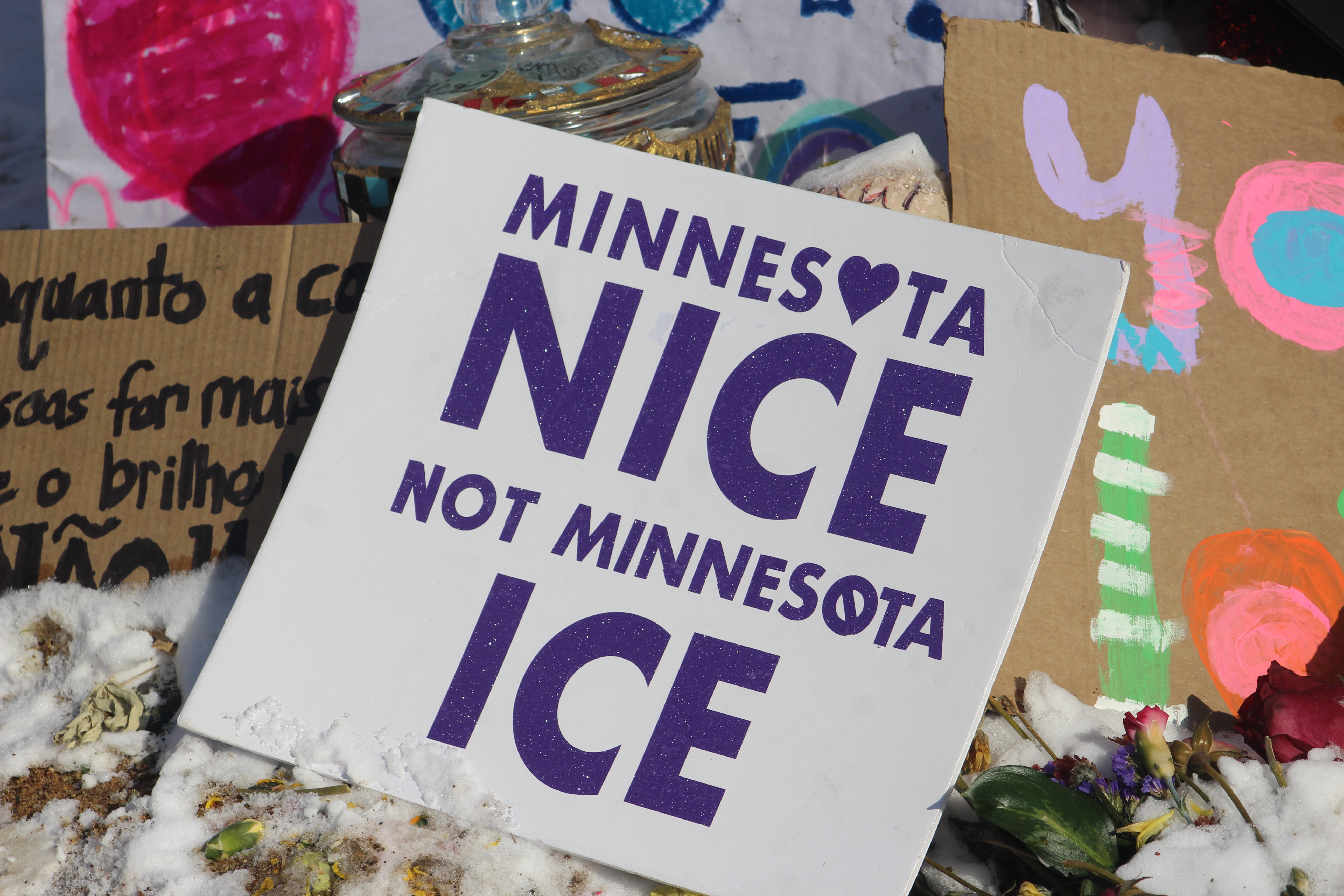
MINNEAPOLIS — In a major development that could reshape years of federal immigration enforcement in the Upper Midwest, White House border czar Tom Homan announced Thursday morning that the controversial immigration enforcement surge in Minnesota — officially called Operation Metro Surge — will be brought to a close.
Speaking at a press conference in Minneapolis, Homan said he had proposed ending the operation and that President Donald Trump had concurred with that recommendation. Federal immigration enforcement officers have already begun leaving the state and will continue to draw down through the coming week, Homan said.
“It is my view that the mission here has accomplished what we set out to do. Minnesota is now less of a sanctuary state for criminals,” Homan said, framing the operation as a success in achieving the administration’s immigration enforcement priorities.
For Native American communities and immigrant advocates watching these developments, the announcement marks both a reprieve and a reminder of the ongoing challenges in federal immigration enforcement policy.
Background and Controversy
Launched December 1, 2025, Operation Metro Surge saw thousands of agents from U.S. Immigration and Customs Enforcement (ICE), Border Patrol, and other federal agencies flood the Minneapolis–St. Paul metro area. The initiative was part of the Trump administration’s broader crackdown on undocumented immigrants and so-called sanctuary policies.
In the roughly 10 weeks since its launch, federal authorities say more than 4,000 individuals have been arrested under the operation. But the enforcement effort drew widespread criticism from civil rights groups, state and local officials, and immigrant advocates, who alleged that many of those detained lacked serious criminal records and that the operation fostered fear in immigrant communities.
The surge also became a political flashpoint after two U.S. citizens — Renee Nicole Good and Alex Pretti — were shot and killed in clashes involving federal officers. Those deaths intensified scrutiny of federal tactics and contributed to mounting calls for a reassessment of the operation.
Homan’s Rationale and Next Steps
Homan said recent changes — including what he called improved cooperation with Minnesota law enforcement, implementation of body-worn cameras for ICE officers, and personnel reassignment — helped pave the way for the drawdown. He noted that a smaller security team will remain temporarily to oversee the transition and keep order as agents leave.
At the same time, Homan took pains to dispel misinformation about federal enforcement, asserting that ICE had not made arrests at hospitals, schools, or churches — a telling response to reports and fears circulating in Minnesota communities.
Homan also expressed a desire to prevent further bloodshed, thanking Minnesota Gov. Tim Walz and other leaders for messages emphasizing peace amid ongoing tension.
Local Reaction and Broader Implications
Minnesota officials have reacted cautiously. Gov. Walz had recently suggested the operation would end “in days, not weeks and months,” reflecting growing frustration with the federal presence. Minneapolis Mayor Jacob Frey described recent meetings with Homan as positive while continuing to push for a complete withdrawal of federal enforcement personnel.
Critics have long argued that operations like Metro Surge undermine trust between communities and law enforcement, while supporters of the Trump administration praise the effort as a necessary enforcement of immigration laws.
As federal officers begin redeploying to other parts of the country, the impact of the Minnesota drawdown — particularly on immigrant and Native communities that have been deeply affected by ICE activity — will be watched closely in the weeks ahead.
More Stories Like This
Native News Weekly (August 25, 2024): D.C. BriefsUS Presidents in Their Own Words Concerning American Indians
Washoe Tribe Completes Historic 10,274-Acre Land Return Near Lake Tahoe
Alaska Native group sues Trump administration for nixing North Slope caribou protections
Help us defend tribal sovereignty.
At Native News Online, our mission is rooted in telling the stories that strengthen sovereignty and uplift Indigenous voices — not just at year’s end, but every single day.
Because of your generosity last year, we were able to keep our reporters on the ground in tribal communities, at national gatherings and in the halls of Congress — covering the issues that matter most to Indian Country: sovereignty, culture, education, health and economic opportunity.
That support sustained us through a tough year in 2025. Now, as we look to the year ahead, we need your help right now to ensure warrior journalism remains strong — reporting that defends tribal sovereignty, amplifies Native truth, and holds power accountable.
 The stakes couldn't be higher. Your support keeps Native voices heard, Native stories told and Native sovereignty defended.
Stand with Warrior Journalism today.
Levi Rickert (Potawatomi), Editor & Publisher