- Details
- By Levi Rickert
Opinion. For generations, Native Americans have faced extraordinary health disparities: We die younger, suffer higher rates of diabetes, heart disease, liver disease, and suicide, and are more likely to lack insurance than any other racial or ethnic group in the United States.
American Indians and Alaska Natives still experience life expectancy nearly a decade shorter than non-Hispanic whites, with chronic diseases like diabetes affecting nearly 14% of adults — rates far higher than the general population. Deaths from liver disease and substance use are four to six times higher than for other Americans, and suicide rates among our youth remain alarmingly high. These disparities are not accidents. They are the result of centuries of broken treaties, underfunded health systems, and systemic neglect.
Please support our year-end campaign. CLICK HERE TO DONATE.
For decades, the Indian Health Service (IHS) has been chronically underfunded. Many clinics are short-staffed, equipment is outdated, and patients are forced to travel hundreds of miles for specialty care. Before the Affordable Care Act, access to consistent, quality health care was a privilege too few of our people could afford.
The ACA — known as ‘Obamacare” — is one of the few tools that has begun to address these inequities — and extending it is essential to protecting our lives, our communities and our sovereignty.
Now it is at risk of ending because the Republicans in Congress resisted voting to continue the ACA tax credits that subsidize health insurance rates that will expire.
The ACA tax credits helped reduce the uninsured rate among American Indians and Alaska Natives under 65 from over 32% to roughly 20%. That coverage has been transformative: Elders can see specialists without traveling hundreds of miles; youth struggling with mental health or substance use can access counselors and culturally grounded programs; working families can purchase insurance through marketplace plans while continuing to use tribal or IHS clinics.
The ACA also permanently reauthorized the Indian Health Care Improvement Act, allowing tribes to expand health services, improve long-term care, and modernize clinic infrastructure. Medicaid expansion under the ACA brought billions of additional dollars into tribal health systems, enabling clinics to hire staff, expand services, and upgrade equipment — critical tools for addressing chronic disease, substance use, and mental health crises.
Without the ACA, we risk unraveling years of progress. Subsidies and coverage options that have brought relief to thousands of Native families could disappear, forcing people to choose between emergency care and food. Clinics could lose revenue needed to operate, reducing access to critical services and worsening health disparities. Letting the ACA lapse would mean more preventable deaths, more untreated disease, and a deeper divide in health outcomes between Native and non-Native populations.
Extending the ACA subsidies is not just about insurance or policy — it is about justice. Our communities face some of the worst health disparities in the country, and addressing them requires resources, access, and choice. The ACA subsidy provision is one of the few tools available that helps level the playing field: It provides coverage, strengthens tribal health systems, and gives our people the flexibility to receive culturally competent care.
Critics may argue that the ACA is expensive or imperfect. But consider the cost of inaction: more elders with untreated diabetes, more youth lost to suicide, more families crushed by medical debt, more lives cut short by preventable chronic disease. The federal government has a treaty and moral obligation to provide health care to Native people. Extending the ACA is one way to honor that obligation.
In a letter sent on Thursday, Dec. 4, to Congressional leaders, the National Indian Health Board (NIHB) said ensuring access to healthcare and health services is a core responsibility of the U.S. to Tribes and their citizens, and letting these subsidies expire would directly undermine the government’s ability to fulfill that obligation.
“The U.S. Government has trust and treaty obligations to Tribal Nations, built on the unique government-to-government relationship between our sovereigns,” the NIHB letter states.
Tribal leaders, advocates and lawmakers must act. Support the ACA, extend its protections and strengthen the health systems our people rely on. The health disparities we face are not inevitable — they are solvable, if we commit resources and political will. Every year we delay, more lives are lost, more health inequities grow and the promise of dignity and wellness for our people slips further away.
Indian Country has survived centuries of injustice. But we cannot survive avoidable disease and preventable death. Extending the Affordable Care Act is not merely a policy decision — it is a moral imperative, a measure of justice and a statement that our lives, our health and our communities matter.
Our tribal citizens deserve nothing less.
Tribal citizens hold dual citizenship with their tribal nations and the United States. Embracing my U.S. citizenship, I believe all Americans deserve access to affordable healthcare.
Thayék gde nwéndëmen — We are all related.
More Stories Like This
Sanctuary Cities Under Siege: When Federal Power Becomes a Weapon Against the PeopleDenmark's Genocidal Practices in Greenland
Cherokee Nation Stands Against Predatory Lending
Tribes Seek Better Data, Real Accountability in MMIP Cases Ahead of Tribal Consultation
What Would Dr. King Say About ICE?
Help us defend tribal sovereignty.
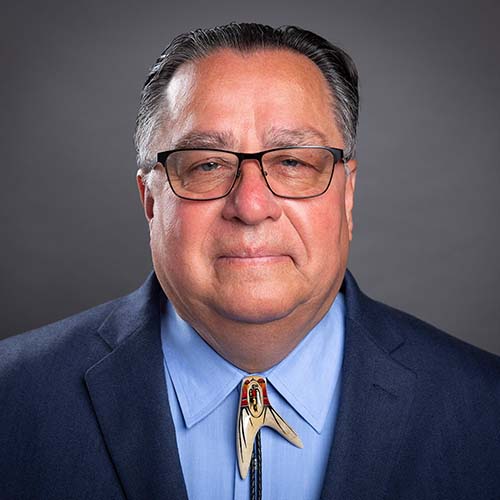
At Native News Online, our mission is rooted in telling the stories that strengthen sovereignty and uplift Indigenous voices — not just at year’s end, but every single day.
Because of your generosity last year, we were able to keep our reporters on the ground in tribal communities, at national gatherings and in the halls of Congress — covering the issues that matter most to Indian Country: sovereignty, culture, education, health and economic opportunity.
That support sustained us through a tough year in 2025. Now, as we look to the year ahead, we need your help right now to ensure warrior journalism remains strong — reporting that defends tribal sovereignty, amplifies Native truth, and holds power accountable.
 The stakes couldn't be higher. Your support keeps Native voices heard, Native stories told and Native sovereignty defended.
Stand with Warrior Journalism today.
Levi Rickert (Potawatomi), Editor & Publisher