



- Details
- By Chuck Hoskin Jr
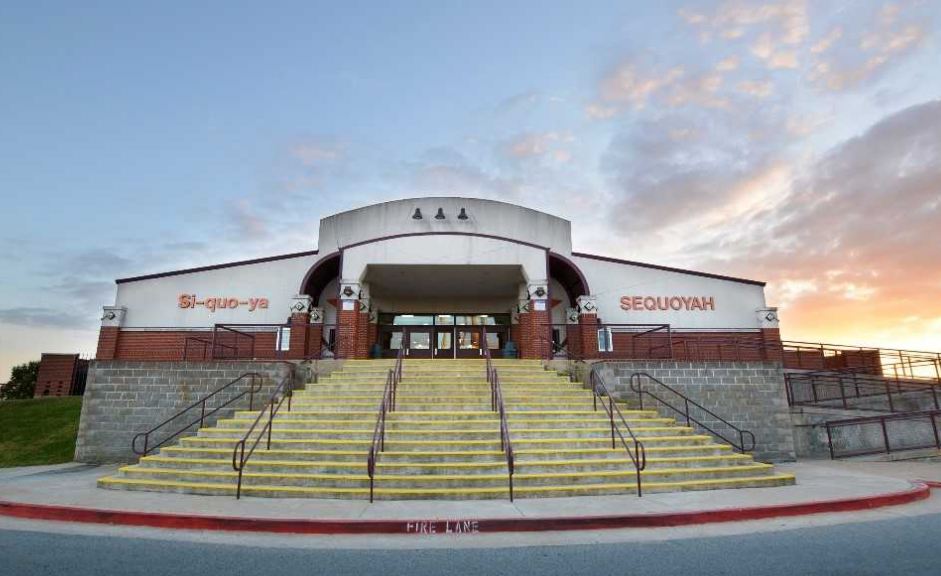
Guest Opinion. For more than 150 years, Sequoyah Schools have been a safe place for Cherokee and other Native American youth to live, learn and grow. During this milestone anniversary year, we are celebrating Sequoyah Schools’ many accomplishments for past and present generations of students. We are also looking ahead with an historic investment in the school.
From humble beginnings as an orphanage, Sequoyah has evolved into one of the most significant educational institutions for Native students in the nation. The school, serving grades 9 through 12, is operated by the Cherokee Nation and funded by the Bureau of Indian Education.
Want more Native News? Get the free daily newsletter today.
The best evidence for Sequoyah Schools’ importance is the love and dedication of its alumni base. Many students come from families who have attended Sequoyah for generations. Over that time, Sequoyah Schools’ name and population have changed, but its commitment to excellent education has stayed the same.
Even in times of enormous hardships, our Cherokee ancestors always highly valued education. In 1871, the Cherokee National Council passed an act establishing the Cherokee Orphan Asylum to educate and care for the orphans created by the Civil War. Its name was changed to Sequoyah Orphan Training School in 1925 to honor the Cherokee statesman who developed the Cherokee syllabary. The Cherokee Nation contracted to run Sequoyah High School in 1985, taking over day-to-day management from the Bureau of Indian Education.
Today Sequoyah Schools is a modern institution covering more than 90 acres and a dozen buildings, nestled on a beautiful campus in Cherokee Nation’s capital city of Tahlequah. The average enrollment is just over 375 students, all citizens of a federally recognized tribe. Sequoyah offers a diverse curriculum, many honors courses, and opportunities in athletics, the arts and a wide variety of clubs.
Since 1934, more than 4,000 students have graduated from Sequoyah, and over the past three school years, students have earned more than $9 million in scholarships and grants.
I am especially proud of Sequoyah’s commitment to offering classes in Native history and the Cherokee language. The school lives up to the legacy of its namesake by sharing knowledge of the Cherokee language with the next generation. It is an excellent place for students from our Cherokee Immersion Schools to continue their educations and stay closely connected to our language.
Sequoyah’s future is bright. Last fall Deputy Chief Bryan Warner and I proposed, and the Council approved, a commitment of $20 million in capital investment at Sequoyah. We are also working to free the school from outdated constraints to capital improvements imposed by the federal government. Our goal is to give the students and faculty at Sequoyah the first-class facilities they deserve.
Sequoyah Schools is training many of the brightest young Cherokees and other Natives to deeply understand and celebrate their tribal identity. They know that being proud tribal citizens and excelling in the arts, STEM fields, business, or any other endeavor that they dream of pursuing go hand in hand. The graduates of Sequoyah are our future leaders, and I am excited to see what they accomplish.
Chuck Hoskin, Jr. is the principal chief of the Cherokee Nation.
More Stories Like This
Disrupting Poverty Through OpportunitySanctuary Cities Under Siege: When Federal Power Becomes a Weapon Against the People
Denmark's Genocidal Practices in Greenland
Cherokee Nation Stands Against Predatory Lending
Tribes Seek Better Data, Real Accountability in MMIP Cases Ahead of Tribal Consultation
Help us defend tribal sovereignty.
At Native News Online, our mission is rooted in telling the stories that strengthen sovereignty and uplift Indigenous voices — not just at year’s end, but every single day.
Because of your generosity last year, we were able to keep our reporters on the ground in tribal communities, at national gatherings and in the halls of Congress — covering the issues that matter most to Indian Country: sovereignty, culture, education, health and economic opportunity.
That support sustained us through a tough year in 2025. Now, as we look to the year ahead, we need your help right now to ensure warrior journalism remains strong — reporting that defends tribal sovereignty, amplifies Native truth, and holds power accountable.
 The stakes couldn't be higher. Your support keeps Native voices heard, Native stories told and Native sovereignty defended.
Stand with Warrior Journalism today.
Levi Rickert (Potawatomi), Editor & Publisher