



- Details
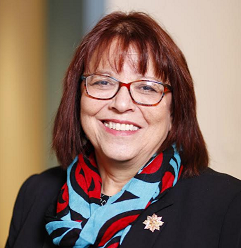
- By Cheryl Crazy Bull
Guest Opinion. In recognition of National Tribal Colleges and Universities Week, faculty and students from 34 tribal colleges and universities (TCUs) have been meeting with legislators on Capitol Hill to advocate for their campuses and communities. TCUs share a unique perspective on the role of higher education for students and society. They recognize the important role higher education plays in the fabric of our nation, because higher education has transformed their lives and their communities.
The value of an education and how much society should invest in educational institutions and programs has historically been a topic of political campaigns and policy debates. For several years, the debates have become more heated, with the pressure to value higher education solely as a means to higher earnings. TCUs, tribal students, and educators have always recognized that much is lost when society, and especially legislators, see the operation of colleges and universities as nothing more than an economic transaction.
Higher education is a space that exemplifies the democratic rights and values we hold dear in this country. Most importantly, universities are a space where students expand their understanding, gain new perspectives, and practice the skills needed to thrive in society – namely teamwork, self-motivation, and decision-making. In this way, colleges and universities play a role beyond preparing students for the workforce. They help students become more responsible and involved citizens.
Tribal colleges and universities never lose sight of the fact that they are educating the next generation of tribal and rural community leaders. TCUs recognize that as citizens of tribal Nations, many Native students see higher education as more than a means to improve their own lives. American Indian College Fund scholars tell us that the main reason they go to college is for better lives for their families and to improve the health and wellbeing of their communities.
Scholars share that the primary barrier to an education is financial. This makes advocacy with legislators even more critical. Making a higher education and better future attainable through affordable attendance costs and open enrollment is foundational to TCUs. They believe everyone should have the chance to learn and grow, because, in empowering students, TCUs are ensuring the success and sustainability of communities in some of the most rural and underserved regions of our country. Sharing our transformative educational experiences with Congress and the Administration helps us provide that affordable and accessible education for all.
TCUs provide a quality education through a holistic approach that incorporates Native cultures and student well-being. They are community hubs offering support to everyone from early childhood learners to elderly culture bearers, and they do so on limited funding. Graduates of TCUs make a noticeable impact on the economy. Per the American Indian Higher Education Consortium’s “Building Local Economies of Scale: The Impact of Tribal Colleges and Universities in Rural America” report, TCU alumni contributed $3.8 billion to the national economy in fiscal year 2022-23.
Native students attending TCUs are receiving an education that prepares them to serve their communities. In fact, 93% of American Indian College Fund scholars stay to serve their communities after graduation. They learn the value of community through the example set by the very institutions providing them with their degrees. During National Tribal Colleges and Universities Week, our Senators and Representatives learn about the perspective of higher education, not as an impersonal experience that results in higher earnings, but as a sharing of knowledge and deepening of relationships that leads to graduates who are not only higher earners but invested members of their community and country.
Cheryl Crazy Bull, Wacinyanpi Win (They Depend on Her), the President and CEO of the American Indian College Fund, is a citizen of the Sicangu Lakota Nation. She has been in her position with the American Indian College Fund since 2012.
More Stories Like This
When Journalism Is Treated as a Crime, Democracy Is in DangerDisrupting Poverty Through Opportunity
Marmot Day (Ground Hog Day) and the (Lack of) Law
Sanctuary Cities Under Siege: When Federal Power Becomes a Weapon Against the People
Help us defend tribal sovereignty.
At Native News Online, our mission is rooted in telling the stories that strengthen sovereignty and uplift Indigenous voices — not just at year’s end, but every single day.
Because of your generosity last year, we were able to keep our reporters on the ground in tribal communities, at national gatherings and in the halls of Congress — covering the issues that matter most to Indian Country: sovereignty, culture, education, health and economic opportunity.
That support sustained us through a tough year in 2025. Now, as we look to the year ahead, we need your help right now to ensure warrior journalism remains strong — reporting that defends tribal sovereignty, amplifies Native truth, and holds power accountable.
 The stakes couldn't be higher. Your support keeps Native voices heard, Native stories told and Native sovereignty defended.
Stand with Warrior Journalism today.
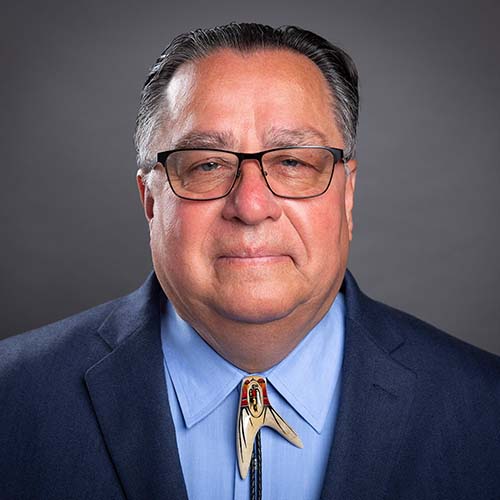
Levi Rickert (Potawatomi), Editor & Publisher