- Details
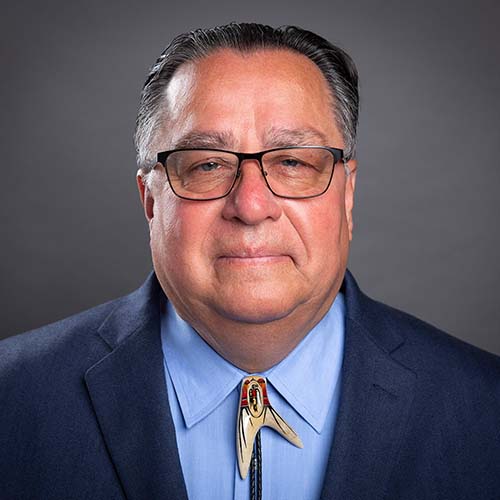
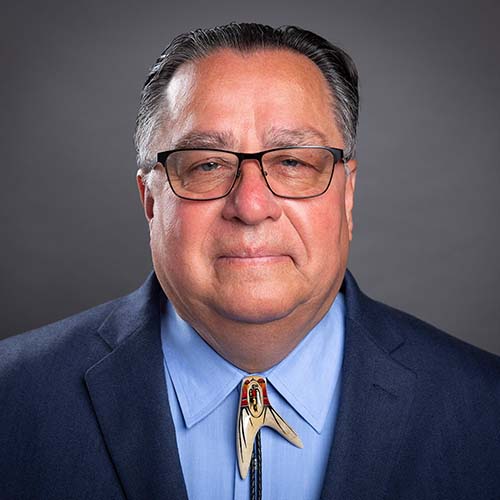
- By Levi Rickert
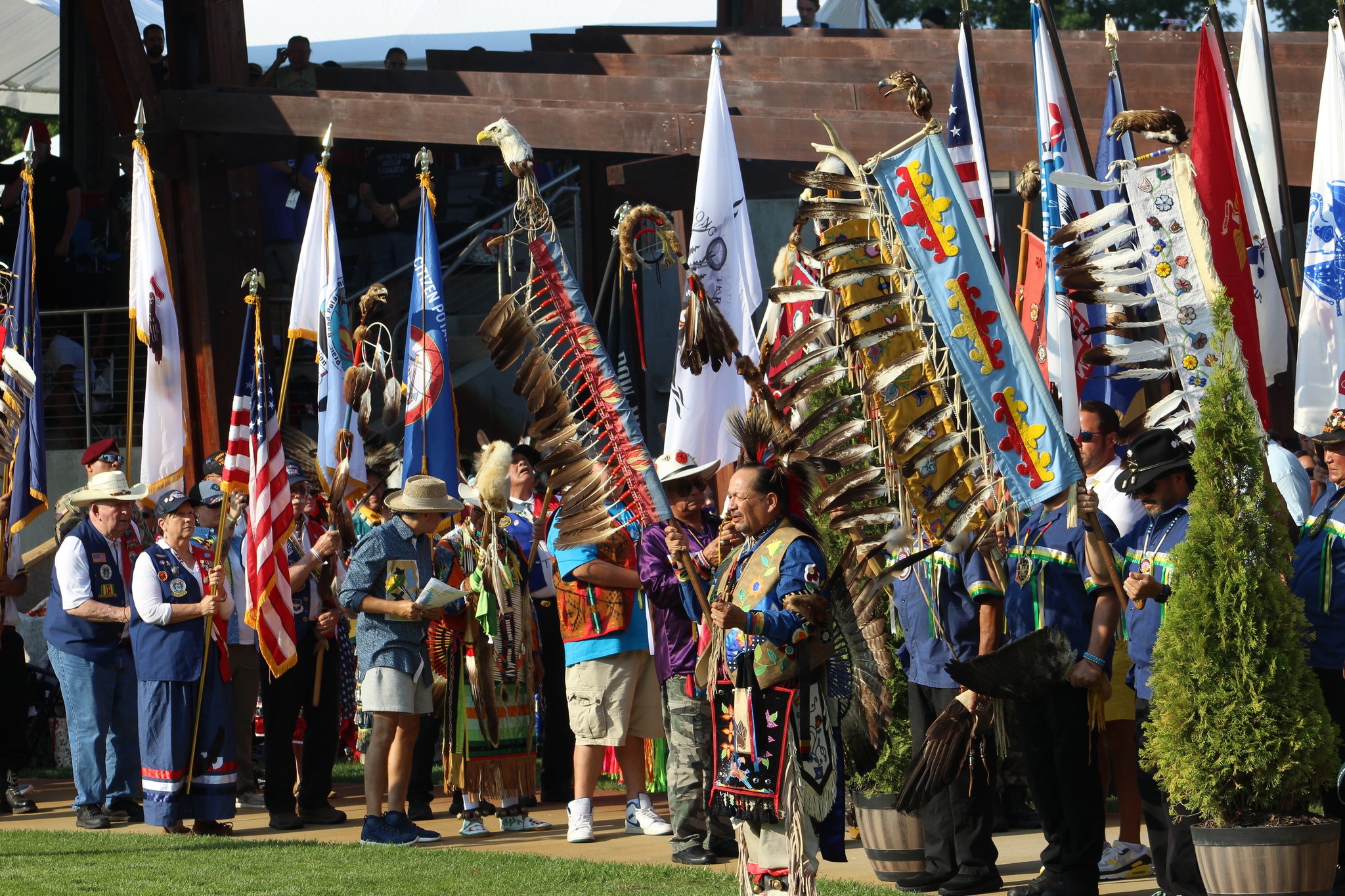
Opinion. I spent time with 5,000 of my relatives last week at the Gun Lake reservation in Western Michigan. We celebrated being Potawatomi (Bodéwadmi) and witnessed tribal leaders make history.
The occasion — call it a massive family gathering — was the 2025 Pottawatomi Gathering, hosted by the Match-E-Be-Nash-She-Wish Band of Pottawatomi, commonly known as the Gun Lake Tribe. (I should note: The Gun Lake Tribe uses the spelling "Pottawatomi" with two T's, while most other Potawatomi bands use one T.)
Out-of-state visitors experienced what we Michiganders are used to during the dog days of summer—weather that changes almost instantly, with hot, humid days from Lake Michigan, sudden rainfalls and then comfortable temperatures under blue skies.
Some of the Potawatomi relatives from Oklahoma and Kansas remarked they couldn’t believe how green western Michigan is.
The first Gathering of Potawatomi Nations was held in 1994, hosted by the Wasauksing First Nation in Parry Sound, Ontario. It marked the inaugural pan-Potawatomi cultural gathering, bringing together members from tribal bands across the United States and Canada to revitalize language, heritage, and identity.
Since then, with the exception of during the COVID-19 pandemic, the Potawatomi have met for annual gatherings. Each year, the Potawatomi Gathering rotates between the various bands of Potawatomi nations, allowing Potawatomi to visit various reservations and meet with their Potawatomi counterparts in different parts of both the United States and Canada.
The gatherings are filled with cultural exchange, language workshops, entertainment and powwows. Additionally, work gets done as tribal councils from the various tribes meet to discuss joint concerns the tribes have with governmental policies and ways to promote economic development.
On Thursday, in a historic moment, Potawatomi trial leaders officially formed the Bodéwadmi Confederation of Tribal Nations by signing Articles of Confederation. The event comes after decades of dialogue. The document brings together the Potawatomi tribes as a singular bloc that has not existed since the tribes were broken up through land distribution by both the United States and Canadian federal governments in the 1800s.
This formal unification followed a 2023 vote by Potawatomi leaders to create the confederacy, a decision made during that year’s Gathering, hosted by the Nottawaseppi Huron Band of the Potawatomi.
The preamble to the Articles of Confederation affirms the tribes’ ancestral rights and inherent sovereignty, establishing the confederation to secure a future as self-determined, self-governed nations. It emphasizes shared values such as tribal sovereignty, cultural preservation, and collaborative progress.
Under Article V, the confederation’s responsibilities include promoting economic development, environmental protection, cultural preservation, and political advocacy across member nations.
The signing ceremony was led by Gun Lake Tribe Chairman Bob Peters, who called the formation a historic moment decades in the making. Peters emphasized the confederation's potential to use collective power in negotiations with governments and vendors, particularly around economic development.
“Today was really historic; it was many years in the making—well before my time,” Peters said to Native News Online on Thursday. “I’ve heard the stories from the chairmen of my tribe and my family. I attended Potawatomi Gatherings as a little guy. At the time, I didn't know what it was about. It felt like a large family reunion. But there’s a lot that goes into family reunions. It’s a lot of blood, sweat, and tears—literally—for all of us, the 12 Potawatomi tribes.”
Known as the “Keepers of the Three Fires,” the Potawatomi are strong and resilient people. Last week, I interviewed Hannahville Indian Community Tribal Chairperson Kenneth Meshigaud, who has served as his tribe’s chairperson for almost four decades.
Meshigaud reflected emotionally on the moment, calling it the fulfillment of decades of effort to reunify the Potawatomi people under a shared vision.
“As Keepers of the Fire, it’s our responsibility to pass on the traditions and teachings of our culture to our people—whether they’re young, old, or somewhere in between. Everyone has the ability to teach and become keepers of the fire. And the fire is within us—that’s what we have to continue.”
My tribal chairman, Prairie Band of Potawatomi Nation’s Joseph “Zeke” Rupnick, highlighted how united buying power—such as negotiating better deals for tribal casinos—could benefit all member nations. He also emphasized the importance of restoring cross-border trade and legislative collaboration between U.S. and Canadian tribes.
The formation of the Bodéwadmi Confederation of Tribal Nations will strengthen the Potawatomi people in the areas of economic development and as a political entity, similar to how the Coalition of Large Tribes (COLT) does for other tribes that have common concerns and interests.
The Potawatomi Gathering allows the Bodéwadmi to celebrate who they are. Personally, attending the Potawatomi Gathering allowed me the opportunity to celebrate being Potawatomi.
Last week reminded me of something that happened to me four years ago when I stood across the Chicago River in downtown Chicago and saw Andrea Carlson’s mural. It read “Bodéwadmikik ėthë yéyék” in the Bodéwadmi language — “You Are on Potawatomi Land” in English.
The pride of being Potawatomi as I stood there remains with me four years later. Last week, I experienced those same feelings.
Thayék gde nwéndëmen - We are all related.
More Stories Like This
Sanctuary Cities Under Siege: When Federal Power Becomes a Weapon Against the PeopleDenmark's Genocidal Practices in Greenland
Cherokee Nation Stands Against Predatory Lending
Tribes Seek Better Data, Real Accountability in MMIP Cases Ahead of Tribal Consultation
What Would Dr. King Say About ICE?
Help us defend tribal sovereignty.
At Native News Online, our mission is rooted in telling the stories that strengthen sovereignty and uplift Indigenous voices — not just at year’s end, but every single day.
Because of your generosity last year, we were able to keep our reporters on the ground in tribal communities, at national gatherings and in the halls of Congress — covering the issues that matter most to Indian Country: sovereignty, culture, education, health and economic opportunity.
That support sustained us through a tough year in 2025. Now, as we look to the year ahead, we need your help right now to ensure warrior journalism remains strong — reporting that defends tribal sovereignty, amplifies Native truth, and holds power accountable.
 The stakes couldn't be higher. Your support keeps Native voices heard, Native stories told and Native sovereignty defended.
Stand with Warrior Journalism today.
Levi Rickert (Potawatomi), Editor & Publisher