




- Details
- By Tom Rodgers
Guest Opinion. With the rollout of multiple vaccines and decreasing case numbers nationwide, it looks like we’re finally rounding a corner on the COVID-19 pandemic. As hopeful as this time is, it also allows us to refocus our attention on issues that have been overshadowed by the pandemic. In the shadows, the drug abuse epidemic has worsened dramatically: The Centers for Disease Control and Prevention (CDC) reports that there were over 81,000 overdose deaths in the 12 months ending in May 2020, the highest number of overdose deaths ever recorded in a 12-month period.
The toll that opioids and other prescription drugs have taken on Indigenous communities is well documented, but these drugs are continuing to poison our families, our communities and our environment. Nationwide, Native Americans are three times more likely to die of a drug overdose than the general population.
Leftover prescription drugs are also ending up in our water and land, polluting the health of our people and the spaces we hold sacred.
We must take steps now to protect our people and preserve the land, water and wildlife for future generations. Proper disposal of unused medications is essential to preventing these drugs from being misused or leached into the environment. Increasing access to safe and effective drug disposal methods like Deterra® System, an at-home medication disposal system that permanently deactivates and destroys unwanted drugs, can help.
“Americans are prescribed approximately 4.4 billion drugs annually and an estimated two-thirds go unused. It’s clear that we need a safe, simple and environmentally sound disposal option,” says Jason Sundby, CEO of Verde Environmental Technologies, Inc., the creator of the Deterra System. “Drug deactivation is a solution for people and the planet. Our plant-based pouches use organic, activated carbon that binds to the active ingredients in prescription and over-the-counter medications, rendering them unavailable for misuse or environmental harm.”
To begin to heal from the suffering that opioids and other drugs have caused to our communities, we must start with properly disposing of medications once they are no longer needed. It is our responsibility to past and future generations to protect our people and all living beings from the poison in these chemicals.
“It’s difficult to not feel obligated to protect this land, and I feel that every Indigenous person in this country understands that,” Rep. Deb Haaland said during her recent confirmation hearing to be the first Native American Interior secretary. “I believe we all have a stake in the future of our country, and I believe that every one of us…shares a common bond: our love for the outdoors and a desire and obligation to keep our nation livable for future generations.”
As we start to heal from the trauma of COVID-19, I hope we can also begin to heal ourselves and the earth from the ravages of substance misuse and environmental abuse caused by prescription drugs. Proper drug disposal is a proven place to start.
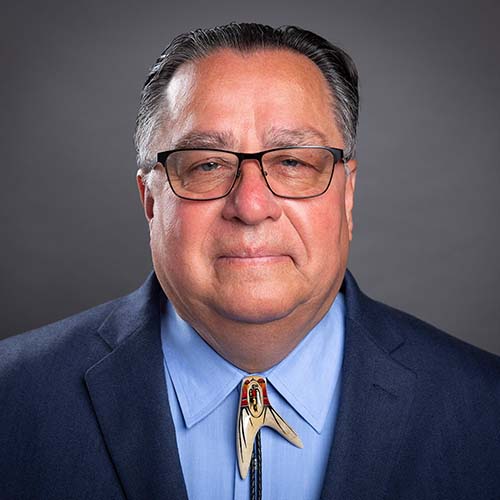
Tom Rodgers is an activist and advocate for Native Americans and tribal issues. He is the president of the Global Indigenous People’s Council and founder/president of Carlyle Consulting.
More Stories Like This
Why Federal Health Insurance Policy Matters to Cherokee NationThe Absence of October's Job Report Shows Why Native American Communities Need Better Data
Tribal IDs Are Federally Recognized. ICE Agents Are Ignoring Them.
Thanksgiving: Part of "Broken Circle Holiday"
Thanksgiving is a Tradition. It's Also a Lie
Help us defend tribal sovereignty.
At Native News Online, our mission is rooted in telling the stories that strengthen sovereignty and uplift Indigenous voices — not just at year’s end, but every single day.
Because of your generosity last year, we were able to keep our reporters on the ground in tribal communities, at national gatherings and in the halls of Congress — covering the issues that matter most to Indian Country: sovereignty, culture, education, health and economic opportunity.
That support sustained us through a tough year in 2025. Now, as we look to the year ahead, we need your help right now to ensure warrior journalism remains strong — reporting that defends tribal sovereignty, amplifies Native truth, and holds power accountable.
 The stakes couldn't be higher. Your support keeps Native voices heard, Native stories told and Native sovereignty defended.
Stand with Warrior Journalism today.
Levi Rickert (Potawatomi), Editor & Publisher