



- Details
- By Tom Anderson
Guest Opinion. As a Tribal Citizen of the Cherokee Nation, my culture runs deep. Tribal culture is what ties me to my past and gives me clarity for the future. Culture makes challenging statistics about Native American mental health extraordinarily personal.
American Indian and Alaskan Native (AI/AN) people have a long history of health disparities and poor health outcomes. We've all heard the numbers – the typical AI/AN life expectancy is 5.5 years less than every other racial group in the U.S., according to the Indian Health Service.
The focus is often placed on physical health issues. What about our mental wellness? More importantly, what about the mental wellness of our children?
July is Minority Mental Health Month, an observance placing a much-needed spotlight on the challenges affecting the mental health of racial and ethnic minority groups. For Native Americans, inequities in healthcare, disproportionate poverty, discrimination and lack of resources exacerbate physical and mental health problems. In fact, the U.S. Department of Health and Human Services states Native Americans are 60 percent more likely to experience the feeling that "everything is an effort," all or most of the time, compared to non-Hispanic whites. For many, one way of coping is a reliance on substances like drugs and alcohol.
Unfortunately, mental health challenges and substance abuse are not just "adult" issues. According to the Centers for Disease Control and Prevention (CDC), between 2011-2021, 42 percent of high school students experienced persistent sadness and hopelessness. And substance abuse among youth aged 12 to 20 in 2021, 15.1 percent were past-month alcohol users, according to the Substance Abuse and Mental Health Services Administrators (SAMHSA).
Evidence suggests when preteens and teens use alcohol and other substances as a coping mechanism, their use intensifies one’s mental health struggles. Alternatively, lifetime non-users of substances like alcohol consistently report greater academic self-efficacy and emotional engagement versus those who regularly use.
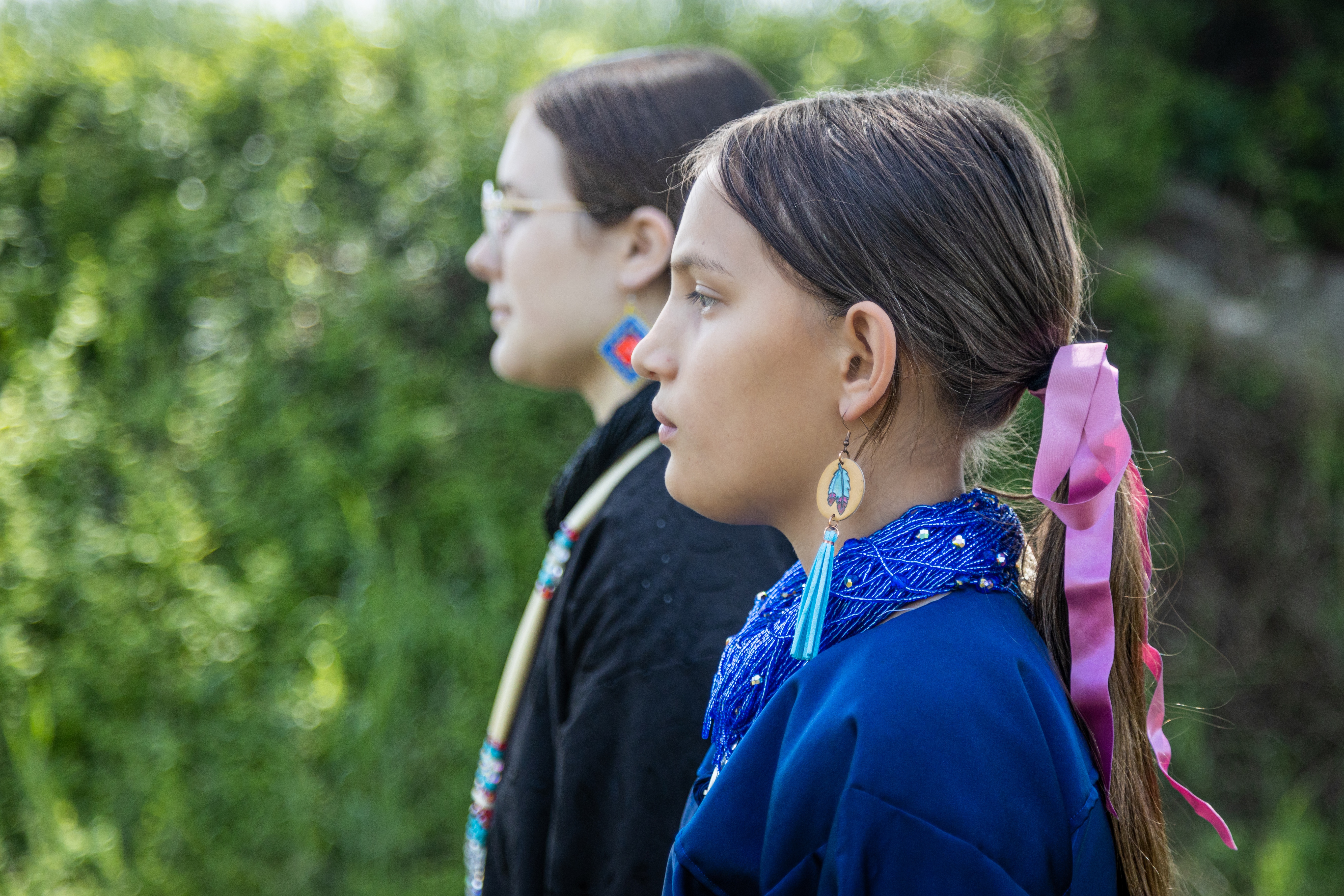
Our youth are culture-bearers. They are to carry the mantle of our history and heritage into the future. And Tribal youth are challenged to be informed on achieving better health outcomes including mental health well-being, perhaps most of all.
Here is the good news. The rich cultures Native youth are to embrace offer ample opportunities and natural pathways for prevention and resilience. When young people embrace their culture, customs and unique hobbies bringing them joy, they create an alternative pathway that can lead to better health and longevity. They open themselves up to more and stronger relationships and connections, find new wells of confidence and expand their network of positive adult role models. In many cases, positive habits begin at home.
Studies indicate children make better choices with a solid, open relationship with their parents. Additionally, youth are more likely to avoid abusing substances when families share the rules in a supportive and nurturing environment. Initiating an open and honest conversation with your children about mental health encourages them to be honest with you about their emotions. This increases the likelihood they won't turn to harmful coping behaviors like underage drinking and prescription drug misuse when times get tough.
Collaborative community efforts embracing a "whole-child approach" can also help AI/AN communities make headway. Said approach understands that access to safe, welcoming environments and rich learning experiences are vital components for success of children of all races and cultures. When a child has these foundational building blocks, it can make all the difference.
Recently, the Association of American Physicians, in partnership with SAMHSA, launched a health awareness campaign to give our next generation of leaders the tools to say no to underage drinking and prescription drug misuse by say “yes” to hobbies and choices that set them up for long-term success. It's encouraging to see efforts like these.
This July – and year-round – let's find meaningful ways to connect with our children. Whether through our cherished traditions, cheering them on at a sport or activity they enjoy or simply being present as they navigate adolescence. Active and engaged support of our youth creates a ripple effect of change that will help bolster our Native communities now and for generations to come.
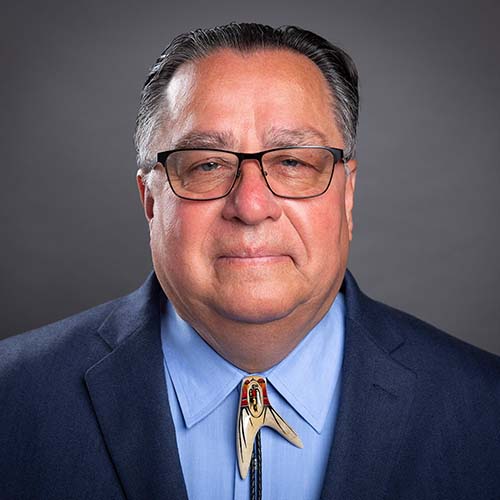
Tom Anderson, executive director of the Association of American Indian Physicians. AAIP recently launched a health campaign aimed at improving health outcomes for Native youth in Osage County.
Help us defend tribal sovereignty.
At Native News Online, our mission is rooted in telling the stories that strengthen sovereignty and uplift Indigenous voices — not just at year’s end, but every single day.
Because of your generosity last year, we were able to keep our reporters on the ground in tribal communities, at national gatherings and in the halls of Congress — covering the issues that matter most to Indian Country: sovereignty, culture, education, health and economic opportunity.
That support sustained us through a tough year in 2025. Now, as we look to the year ahead, we need your help right now to ensure warrior journalism remains strong — reporting that defends tribal sovereignty, amplifies Native truth, and holds power accountable.
 The stakes couldn't be higher. Your support keeps Native voices heard, Native stories told and Native sovereignty defended.
Stand with Warrior Journalism today.
Levi Rickert (Potawatomi), Editor & Publisher