



- Details
- By Chuck Hoskin Jr
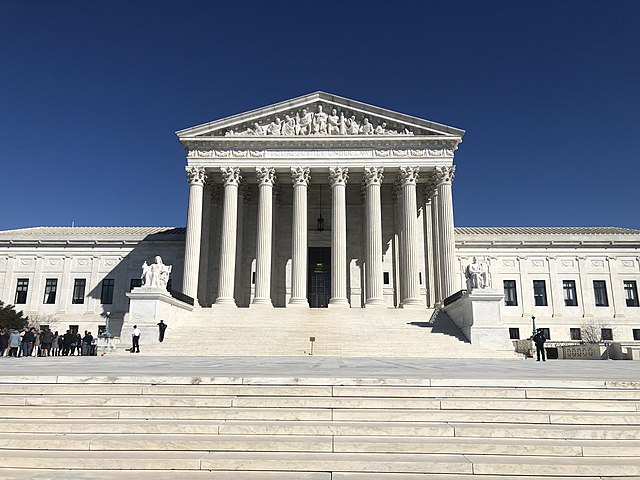
Guest Opinion. On June 15, the U.S. Supreme Court ruled to uphold the constitutionality of the Indian Child Welfare Act (ICWA), marking a tremendous victory for Native children and their families.
ICWA was passed in 1978 as a protection statute for Native children, their families and their tribes. It followed a long and devastating history of cultural assimilation, mandatory boarding schools, and the forced removal of Native children from their homes. In fact, before ICWA, it was estimated that more than a quarter of Native children were taken from their families, 85% of whom were placed in non-Native homes.

It’s difficult to overstate the impact that has on a child’s well-being. As Chief of the Cherokee Nation, I’ve seen it firsthand, and I’ve had the opportunity to speak with child welfare and medical experts who agree: removing children from their families and separating them from their culture puts their health and safety on the line.
ICWA makes sure this doesn’t happen. It keeps Native children with their families and tribes whenever safe and possible, and it gives tribal leaders intervening power in court custody cases involving citizens. At Cherokee Nation, we see the importance of ICWA every day. The law protects Cherokee children and their families right here in Tahlequah, the capital of the Cherokee Nation, and across the country. The Cherokee Nation Indian Child Welfare Department intervenes in foster care cases involving Cherokee children wherever they are. Our dedicated employees are able to help locate relatives for potential placement and identify and provide services to the parents for reunification.
Critics will tell you that this system protects the parental rights of people who don’t deserve them and prioritizes tribal placements over the best interest of children, but that couldn’t be further from the truth. ICWA is about setting Native children up for success, whatever that looks like. In a perfect world, that means keeping Native families and tribes together, but ICWA does not stand in the way of children whose interests are best served in non-Native homes. In fact, there have been many instances where Native children are placed with non-Native families even with ICWA in place.

For many Americans, the Supreme Court’s decision may have been their first time hearing of ICWA, a law experts have long heralded as the gold standard of child welfare. That may come as a surprise to some, but to me, ICWA’s obscurity is a testament to its steady success over the years and its vital importance. There has been little controversy and few opponents – a sign that ICWA is working as designed, and in states with large Native American populations like Oklahoma, that effectiveness is critical.
That’s because the Indian Child Welfare Act is focused solely on the well-being of children and gives the people who know their needs best a say in their future. Tribes in Oklahoma and across the country will never stop advocating for the value in that. Even as we celebrate last month’s Supreme Court decision, we remain vigilant for future attacks on ICWA and focused on advancing the success of our children and our tribes.
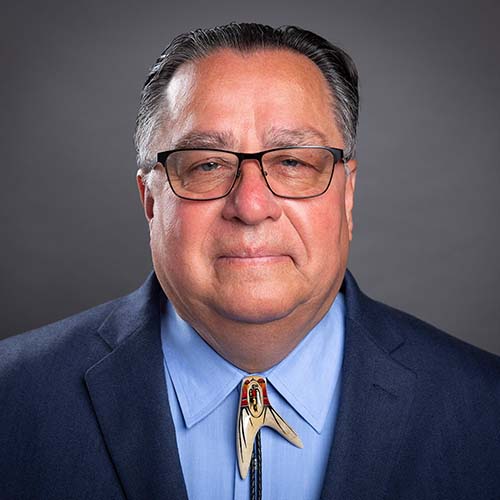
Chuck Hoskin, Jr. is the principal chief of the Cherokee Nation.
More Stories Like This
Extending the Affordable Care Act Is a Moral Imperative for Indian CountryAll Is Fair in … War?
Why Federal Health Insurance Policy Matters to Cherokee Nation
The Absence of October's Job Report Shows Why Native American Communities Need Better Data
Tribal IDs Are Federally Recognized. ICE Agents Are Ignoring Them.
Help us defend tribal sovereignty.
At Native News Online, our mission is rooted in telling the stories that strengthen sovereignty and uplift Indigenous voices — not just at year’s end, but every single day.
Because of your generosity last year, we were able to keep our reporters on the ground in tribal communities, at national gatherings and in the halls of Congress — covering the issues that matter most to Indian Country: sovereignty, culture, education, health and economic opportunity.
That support sustained us through a tough year in 2025. Now, as we look to the year ahead, we need your help right now to ensure warrior journalism remains strong — reporting that defends tribal sovereignty, amplifies Native truth, and holds power accountable.
 The stakes couldn't be higher. Your support keeps Native voices heard, Native stories told and Native sovereignty defended.
Stand with Warrior Journalism today.
Levi Rickert (Potawatomi), Editor & Publisher