- Details
- By Levi Rickert
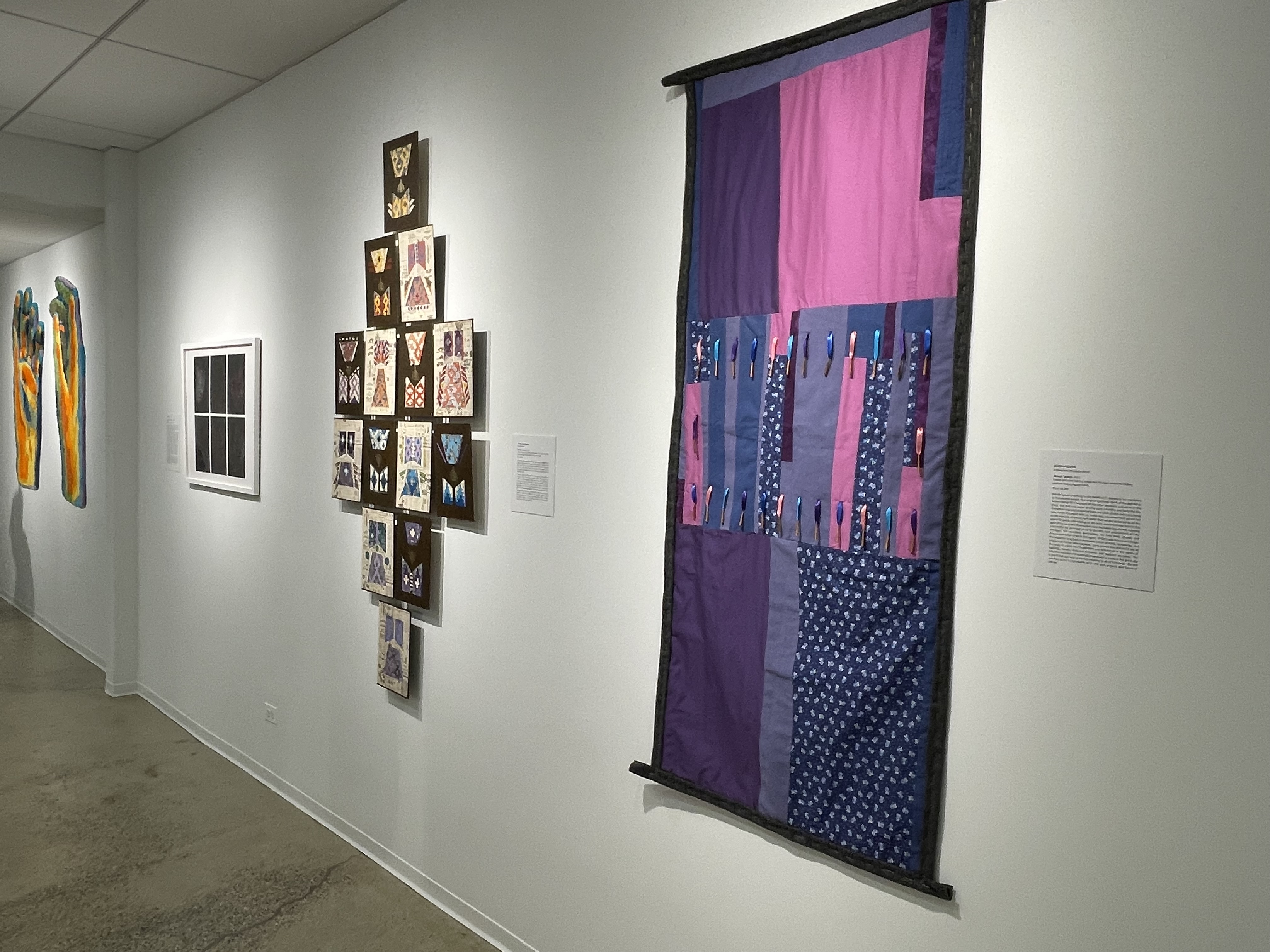
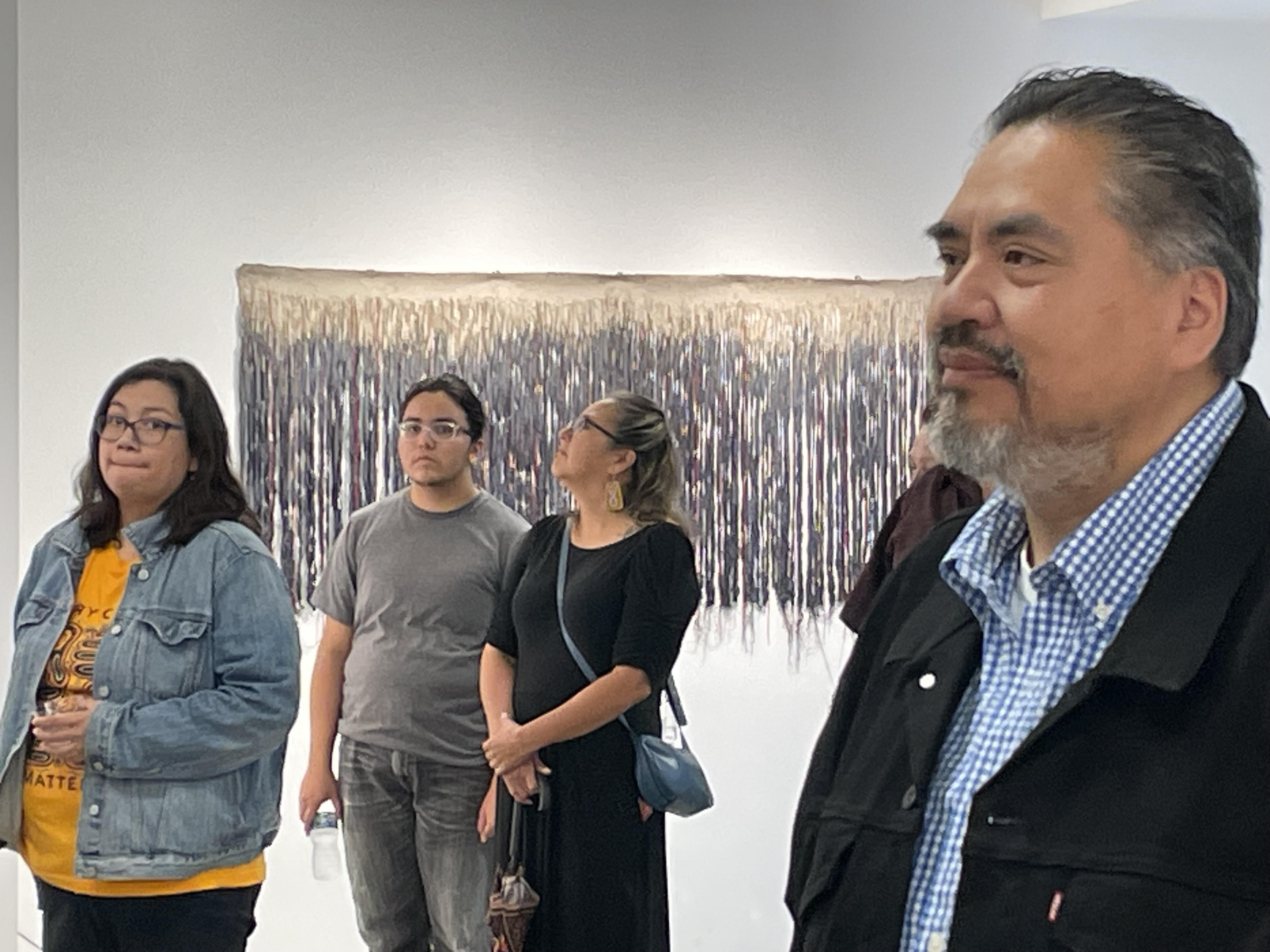
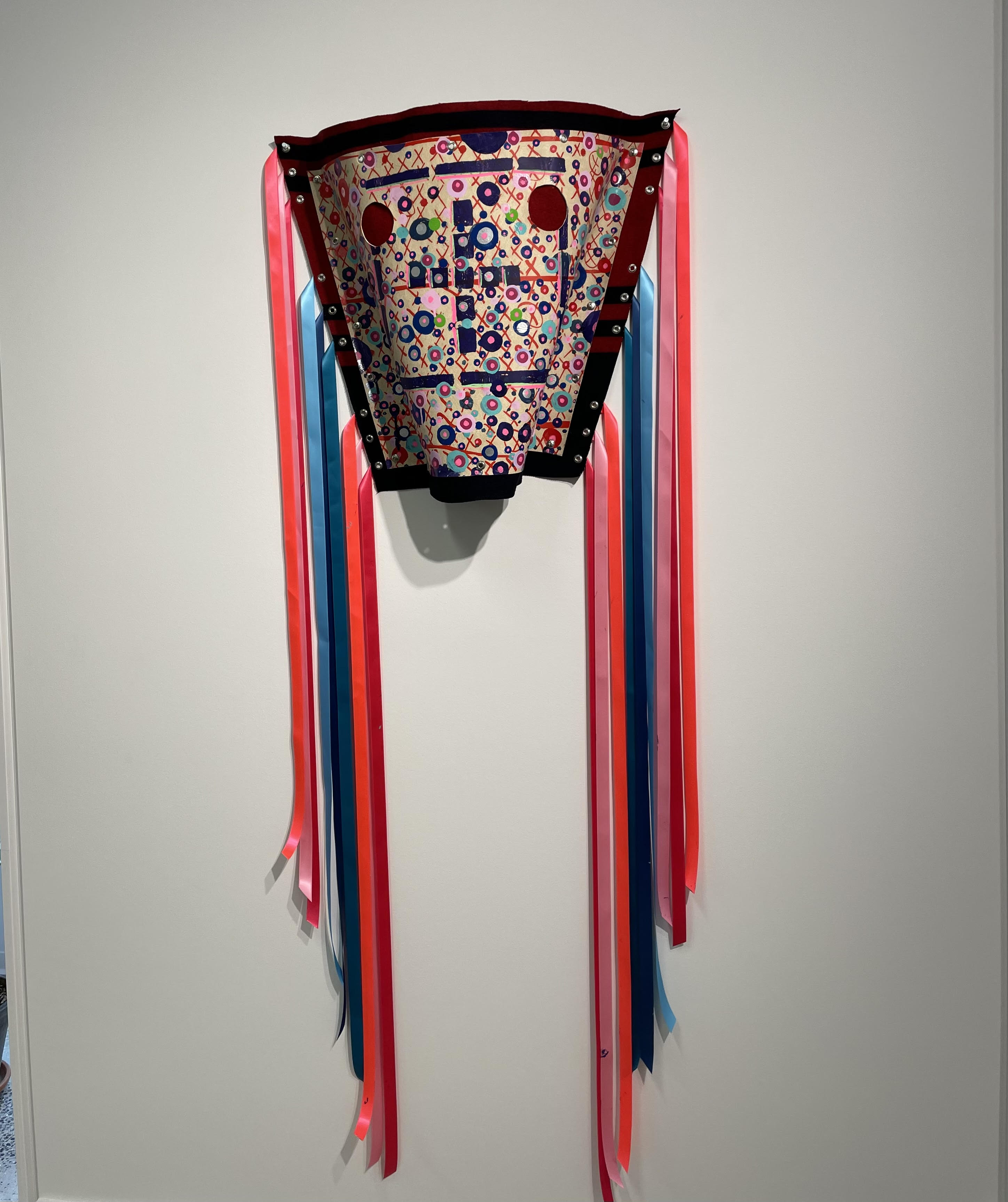
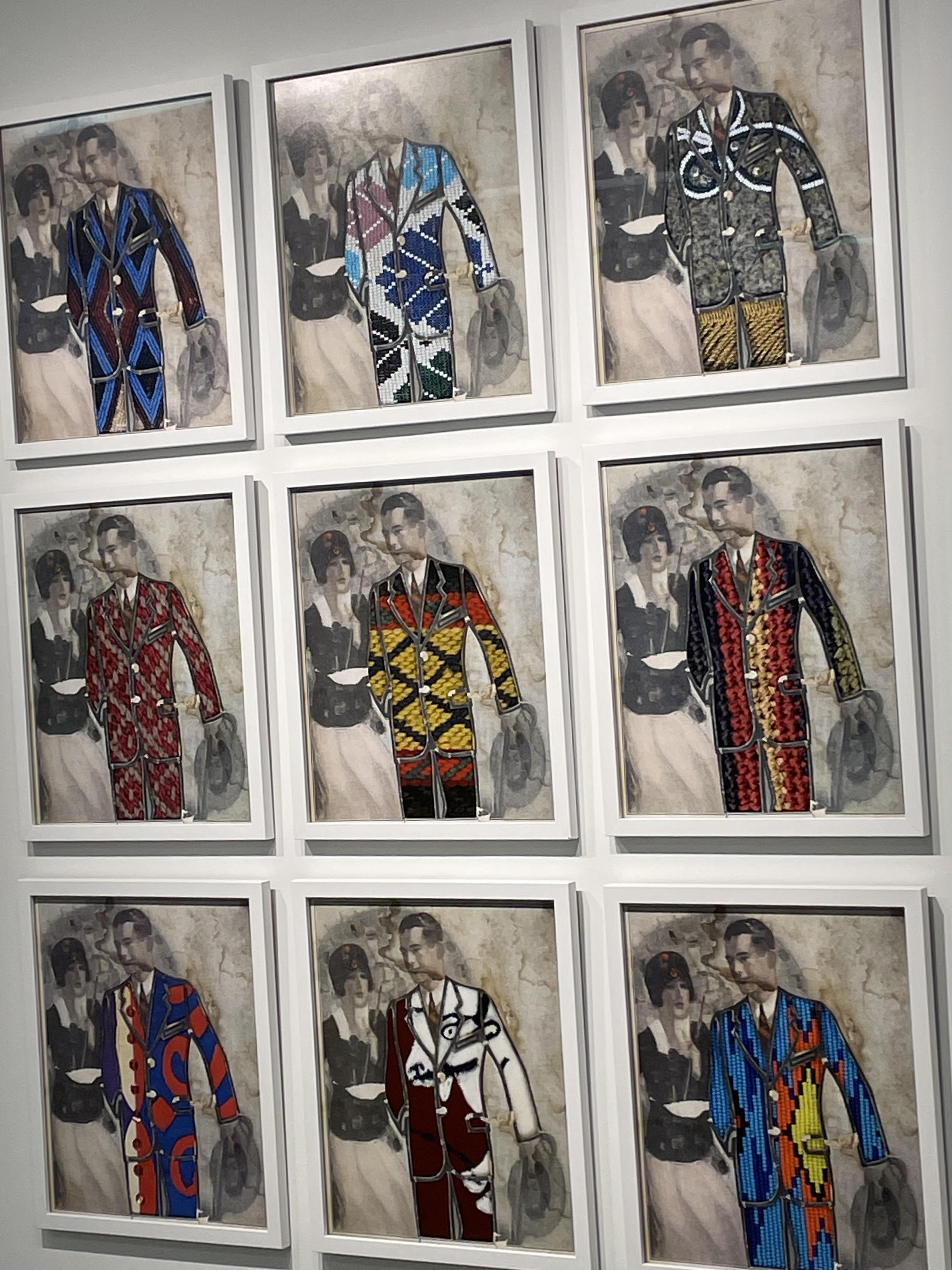
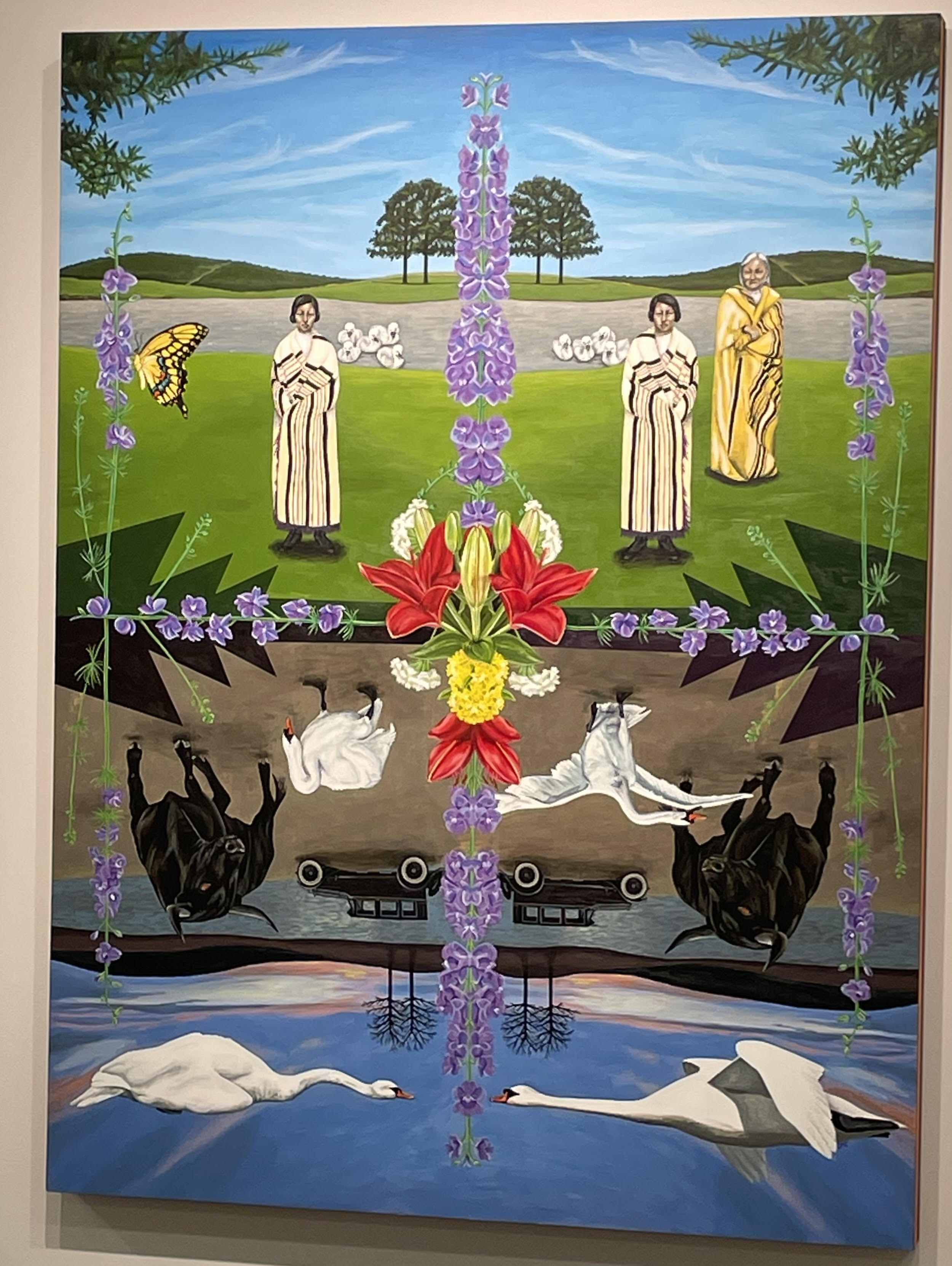
CHICAGO — Comtemporary Native American fine art graces the walls of the Center for Native Futures (CfNF), in the heart of Chicago's Loop, which held the grand opening of its art gallery on Saturday afternoon. Eager art fans arrived early and by the scheduled time for the event arrived, the galley was packed with members of the Chicago Native American community and members of the public who were excited to see the fine art.
Founded in 2020, the Center for Native Futures, a non-profit fine arts organization operates the gallery with the same name. CfNF grew out a vision to have an art galley so that Native American artists in Chicago could have a place to exhibit their contemporary Native art. Native Americans founded the non-profit, run the organization, and the art gallery. The two leading co-founders were Debra Yepa-Pappan (Jemez Pueblo), CfNF’s director of exhibition & programs and Monica Rickcrt-Bolter (Prairie Band Potawatomi Nation) the organization's director of operations,
It is the first Native Amercan art gallery in Chicago. Its prime location is in the heart of Chicago's Loop, directly across the street from alder’s Flamingo sculpture at Federal Square, at 56 West Adams.

"We've never really had a space like this in the city of Chicago. We're here representing. We're in charge. We're the ones representing ourselves here. So, this really means alot to us," Debra Yepa-Pappan (Jemez Pueblo), CfNF’s co-founder and director of exhibition & programs.
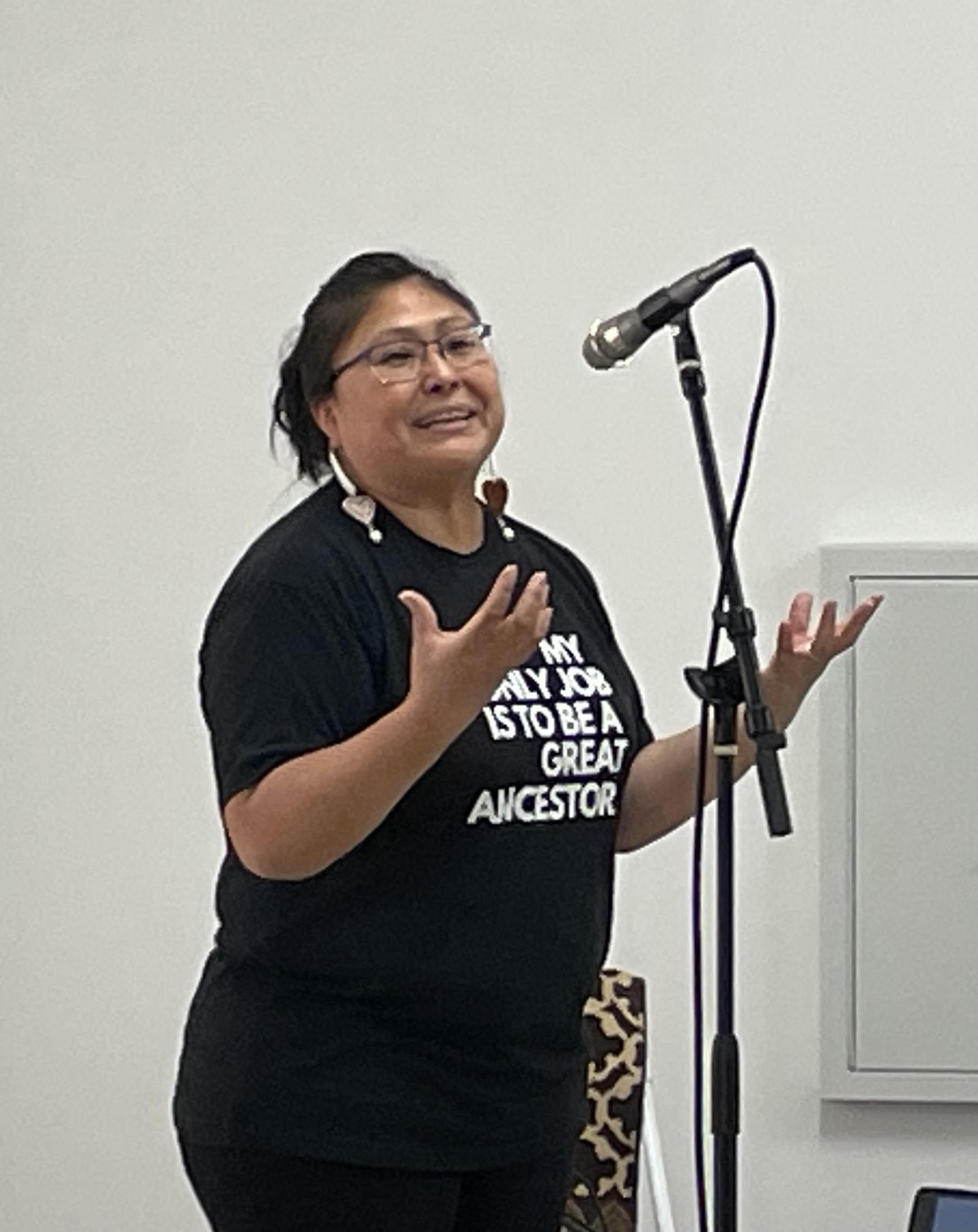
Because of a family emergency, Monica Rickcrt-Bolter (Prairie Band Potawatomi Nation), CfNF's co-founder and director of operations, was unable to be present on Saturday afternoon, but sent a statement that was read by Yepa-Pappan.
"Far too often Native narratives have been filled with heartache and are restricted to a place in history. We have a future that no longer needs to be shaped by outside limitations." Rickert-Bolter said in her statement.
The Native futures theme is rooted in "Indigenous Futurism" that if often used in science fiction. “Indigenous Futurism isn’t only limited to science fiction; through art, we’re turning visions into reality," Yepa-Pappan explains.
"Indigenous Futurism(s) are artistic means for expanding possibilities and realities by imagining our realities without colonial limitations. The definition of this term is ever-changing and dynamic," reads the CfNF's webstie.
Andrea Carlson (Ojibwe), another co-founder said that visitors may be surprised that the art made by contemporary Native artists may not be consistent with what they have come to expect as being Native American art.
"They're going to be people that show up to this space that may think I don't see this as authentic Native art. To me, it's like: 'It's challenging you and those expectations that you bring to us and you're saddling us with those expectations or stereotypes.' We're allowed to change. We're not monolithic. We're doing different things with different materials that we have access to now and when we're saying different things. So I think that's this space is going to support all that," Carlson told Native News Online. "We can imagine our futures. We can put on the walls what we want to see--and who betten than us?"
Photos by Levi Rickert
More Stories Like This
Zuni Youth Enrichment Project Takes Top Emerging Artist Apprentices to Phoenix for Artistic Exploration and Cultural ImmersionFrom Dishwasher to Award-Winning Chef: Laguna Pueblo's Josh Aragon Serves Up Albuquerque's Best Green Chile Stew
Rob Reiner's Final Work as Producer Appears to Address MMIP Crisis
Vision Maker Media Honors MacDonald Siblings With 2025 Frank Blythe Award
First Tribally Owned Gallery in Tulsa Debuts ‘Mvskokvlke: Road of Strength’
Help us defend tribal sovereignty.
At Native News Online, our mission is rooted in telling the stories that strengthen sovereignty and uplift Indigenous voices — not just at year’s end, but every single day.
Because of your generosity last year, we were able to keep our reporters on the ground in tribal communities, at national gatherings and in the halls of Congress — covering the issues that matter most to Indian Country: sovereignty, culture, education, health and economic opportunity.
That support sustained us through a tough year in 2025. Now, as we look to the year ahead, we need your help right now to ensure warrior journalism remains strong — reporting that defends tribal sovereignty, amplifies Native truth, and holds power accountable.
 The stakes couldn't be higher. Your support keeps Native voices heard, Native stories told and Native sovereignty defended.
Stand with Warrior Journalism today.
Levi Rickert (Potawatomi), Editor & Publisher