- Details
- By Native News Online Staff
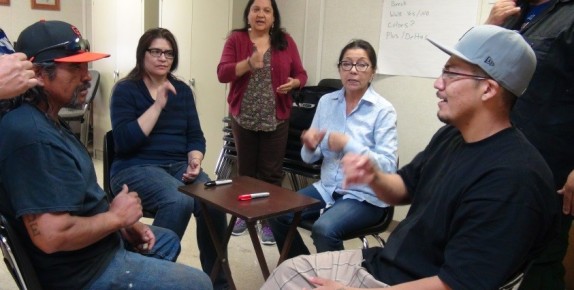
WASHINGTON — Forty-five years ago today, the Native American Programs Act of 1974 (NAPA) was signed into law on January 4, 1975.
This NAPA launched the Administration for Native Americans (ANA) and contains the guiding principles which helps promote the goals of economic and social self-sufficiency for federal and state recognized tribes, American Indian and Alaska Native organizations, Native Hawaiian organizations and Native populations throughout the Pacific Basin (including American Samoa, Guam, and the Commonwealth of the Northern Mariana Islands).
Emerging from the importance of Native American self-sufficiency, NAPA places community members at the heart of lasting, positive change. ANA funds three program areas: Social and Economic Development Strategies, Native Languages, and Environmental Regulatory Enhancement (all ANA funding opportunity announcements are published on www.Grants.gov).
Some of these program areas include:
- ANA promotes self-sufficiency in communities through Social and Economic Development Strategies (SEDS) grants, which support community-based projects that increase the ability for Native Americans to define and achieve their own economic and social goals.
- The Esther Martinez Immersion program supports the development of culturally and linguistically vibrant Native American communities. These projects revitalize Native languages to ensure survival and continuing vitality for future generations.
- The Native Language Preservation and Maintenance program supports the planning, designing, restoration, and implementing of Native language curriculum and education projects.
- The Environmental Regulatory Enhancement program provides tribes with resources to develop legal, technical and organizational capacities for protecting their natural environments.
More Stories Like This
Native News Weekly (August 25, 2024): D.C. BriefsUS Presidents in Their Own Words Concerning American Indians
Two Murdered on Colville Indian Reservation
NDAA passes House; Lumbee Fairness Act Advances
NFL, Vikings to Host Native All-American Game, Youth Flag Clinic
Help us defend tribal sovereignty.
At Native News Online, our mission is rooted in telling the stories that strengthen sovereignty and uplift Indigenous voices — not just at year’s end, but every single day.
Because of your generosity last year, we were able to keep our reporters on the ground in tribal communities, at national gatherings and in the halls of Congress — covering the issues that matter most to Indian Country: sovereignty, culture, education, health and economic opportunity.
That support sustained us through a tough year in 2025. Now, as we look to the year ahead, we need your help right now to ensure warrior journalism remains strong — reporting that defends tribal sovereignty, amplifies Native truth, and holds power accountable.
 The stakes couldn't be higher. Your support keeps Native voices heard, Native stories told and Native sovereignty defended.
Stand with Warrior Journalism today.
Levi Rickert (Potawatomi), Editor & Publisher