- Details
- By Nanette Kelley
HOOPA, Calif. — With COVID-19 cases on the rise, the Hoopa Valley Tribe is working to flatten the curve.
The tribe has reported 46 positive COVID-19 cases as of Aug. 24, which is nearly double their case count at the beginning of the month.
The tribe previously reported 24 cases on Aug. 6, an outbreak which helped elevate the entire county to its highest daily COVID-19 case record. Seven cases are currently active, with no deaths.
The reservation is currently closed, with a stay-at-home order in place for residents. Only essential businesses are allowed to be open.
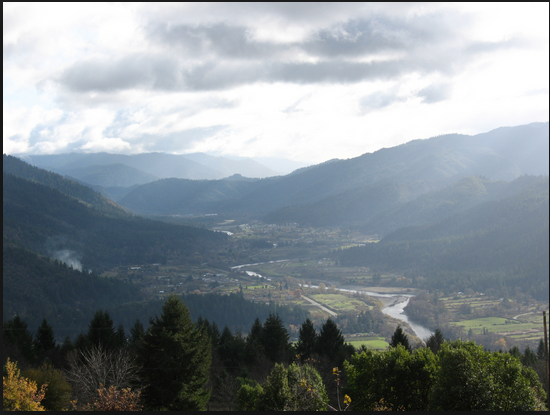
The Hoopa Valley Tribe reservation sits in one of the most scenic valleys of Humboldt County, and is situated along the southern border of the Yurok reservation and includes parts of the Trinity and Klamath Rivers.
The tribe, which has a population of about 3,500, has reported 46 COVID-19 cases since the start of the outbreak, but that number also includes individuals who may live in the surrounding area.
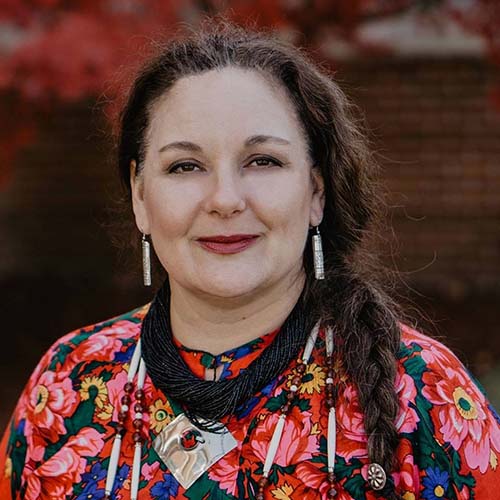
“The media has pegged us as a Hoopa outbreak, but this is a community outbreak,” said Deputy Incident Commander Wendy Ferris-George (Hupa, Karuk).
Positive cases may have come from anywhere. Some patients may have homes elsewhere and brought it in from another area, as not all residents of the Hoopa Valley Reservation are tribal citizens. “We have a whole part of the Yurok reservation in the Hoopa zip code,” said Operations Section Chief Allie Hostler (Hupa/Yurok).
The Hoopa Valley Reservation is a small, isolated rural community that is underresourced and struggles to retain doctors.
“We’ve requested a full incident commander come in from FEMA and an epidemiologist from the CDC will be coming in a week,” said Hostler.
“We can’t completely close down the reservation, we don’t have the resources,” Hostler added, noting that the tribe has both a short-term and long-term plan of action.
In the short term, the reservation will stay closed with a stay-at-home order in place. A food service is being offered to those in quarantine or isolation, and the tribe’s hotel is being used for those who don’t have the space to isolate. Moreover, supplies like masks, PPE, bleach and sanitizers are being distributed to all tribal members, and contact tracing efforts continue.
“It’s hard to predict what numbers will show,” Hostler said.
The long-term plan involves the inventory of all food and supplies on the reservation in order to create a large-scale food plan, which will require them to determine how much food needs to be stories and what refrigeration is needed.
“We can’t take donations because we don’t have the resources to clean them,” Hostler said, adding that the community uses separate dumpster sites for the trash of residents who are isolating due to COVID-19.
Hostler stressed concern for all elders on the reservation. “We have a couple of programs that provide services for our elders, but we want to provide more,” she said. Hostler added that the K’ima:w Medical Center delivers hot meals to elders every day and offers an outreach nurse.
As the tribe implements their plans with limited human resources, they see an urgent need for more federal collaboration.
“Policies need to be put into place between the tribe and the federal government,” Ferris-George said.
For now, both Hostler and Ferris-George are focusing on the needs of their community, which they said is doing a good job of following orders and staying safe while putting some aspects of their culture on hold.
“It’s really hard on our people because we are outdoor people. Our religion is centered around the Hoopa community, and water and the river and our ceremonies,” Ferris-George said. “In small communities you don’t have visitors for the first time, it’s because they care about you.”
More Stories Like This
Native News Weekly (August 25, 2024): D.C. BriefsUS Presidents in Their Own Words Concerning American Indians
Two Murdered on Colville Indian Reservation
NDAA passes House; Lumbee Fairness Act Advances
NFL, Vikings to Host Native All-American Game, Youth Flag Clinic
Help us defend tribal sovereignty.
At Native News Online, our mission is rooted in telling the stories that strengthen sovereignty and uplift Indigenous voices — not just at year’s end, but every single day.
Because of your generosity last year, we were able to keep our reporters on the ground in tribal communities, at national gatherings and in the halls of Congress — covering the issues that matter most to Indian Country: sovereignty, culture, education, health and economic opportunity.
That support sustained us through a tough year in 2025. Now, as we look to the year ahead, we need your help right now to ensure warrior journalism remains strong — reporting that defends tribal sovereignty, amplifies Native truth, and holds power accountable.
 The stakes couldn't be higher. Your support keeps Native voices heard, Native stories told and Native sovereignty defended.
Stand with Warrior Journalism today.
Levi Rickert (Potawatomi), Editor & Publisher