- Details
- By Native News Online Staff
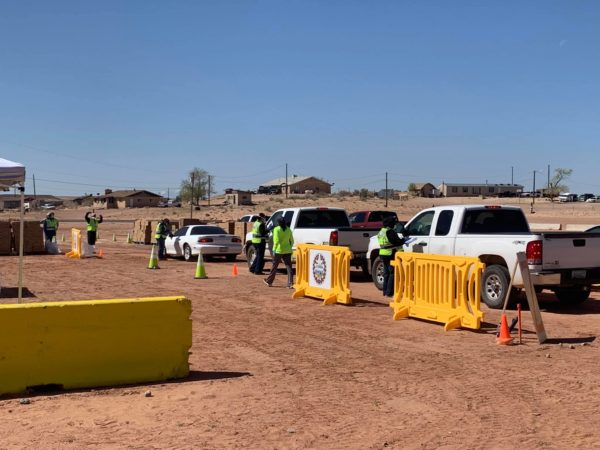
WINDOW ROCK, Ariz. — If you are interested in donating to the Navajo Nation to assist the tribe in its efforts to stop the spread of the deadly novel coronavirus, you can donate money and non-monetary medical items to the newly formed Navajo Nation COVID-19 Fund.
The COVID-19 has taken its toll on the Navajo Indian Reservation, the largest reservation in the country. With over 1,200 confirmed coronavirus cases and a death toll that has reached 48 as of Tuesday, April 21, the Navajo Nation is facing financial difficulties.
The Navajo Health Command Operation Center in coordination with Navajo Nation Attorney General Doreen N. McPaul and Navajo Nation Controller Pearline Kirk, established the Navajo Nation COVID-19 Fund to respond to donation inquiries effectively.
The Navajo Nation COVID-19 Fund was established as a means to coordinate contributions to the Navajo Nation. Donated items will be tracked and documented for accounting purposes.
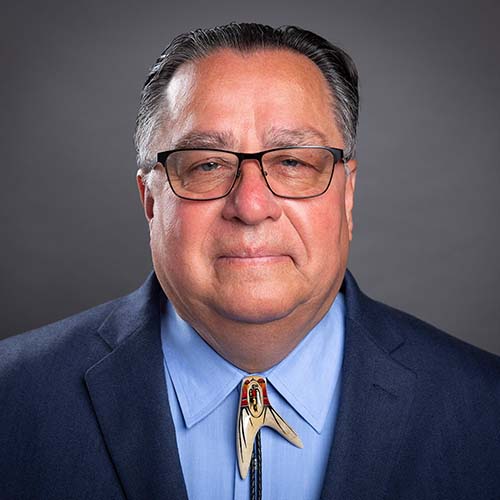
"The Navajo Nation is facing an unprecedented challenge with the spread of COVID-19. We are very grateful for the support and donations we have received from individuals, businesses, and other agencies. We need strong partnerships to respond and combat the virus. The Navajo Nation government is using its own resources and services to respond to the pandemic. However, we need continued support to fight the virus," Navajo Nation President Jonathan Nez said.
All charitable contributions to the Navajo Nation COVID-19 Fund are tax-deductible by the donor for federal income, estate, and gift tax purposes. Written acknowledgment of donation will be provided upon request to the donor. The Navajo Nation qualifies under Section 7871(a) of the Internal Service Code for purposes of receiving public or charitable distributions.
All donations are coordinated through the Navajo Nation Department of Justice, which facilitates monetary donations through the Navajo Nation Office of the Controller and non-monetary contributions through the health command center’s Operations and Logistics Sections. All donations are documented to comply with Federal Emergency Management Agency reporting requirements and Navajo Nation laws on accepting donations.
The Navajo Nation's immediate medical needs include N95 masks, face shields, non-latex gloves (nitrile), medical-grade gloves, goggles/eye protection, surgical and isolation masks, isolation and level II surgical gowns, Tyvek coveralls, surgical caps, shoe covers, thermometers (no touch scan), portable pulse oximeters, ventilators, hand sanitizers, disinfecting wipes and sprays, alcohol-based wipes, and others.
The community needs include disposable masks, fabric masks, cleaning supplies, liquid hand soap, hand sanitizer, toiletries, thermometers, paper products, non-perishable food, bottled water, baby necessities (formula, diapers, wipes), livestock feed, hay, pet food, firewood, coal, and others.
The Navajo Nation has been made aware of other entities and individuals who are also soliciting donations for tribal members – President Nez and Vice President Lizer urge everyone to work in coordination with the official “Navajo Nation COVID-19 Fund” to ensure that contributions are distributed to those families and communities most in need and for accountability purposes.
The leaders also caution everyone to be aware of potential scams that attempt to take advantage of individuals.
The official webpage for donations to the Navajo Nation, which has further details on how to support the Nation’s Dikos Ntsaaígíí-19 (COVID-19) efforts is: http://www.nndoh.org/donate.html. You can also contact the HCOC Donation Branch directly at (928) 871-6206 or by email to [email protected].
More Stories Like This
Native News Weekly (August 25, 2024): D.C. BriefsUS Presidents in Their Own Words Concerning American Indians
Two Murdered on Colville Indian Reservation
NDAA passes House; Lumbee Fairness Act Advances
NFL, Vikings to Host Native All-American Game, Youth Flag Clinic
Help us defend tribal sovereignty.
At Native News Online, our mission is rooted in telling the stories that strengthen sovereignty and uplift Indigenous voices — not just at year’s end, but every single day.
Because of your generosity last year, we were able to keep our reporters on the ground in tribal communities, at national gatherings and in the halls of Congress — covering the issues that matter most to Indian Country: sovereignty, culture, education, health and economic opportunity.
That support sustained us through a tough year in 2025. Now, as we look to the year ahead, we need your help right now to ensure warrior journalism remains strong — reporting that defends tribal sovereignty, amplifies Native truth, and holds power accountable.
 The stakes couldn't be higher. Your support keeps Native voices heard, Native stories told and Native sovereignty defended.
Stand with Warrior Journalism today.
Levi Rickert (Potawatomi), Editor & Publisher