- Details
- By Native News Online Staff
Happy December. Here are some of the stories you may have missed during the long Thanksgiving weekend:
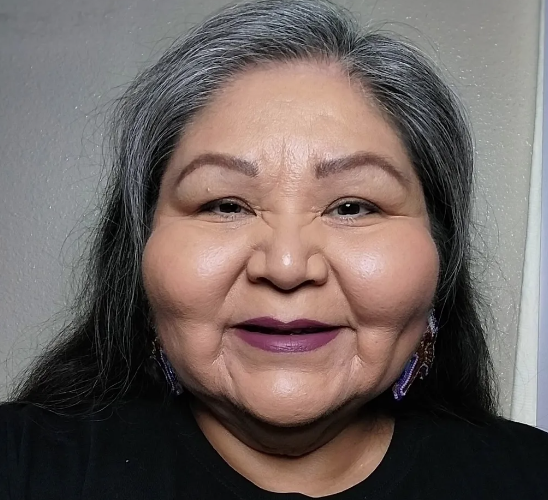
Indigenous Actor Elaine Miles Reports Detention by Alleged ICE Agents
Indigenous actor Elaine Miles says she was walking to a bus stop in Redmond, Wash. when four men wearing masks and vests labeled “U.S. Immigration and Customs Enforcement” stepped out of two unmarked black SUVs and demanded her identification, according to an account she shared on social media and in reporting by The Seattle Times.
Miles — best known for her roles in Northern Exposure, Smoke Signals, Wyvern and The Last of Us — said she handed the men her tribal ID from the Confederated Tribes of the Umatilla Indian Reservation in Ore. Tribal IDs are recognized by federal agencies, and Miles has used hers to travel across the U.S.-Canada and U.S.-Mexico borders without issue, The Seattle Times reported.
But Miles said one of the men dismissed the card as “fake,” while another told her, “Anyone can make that.”
Encounters between immigration agents and Indigenous people remain uncommon. Still, as immigration enforcement has intensified in the Seattle area, Miles’ experience has heightened concerns among Native communities, according to The Seattle Times. She said both her son and her uncle were previously detained by ICE agents who initially refused to accept their tribal IDs before releasing them.
Tribal IDs Are Federally Recognized. ICE Agents Are Ignoring Them.
Native Americans — whose ancestors were the first inhabitants of this land — are being stopped by masked ICE agents across the country. Why? Because some agents see darker-skinned individuals as potential undocumented immigrants based solely on appearance.
It’s an assault on identity, on tribal sovereignty, and on basic human dignity.
Our most-read article on Native News Online this week involved Native American actress Elaine Miles, who was detained by four ICE agents while walking to a bus stop in Redmond, Wash., near Seattle.
San Manuel Tribe Reclaims Ancestral Name, Faces Vandalism on Holiday
This past April, the San Manuel Band of Mission Indians formally reclaimed its ancestral name, now identifying as the Yuhaaviatam of San Manuel Nation.
The tribe highlighted its reclaimed name on a billboard along Interstate 10, a heavily traveled corridor, to raise awareness of the change.
Early on Thanksgiving Day, the billboard was vandalized with an anti-Indigenous message and an American flag draped over the left portion. The message read: "America is not on stolen land. Your ancestors were conquered. Happy Thanksgiving."
More Stories Like This
Native News Weekly (August 25, 2024): D.C. BriefsUS Presidents in Their Own Words Concerning American Indians
Native News Weekly (November 30, 2025): D.C. Briefs
Indigenous Actor Elaine Miles Reports Detention by Alleged ICE Agents
Help us tell the stories that could save Native languages and food traditions
At a critical moment for Indian Country, Native News Online is embarking on our most ambitious reporting project yet: "Cultivating Culture," a three-year investigation into two forces shaping Native community survival—food sovereignty and language revitalization.
The devastating impact of COVID-19 accelerated the loss of Native elders and with them, irreplaceable cultural knowledge. Yet across tribal communities, innovative leaders are fighting back, reclaiming traditional food systems and breathing new life into Native languages. These aren't just cultural preservation efforts—they're powerful pathways to community health, healing, and resilience.
Our dedicated reporting team will spend three years documenting these stories through on-the-ground reporting in 18 tribal communities, producing over 200 in-depth stories, 18 podcast episodes, and multimedia content that amplifies Indigenous voices. We'll show policymakers, funders, and allies how cultural restoration directly impacts physical and mental wellness while celebrating successful models of sovereignty and self-determination.
This isn't corporate media parachuting into Indian Country for a quick story. This is sustained, relationship-based journalism by Native reporters who understand these communities. It's "Warrior Journalism"—fearless reporting that serves the 5.5 million readers who depend on us for news that mainstream media often ignores.
We need your help right now. While we've secured partial funding, we're still $450,000 short of our three-year budget. Our immediate goal is $25,000 this month to keep this critical work moving forward—funding reporter salaries, travel to remote communities, photography, and the deep reporting these stories deserve.
Every dollar directly supports Indigenous journalists telling Indigenous stories. Whether it's $5 or $50, your contribution ensures these vital narratives of resilience, innovation, and hope don't disappear into silence.
 The stakes couldn't be higher. Native languages are being lost at an alarming rate. Food insecurity plagues many tribal communities. But solutions are emerging, and these stories need to be told.
Support independent Native journalism. Fund the stories that matter.
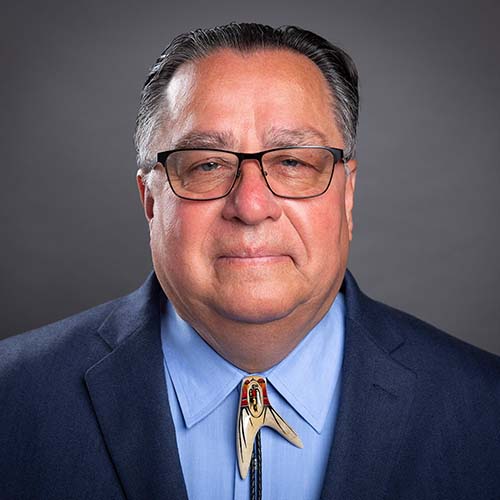
Levi Rickert (Potawatomi), Editor & Publisher