- Details
- By Native News Online Staff
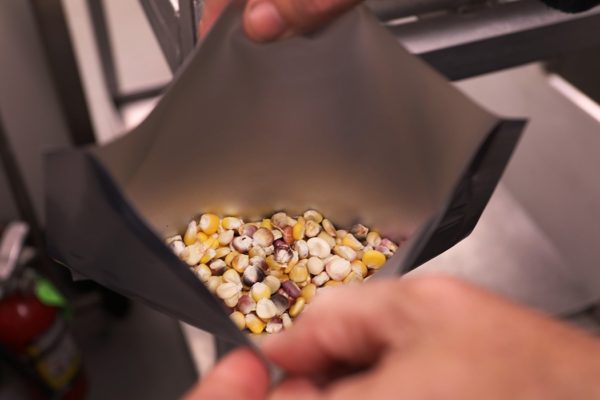
A bipartisan group of lawmakers on Thursday reintroduced the Native American Seeds Act of 2025, legislation designed to help Tribal nations protect and preserve culturally significant seeds threatened by climate change, contamination, and other environmental pressures.
The bill, led by Reps. Norma J. Torres, D-Calif., and Doug LaMalfa, R-Calif., along with Sens. Martin Heinrich, D-N.M., and Mike Crapo, R-Idaho, would give the Department of the Interior more flexibility to support Tribes developing seed banks and engaging in traditional agricultural practices.

“Traditional seeds hold centuries of knowledge, culture, and resilience,” Torres said in a statement. “This bill recognizes the fundamental importance of preserving these seeds — not just for food security, but for the cultural, spiritual, and environmental legacy they carry.”
LaMalfa said the measure would help protect plants vital to Tribal identity. “Protecting native heritage starts with making sure seeds that hold traditional importance aren’t lost to disaster or neglect,” he said. “This legislation gives Tribes the flexibility they need to preserve and grow these plants on their own terms.”
Heinrich said the bill would bolster cultural and economic sustainability in Indian Country. “This effort will grow local economies in Indian Country and help ensure Tribal members remain connected to their culture and heritage,” he said.
Crapo said the legislation supports Tribal sovereignty while strengthening traditional food systems. “By empowering tribal self-governance and equipping native communities with the tools to preserve traditional agriculture systems and culturally significant seeds, we can help safeguard these deeply rooted practices for generations to come,” he said.
Tribal leaders welcomed the legislation, citing the growing threats to traditional seed stocks from drought, wildfire, invasive species, and changing weather patterns.
Governor Earl Samuel of the Pueblo of Tesuque said the bill would support efforts to protect seeds and agricultural systems that “have nourished us physically, culturally, and spiritually since time immemorial.”
“The Tesuque people have always had an unbroken relationship with plants for food and medicine,” he said. “This bill will help us foster our deep connections to these plants.”
Donna Thompson, chairwoman of the Fort Hall Business Council of the Shoshone-Bannock Tribes, said the measure responds to the federal government’s treaty obligations and supports the preservation of culturally important foods such as camas, bitterroot, wild onions, sage, and chokecherry.
“This bill will help the federal government honor its obligations under the Fort Bridger Treaty of 1868 and enable future generations to continue our traditional ways of life,” Thompson said.
According to lawmakers, the bill also aims to strengthen Tribal food security, improve health outcomes, and increase agricultural opportunities in Native communities.
Original cosponsors include Sens. Ruben Gallego, D-Ariz.; Ben Ray Luján, D-N.M.; and Jim Risch, R-Idaho.
More Stories Like This
Native News Weekly (August 25, 2024): D.C. BriefsUS Presidents in Their Own Words Concerning American Indians
Hozhonigo Institute Helps Drive $34.5M in Grant Pipeline for Tribal Communities
Navajo Mother Welcomes Federal Charges in 2020 Killing of Her Son
Help us defend tribal sovereignty.
At Native News Online, our mission is rooted in telling the stories that strengthen sovereignty and uplift Indigenous voices — not just at year’s end, but every single day.
Because of your generosity last year, we were able to keep our reporters on the ground in tribal communities, at national gatherings and in the halls of Congress — covering the issues that matter most to Indian Country: sovereignty, culture, education, health and economic opportunity.
That support sustained us through a tough year in 2025. Now, as we look to the year ahead, we need your help right now to ensure warrior journalism remains strong — reporting that defends tribal sovereignty, amplifies Native truth, and holds power accountable.
 The stakes couldn't be higher. Your support keeps Native voices heard, Native stories told and Native sovereignty defended.
Stand with Warrior Journalism today.
Levi Rickert (Potawatomi), Editor & Publisher