- Details
- By Kaili Berg
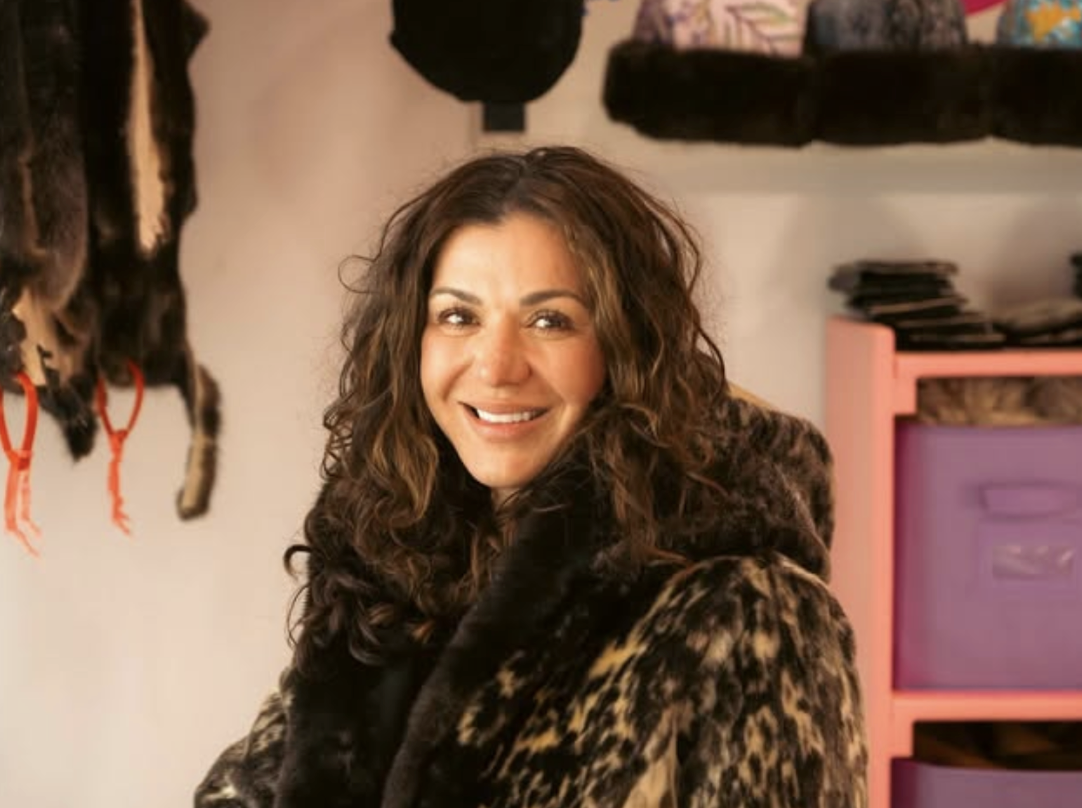
Tlingit hunter, fisherwoman, and artisan Heather Douville (Shank’weidi Wolf Clan), known by her traditional name Kootink', is using modern media to carry forward cultural traditions.
Born and raised on Alaska’s Prince of Wales Island, Douville has built a digital following through her honest and grounded storytelling, sharing her experiences hunting, sewing furs, processing traditional foods, and living in close relationship with the land and sea.
Her newest project, Our Way of Life (Haa Kusteeyí), marks her debut in long-form storytelling with the popular outdoor brand MeatEater.
The series, which premiered this fall, follows Douville and her father through the Tlingit seasons of harvest, featuring traditional practices such as seal hunting and processing, herring spawn, salmon smoking, and handcrafted halibut hook carving.
Native News Online spoke with Douville about her journey, her collaboration with MeatEater, and what it means to share her community’s story on her own terms.
Tell me a little bit about yourself and what inspired you to start what you’re doing today?
My tradition. So I did that, and I left and went down to what we call the Lower 48, and I was gone for quite some time. But there’s always been this pull to come home, and this has just always felt like home. After about nine or ten years of being gone, I started that journey of growing, and I did. It began when I was 28.
I had always sewn skins from the time I was a kid. I learned how to sew skins when I was eight. I returned during the colder months, which is a more dormant period for all of us. I got out some skins and furs that my dad had gifted me and started sewing again. I asked him to teach me how to hunt, and that’s really where the journey began.
I’m a late bloomer. During the last ten years, I’ve grown so much and hope to always be a student. During that time, I wasn’t active on social media at all, but after about four or five years, I decided to sign up for Instagram and started posting the things my dad taught me and all the different harvest seasons. There was no goal other than sharing. My dad is such a treasure and a wealth of knowledge, and part of our values is to be generous and share knowledge.
I just wanted to share that in case it could help somebody else reconnect or learn. It did, and surprisingly it grew so fast. I’ve always kept my social media page aligned with what we’re doing or not doing.
There are times I don’t post for weeks or months, and other times I post every day. It just depends on how I feel. Maintaining that balance is really important; it always needs to stay grounded in the purpose of why I started it.
With Our Way of Life, what inspired you to bring the series to life, and why now?
There have been opportunities presented to me through other avenues, other networks, that I’ve declined in the past. This door opened with MeatEater, and it wasn’t an easy decision. I loved working for my regional tribe and my team. I honestly still feel like I’m part of that team.
It was a difficult decision, but I talked to my tribal president, my dad, some elders, people I respect, my clan, my community, and my team. They told me, “You have to do this.”
What made me decide were two things. My niece, who was 10 at the time, was watching influencers and wanting to be like them. I was watching her grow up in two worlds, helping us cut fish and deer with her dad, but also looking up to girls online who didn’t look like us or do what we do.
I didn’t do it for myself. I did it for youth, for my niece and all Indigenous youth, so they could see people like them just being who they are, celebrating and practicing their culture on platforms where we don’t have much representation.
The second reason was that, out of all the networks I spoke with, I felt MeatEater would allow me to be present in the process. I didn’t want to hand my story over for someone else to shape. I trusted my intuition that this would be different.
And I was right. MeatEater has never once asked me to be, say, or do anything other than myself.
Within the show, you share a lot of traditions with your dad. What was it like working alongside him and sharing that relationship on camera?
This is funny — I didn’t realize my dad and I had such a funny relationship until I watched the episodes. I was laughing at how we talk to each other! Anyone else could say those things and I’d be mad, but it’s my dad, so I just laugh.
It’s amazing to have these memories documented, this knowledge passed down in something tangible you can watch. Our cultures have survived through storytelling, and to actually see it happening is incredible.
There was a learning curve because usually it’s quiet on the boat — everyone just knows what to do. But for filming, we had to talk and explain things aloud.
I decided to name the show Our Way of Life, which in my language is simplified in English. It’s about preparing foods, practicing culture, sewing, weaving, and carving — it encompasses everything.
The series dives into seal hunting, herring spawn, and salmon smoking. Why was it important to feature those specific traditions?
We kicked off with traditional foods and selected topics we were okay sharing, because not everything is shareable. Some practices, especially marine mammal hunting, exist within systems not designed to support us, so it’s for federal compliance that we have to do certain things.
This was an opportunity to share a story much bigger than myself — the strength of our people practicing these ways.
How did shifting from social media to a full production with MeatEater change your approach to storytelling?
It was a learning curve, like with journalism. There are cultural differences and protocols that you just know in your community. Social media is like your personal space; you share what you want. Filming was different.
But the team made it comfortable. They respected our pace and culture.
The visuals are stunning. How did you and the team work to capture the emotion and spirit of Alaska?
Our cinematographer Maggie captures those slow, beautiful, almost ASMR-like shots. You can feel her touch in those moments. Garrett is on the boat with us, capturing everything constantly — the jokes, the quiet parts.
The balance of the crew’s skills made it work. I feel lucky; they just get it.
What do you hope non-Native audiences take away from Our Way of Life, and what do you hope it means for Indigenous viewers?
In our culture, we don’t think in terms of goals or messages. It’s less about reaching an outcome and more about being true to the process, the relationships, and the places that shaped it. The story carries its own teaching, and each viewer will have their own takeaway.
Looking ahead, how do you see Our Way of Life growing or influencing future projects that spotlight Indigenous foodways, hunting, and culture?
Personally, I don’t want to commercialize our way of life. Having these memories documented is rewarding enough.
If it grows, that’s great, but it should stay rooted and grounded in how it began. I’d love to visit other nations and uplift their stories in a way that aligns with their values.
I just don’t want it to become a “formula.” Every nation’s story is unique.
More Stories Like This
Chickasaw Holiday Art Market Returns to Sulphur on Dec. 6Center for Native Futures Hosts Third Mound Summit on Contemporary Native Arts
Filmmakers Defend ‘You’re No Indian’ After Demand to Halt Screenings
A Native American Heritage Month Playlist You Can Listen to All Year Long
11 Native Actors You Should Know
Help us defend tribal sovereignty.
At Native News Online, our mission is rooted in telling the stories that strengthen sovereignty and uplift Indigenous voices — not just at year’s end, but every single day.
Because of your generosity last year, we were able to keep our reporters on the ground in tribal communities, at national gatherings and in the halls of Congress — covering the issues that matter most to Indian Country: sovereignty, culture, education, health and economic opportunity.
That support sustained us through a tough year in 2025. Now, as we look to the year ahead, we need your help right now to ensure warrior journalism remains strong — reporting that defends tribal sovereignty, amplifies Native truth, and holds power accountable.
 The stakes couldn't be higher. Your support keeps Native voices heard, Native stories told and Native sovereignty defended.
Stand with Warrior Journalism today.
Levi Rickert (Potawatomi), Editor & Publisher