- Details
- By Kaili Berg
Thanksgiving is often celebrated in the United States as a time for gratitude, family, and feasting.
The narrative taught in schools and popularized in the media paints a harmonious picture of the Pilgrims and Native Americans sharing a peaceful meal in 1621.

However, for many Native Americans, Thanksgiving represents a more complex and painful history that intertwines themes of resilience, loss, and survival.
The story of Thanksgiving often erases the broader context of colonization, which brought disease, displacement, and violence to Indigenous peoples. While the feast shared by the Wampanoag Nation and the Pilgrims in 1621 did occur, it was not the idyllic partnership many are taught to believe.
The Wampanoag, led by Chief Massasoit, helped the struggling colonists survive their first winter, but this alliance was challenging. Over the following decades, the arrival of European settlers led to the decimation of Native populations through war, broken treaties, and land theft.
For Indigenous communities, Thanksgiving serves as a reminder of this history. The holiday is often associated with the beginning of widespread colonization and the subsequent struggles faced by Native nations to preserve their lands, cultures, and sovereignty.
For some, Thanksgiving is even a day of mourning. The National Day of Mourning, observed by some Indigenous people since 1970, takes place on Thanksgiving Day in Plymouth, Massachusetts. It is a time to reflect on the loss of land, lives, and culture that followed European colonization.
Organized by the United American Indians of New England, the event honors ancestors and calls attention to the continued struggles of Indigenous peoples, including issues like land rights, sovereignty, and the protection of sacred sites.
Despite its painful historical associations, Thanksgiving can also be a time for Indigenous communities to reclaim and reinterpret the holiday.
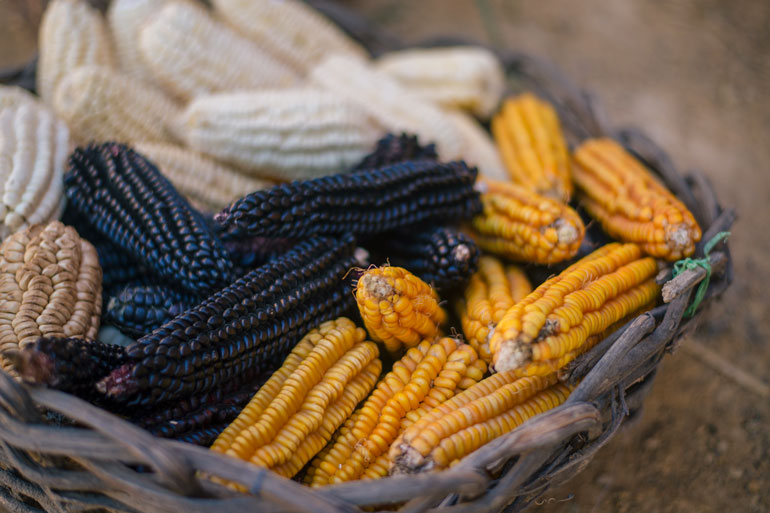
For some, it is an opportunity to celebrate resilience, community, and cultural survival. Many families gather to share traditional foods and give thanks for the land, each other, and their traditions. These gatherings often serve as acts of resistance, showcasing Indigenous food sovereignty.
Thanksgiving also highlights the importance of educating non-Natives about the true history of the holiday and its impact on Indigenous peoples.
Many leaders and organizations encourage Americans to recognize the contributions of Native Americans to the nation's history and to acknowledge the land on which they live. Land acknowledgment statements, discussions of history, and support for Indigenous-led initiatives can help shift the narrative toward greater understanding and respect.
To truly honor the spirit of Thanksgiving, it is vital to recognize its complexities and approach the holiday with mindfulness and respect.
Non-Native people can honor Indigenous perspectives during Thanksgiving by acknowledging the land they live on and the history of Indigenous peoples who lived here first, support Native organizations, artists, and businesses, and advocate for policies that support sovereignty and well-being.
By doing so, Thanksgiving can become not just a time for personal gratitude but also a moment to reflect on shared histories and collective responsibilities.
More Stories Like This
Native News Weekly (August 25, 2024): D.C. BriefsUS Presidents in Their Own Words Concerning American Indians
NDAA passes House; Lumbee Fairness Act Advances
NFL, Vikings to Host Native All-American Game, Youth Flag Clinic
Senate Committee on Indian Affairs Passes 12 Bills to Strengthen Tribal Communities
Help us defend tribal sovereignty.
At Native News Online, our mission is rooted in telling the stories that strengthen sovereignty and uplift Indigenous voices — not just at year’s end, but every single day.
Because of your generosity last year, we were able to keep our reporters on the ground in tribal communities, at national gatherings and in the halls of Congress — covering the issues that matter most to Indian Country: sovereignty, culture, education, health and economic opportunity.
That support sustained us through a tough year in 2025. Now, as we look to the year ahead, we need your help right now to ensure warrior journalism remains strong — reporting that defends tribal sovereignty, amplifies Native truth, and holds power accountable.
 The stakes couldn't be higher. Your support keeps Native voices heard, Native stories told and Native sovereignty defended.
Stand with Warrior Journalism today.
Levi Rickert (Potawatomi), Editor & Publisher