- Details
- By Native News Online Staff
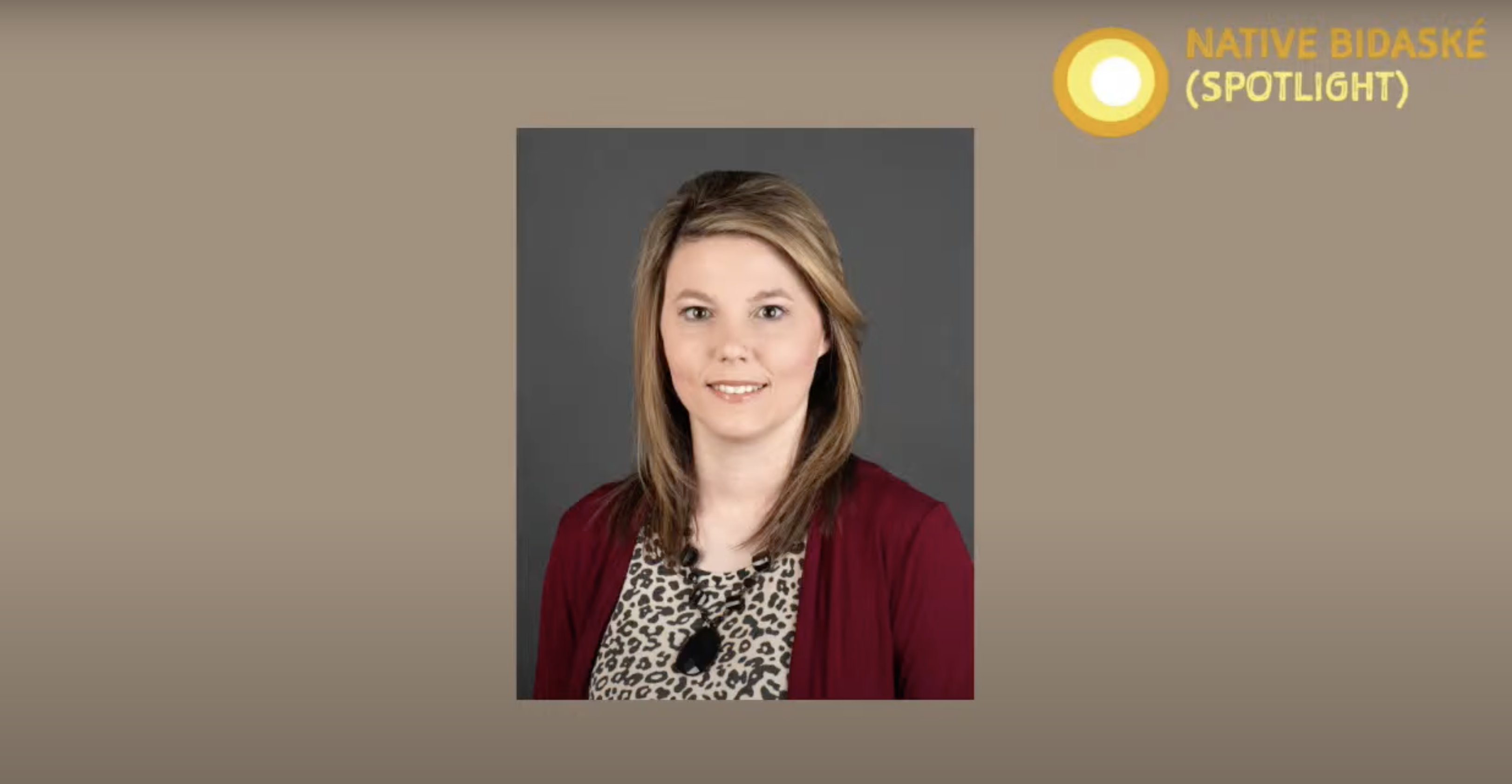
In conjunction with National Stalking Awareness, on last week’s Native Bidaské (Spotlight), Editor Levi Rickert welcomed Kayla Woody, a domestic violence prevention specialist at the House of Hope, to discuss the signs of stalking and how to get help.
House of Hope is a program through the Citizen Potawatomi Nation that offers free assistance to all individuals, Native or non-Native, who have experienced intimate partner violence, sexual assault, and/or stalking.
 Make A Donation Here
“Stalking doesn't discriminate; it doesn't matter your gender, your economic status, your race, ethnicity, or your sexual orientation,” Woody said. “Stalking can happen to anyone.”
When asked to share national figures on stalking, Woody stated that, “1 in 2 Native women in their lifetime are going to experience those stalking behaviors. Which is quite a bit higher than just the normal national average, where we see nationally 1 in 3 women will experience stalking.”

“When we see stalking, we think about what we've seen on TV, a person you know kind of lurking in the dark or hiding behind something but that's not always the case. A lot of times the stalker wants you to know they are there,” Woody said.
During the interview, Rickert asked Woody about identifying stalking, how stalkers use technology to their advantage and more.
Watch the episode on our YouTube channel, or view the embedded video below.
Link to video: https://youtu.be/hacjFFEoHEo
More Stories Like This
Native News Weekly (August 25, 2024): D.C. BriefsUS Presidents in Their Own Words Concerning American Indians
Two Murdered on Colville Indian Reservation
NDAA passes House; Lumbee Fairness Act Advances
NFL, Vikings to Host Native All-American Game, Youth Flag Clinic
Help us defend tribal sovereignty.
At Native News Online, our mission is rooted in telling the stories that strengthen sovereignty and uplift Indigenous voices — not just at year’s end, but every single day.
Because of your generosity last year, we were able to keep our reporters on the ground in tribal communities, at national gatherings and in the halls of Congress — covering the issues that matter most to Indian Country: sovereignty, culture, education, health and economic opportunity.
That support sustained us through a tough year in 2025. Now, as we look to the year ahead, we need your help right now to ensure warrior journalism remains strong — reporting that defends tribal sovereignty, amplifies Native truth, and holds power accountable.
 The stakes couldn't be higher. Your support keeps Native voices heard, Native stories told and Native sovereignty defended.
Stand with Warrior Journalism today.
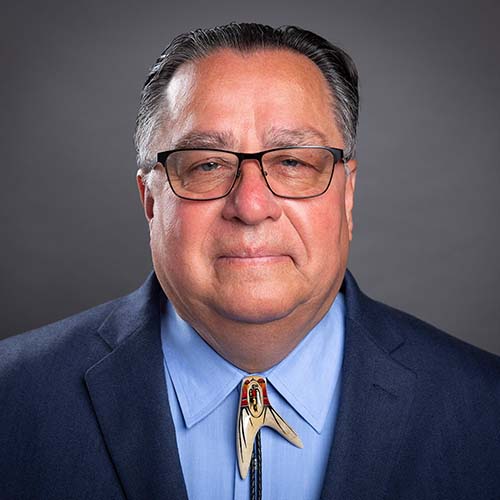
Levi Rickert (Potawatomi), Editor & Publisher