- Details
- By Native News Online Staff
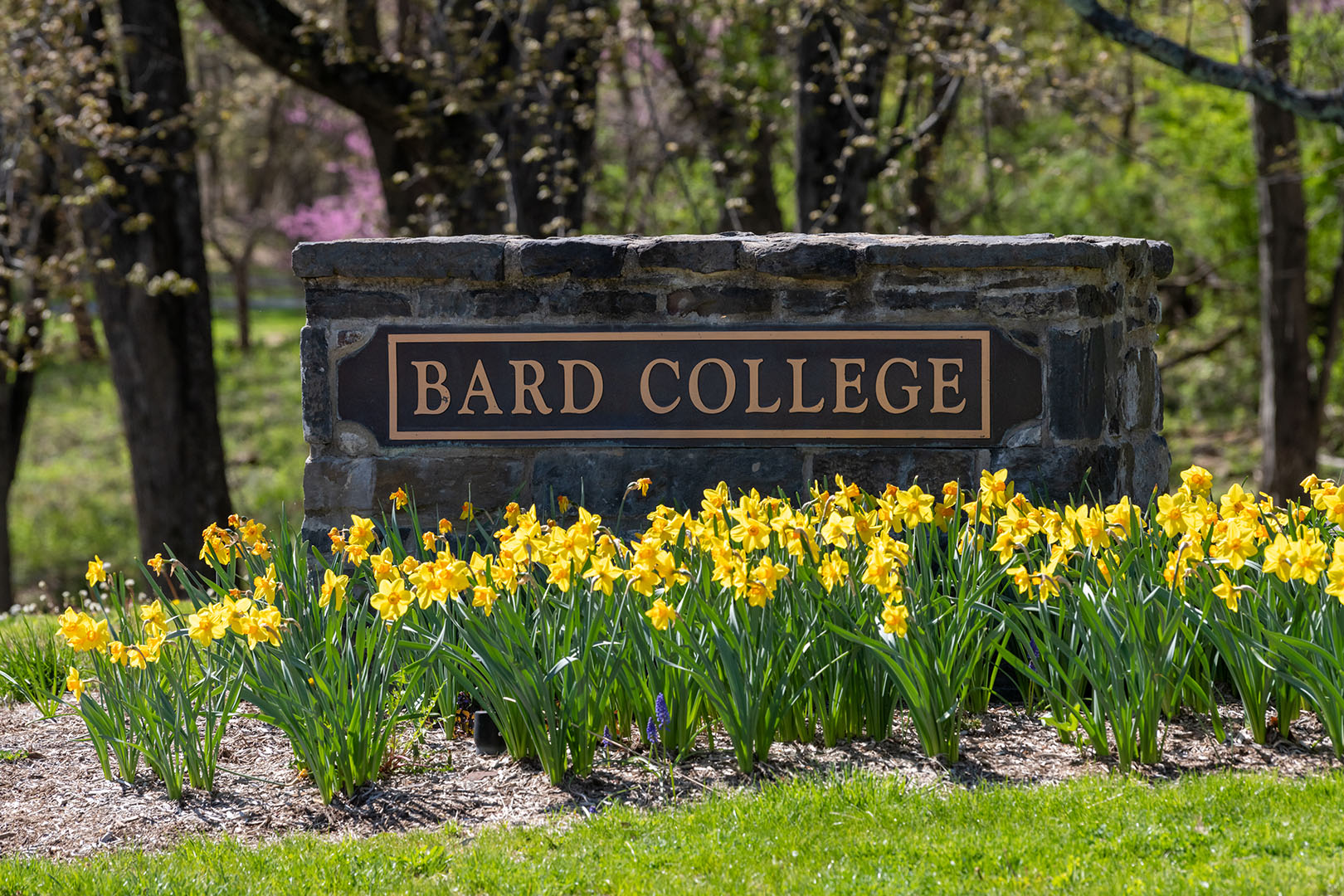
The funding will back a pivot in the college’s programming to expand its American Studies Program — now renamed the Native American and Indigenous Studies — “to place Native American and Indigenous Studies at the heart of curricular innovation and development,” the college said in a statement.
The $50 million — supported by the Gochman Family Foundation and matched by the Open Society Foundation — will also go toward increasing student enrollment from marginalized communities through scholarship funding.
According to the school’s website, approximately 1,800 undergraduate students are attending Bard College. Of its incoming student body class this fall, one percent of students self-reported as Native American or Alaska Native; another one percent said they were Native Hawaiian or other Pacific Islander; and eight percent identified as multi-racial.
Funds will also go toward increasing Native American public programming, visiting scholars and publishing, the college said in a statement.
To carry out the work, Bard College will consult with Candice Hopkins (Carcross/Tagish First Nation), executive director at the Forge Project — a new Native-led initiative based in upstate New York that works to decolonize education. Additionally, Hopkins will join the faculty at the Center for Curatorial Studies at Bard in the newly established role of Fellow in Indigenous Art History and Curatorial Studies.
Hopkins said that the funding, paired with Bard College’s mission, represents “institutional change” by reducing barriers to higher education for Native students while also bolstering Indigenous programming and staff to serve them.
“These lands are layered with histories that are inextricably bound by the displacement and forced removal of Indigenous peoples, yet also rich with knowledge,” Hopkins said in a statement. “This gift provides the basis for the future building of this knowledge, to shift and expand discourses across fields of study, whether it be in Indigenous and American studies, art history, or curatorial practice.”
Tell Us What You Think
More Stories Like This
Native Students Can Win $5,000 Scholarship, International Distribution in Pendleton Design ContestAmerican Indian College Fund Raises Alarm Over Plan to Shift Native Programs Away From the Dept. of Education
MacKenzie Scott Foundation Gives $5 Million Contribution to Little Priest Tribal College
Tribal Leaders Push Back on Dismantling of U.S. Department of Education
American Indian College Fund Names 12 Student Ambassadors for 2025–26
Help us defend tribal sovereignty.
At Native News Online, our mission is rooted in telling the stories that strengthen sovereignty and uplift Indigenous voices — not just at year’s end, but every single day.
Because of your generosity last year, we were able to keep our reporters on the ground in tribal communities, at national gatherings and in the halls of Congress — covering the issues that matter most to Indian Country: sovereignty, culture, education, health and economic opportunity.
That support sustained us through a tough year in 2025. Now, as we look to the year ahead, we need your help right now to ensure warrior journalism remains strong — reporting that defends tribal sovereignty, amplifies Native truth, and holds power accountable.
 The stakes couldn't be higher. Your support keeps Native voices heard, Native stories told and Native sovereignty defended.
Stand with Warrior Journalism today.
Levi Rickert (Potawatomi), Editor & Publisher