



- Details
- By Chuck Hoskin Jr
Guest Opinion. For the Cherokee people and for people everywhere, true freedom is impossible without control over our own food supply. Tribal nations have long suffered the ill effects of being pushed out of our lands, denied our well-developed traditional strategies for food production, and forced to rely on outside sources for the food we consume.
Food insecurity stemming from historical trauma has lowered the health and life expectancy of many Native Americans. Unfortunately, one in six Oklahomans struggle with hunger, and one in four are food insecure, which means they lack consistent access to enough food for an active, healthy lifestyle. Those numbers are even higher among Native households.

As the Cherokee people navigated through the pandemic, our food systems were tested even more. During the crisis, we saw more clearly how our food supply was vulnerable to disruption. The pandemic made clearer what many local ranchers, farmers and others in the agriculture industry already knew – that there is a great need in our region to expand capacity for local, sustainable meat processing.
The meat processing industry, across the United States, is largely controlled by a handful of corporate processors. This is bad for farmers and ranchers as well as consumers. It also means that our tribe’s economy sees millions of dollars annually flow outside of our reservation instead of circulating within it. All of this impacts the Cherokee people and our friends and neighbors in a negative way.
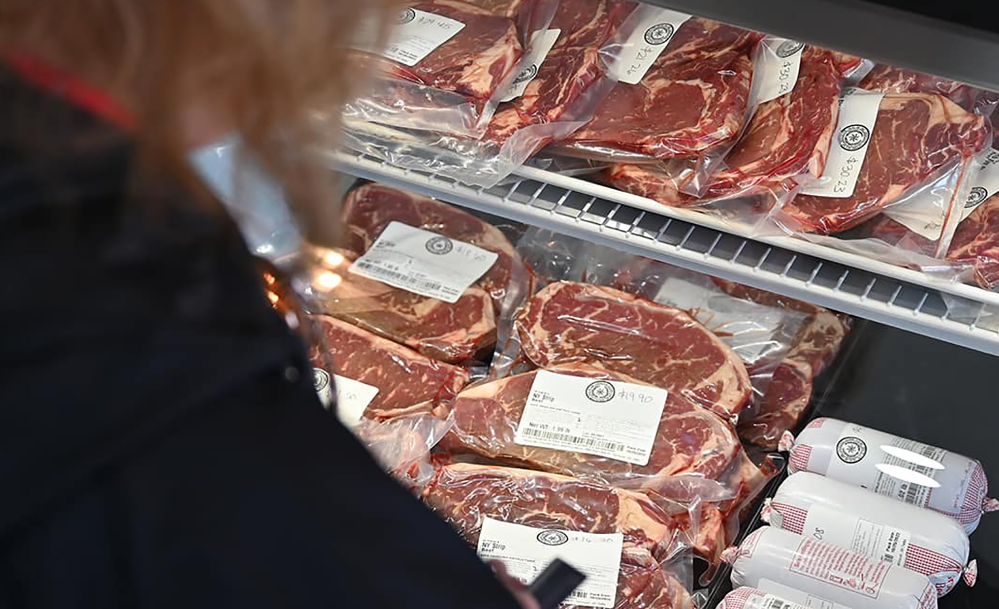
All of this is why we have launched the 1839 Cherokee Meat Co. This newly opened 12,000 square foot meat processing facility in Tahlequah is a huge stride towards food sovereignty for the Cherokee Nation. The facility, which is operated by the tribe’s business arm, is already providing meat processing for local producers and providing our communities with safe, high-quality meat. They offer a variety of meats, including beef and pork, with buffalo and wild game processing of deer and elk available in the future.

The facility will continue growing and will eventually establish a farm-to-table operation with Cherokee Nation’s bison herd to supplement our traditional food distribution program for elders and families in need.
The 1839 Cherokee Meat Co. is our boldest effort yet to reclaim our food sovereignty and strengthen our economy by keeping more of the dollars that we spend on food within the great Cherokee Nation reservation. Ranchers, farmers and others in the agriculture industry work extremely hard to keep our families fed and our economy moving. It is in the national interest of the Cherokee Nation that they have fair access to the marketplace. By directly addressing the meat processing shortage with our own facility, we support locally sourced food for the benefit of Cherokee citizens and the region’s economy.
A responsible government puts a high priority on making food easier to produce, process, and distribute for all citizens. That’s why the Cherokee Nation government, including Deputy Chief Bryan Warner and I, our cabinet, the Council of the Cherokee Nation and tribal government staff, work every day to make sure Cherokee families can get enough healthy food. We have listened to the concerns and requests of our citizens.
To learn more about the 1839 Cherokee Meat Co. and inquire about processing services, visit www.1839cherokeemeatco.com.
Chuck Hoskin, Jr. is the principal chief of the Cherokee Nation.
More Stories Like This
The Absence of October's Job Report Shows Why Native American Communities Need Better DataTribal IDs Are Federally Recognized. ICE Agents Are Ignoring Them.
Thanksgiving: Part of "Broken Circle Holiday"
Thanksgiving is a Tradition. It's Also a Lie
Decisions About Us, Without Us: Education Dismantling Ignores Tribal Nations
Help us defend tribal sovereignty.
At Native News Online, our mission is rooted in telling the stories that strengthen sovereignty and uplift Indigenous voices — not just at year’s end, but every single day.
Because of your generosity last year, we were able to keep our reporters on the ground in tribal communities, at national gatherings and in the halls of Congress — covering the issues that matter most to Indian Country: sovereignty, culture, education, health and economic opportunity.
That support sustained us through a tough year in 2025. Now, as we look to the year ahead, we need your help right now to ensure warrior journalism remains strong — reporting that defends tribal sovereignty, amplifies Native truth, and holds power accountable.
 The stakes couldn't be higher. Your support keeps Native voices heard, Native stories told and Native sovereignty defended.
Stand with Warrior Journalism today.
Levi Rickert (Potawatomi), Editor & Publisher