



- Details
- By Darren Thompson
On Friday, January 14, U.S. Representative Dina Titus (D-Las Vegas) said during a press conference in Las Vegas that she plans on introducing legislation to Congress designated to make an area south of Las Vegas a national monument within the next few days.
In a letter to Interior Secretary Deb Haaland on Wednesday, January 12, U.S. Rep. Titus wrote, “We have an opportunity to preserve a place of deep sacred reverence filled with natural wonders and vibrant scenery of several mountain ranges. Avi Kwa Ame is the Mojave name for Spirit Mountain, the center of creation for Yuman-speaking tribes, and the surrounding landscape. While Spirit Mountain enjoys permanent protection as part of Lake Mead National Recreation Area, the sacred landscape associated with it is still in need of permanent protection.”
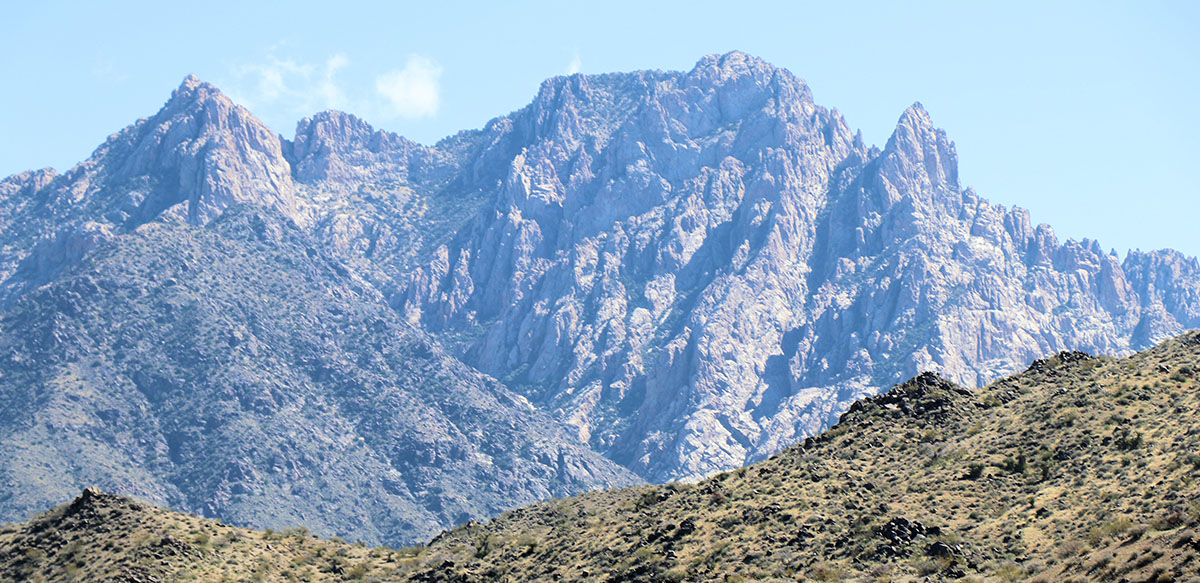
The area she hopes to memorialize surrounds Spirit Mountain, a mountain within the Lake Mead National Recreation Area near Laughlin, Nevada known to some Tribes as Avi Kwa’ Ame (meaning Spirit Mountain in Mojave), which has been listed on the United States National Register of Historic Place since 1999 for its cultural significance for Tribes in Southern Nevada.
Want more Native News? Get the free daily newsletter today.
The proposed Avi Kwa Ame National Monument is a 450,000-acre area in Southern Nevada that includes what some Tribes say is culturally significant and biologically diverse. The proposed area of the national monument is 703 square miles and contains scenic peaks, canyons, Joshua trees, bighorn sheep migration routes, grasslands, and petroglyphs.
“Our creation story places us directly in the center of this area," said Vice-Chairman of the Fort Mojave Tribe Shan Lewis during a press conference on Friday in Las Vegas. “Our efforts are to protect these places of significance and sacredness while maintaining their integrity as a place of home and worship. There are nine other tribes whose creation story begins at Avi Kwa Ame.”
Support for the proposed national monument has gained support over the last few months, including from opponents of a proposed wind farm in the area. Others have voiced their support as well.
“Anytime land is set aside for conservation is good for our people and those yet to come,” said Chairman of the Walker River Paiute Tribe Amber Torres to Native News Online. “We need to preserve as much of our ancestral homelands as possible. We need our congressional leaders to support and stand behind this as well.”
U.S. Rep. Titus’s letter to Interior Secretary Haaland and Council on Environmental Quality Chair Brenda Mallory last Wednesday was to urge support for Titus's forthcoming legislation.
There is an online petition, Honor Avi Kwa Ame, supporting the proposed Avi Kwa Ame National Monument. The proposed Avi Kwa Ame National Monument is supported by Tribes, conservation and recreation groups, business leaders, and elected officials.
If legislation of the proposed monument were to pass, it would permanently protect nearly 450,000 acres of lands within the Mojave Desert.
More Stories Like This
Southern Sierra Miwuk Nation Gets 900-Acres ofLand BackChilkat Indian Village Tells New Palmer Mine Owners They Are “Not Welcome” in Chilkat Valley
Tribes, Coastal Group Ask Army Corps to Revoke Permit for Texas Export Terminal
Michigan Tribes Tell Supreme Court: Don’t Bail Out Enbridge
Alaskans Raise More Than $1 Million For Communities Devastated by Typhoon Halong
Help us defend tribal sovereignty.
At Native News Online, our mission is rooted in telling the stories that strengthen sovereignty and uplift Indigenous voices — not just at year’s end, but every single day.
Because of your generosity last year, we were able to keep our reporters on the ground in tribal communities, at national gatherings and in the halls of Congress — covering the issues that matter most to Indian Country: sovereignty, culture, education, health and economic opportunity.
That support sustained us through a tough year in 2025. Now, as we look to the year ahead, we need your help right now to ensure warrior journalism remains strong — reporting that defends tribal sovereignty, amplifies Native truth, and holds power accountable.
 The stakes couldn't be higher. Your support keeps Native voices heard, Native stories told and Native sovereignty defended.
Stand with Warrior Journalism today.
Levi Rickert (Potawatomi), Editor & Publisher