



- Details
WASHINGTON — Time is running out for American Indians and Alaska Natives (AIAN) to get counted in the Census 2020. And the timeline just got shorter because the U.S. Census Bureau announced on Monday, Aug. 3, 2020, the final deadline for the Census is Sept. 30, 2020, instead of Oct. 31, 2020.
The Census is the effort to conduct an official count of the citizens of the United States and is conducted only every ten years.
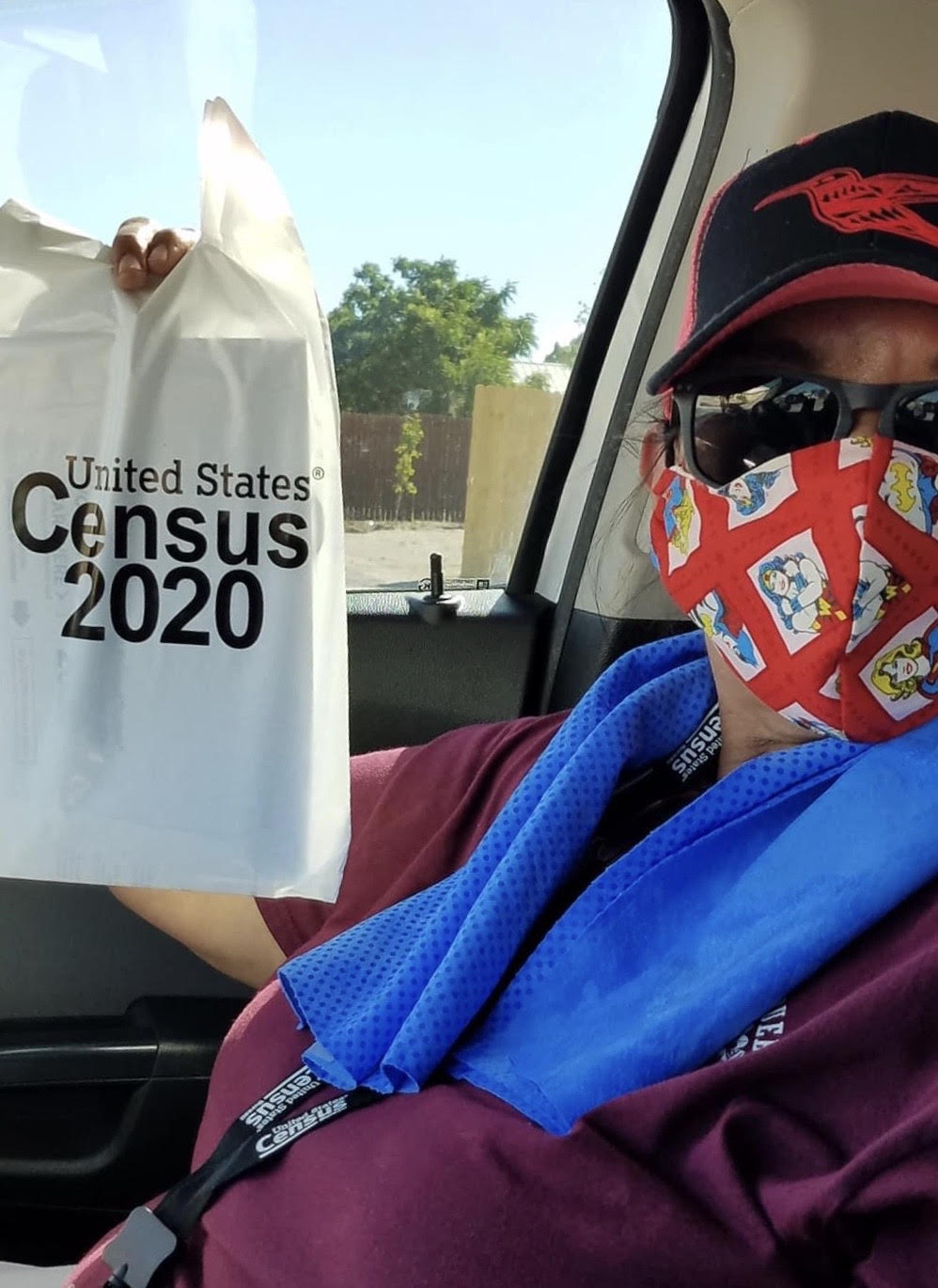
Representatives from the U.S. Census Bureau recently offered an opportunity for Native news outlets to learn about their efforts to enhance the accurate completion of this year’s Census in Indian Country. According to Jessica Imotichey, Tribal Partnership Coordinator, L.A. Region, U.S. Census Bureau, the Census Bureau is currently conducting a coordinated Non-Response Follow Up (NORFU) effort to help increase responses from tribal nations, which vary widely.
To help complete the Census more accurately and efficiently, Census workers are going door-to-door in many communities to ensure that everyone gets counted once and only once. According to the Census Bureau representatives, the NORFU operation started with a soft launch in Boise, Idaho in July and is officially running through Aug. 11.
The Census is aware of health concerns regarding COVID-19 throughout Indian Country, and they have taken extra steps to ensure that proper health and safety protocols are in place to address concerns for health and safety. They are ensuring that Census workers on the ground are utilizing social distancing measures as well as using masks and hand sanitizer when they visit homes.
The Census also realizes that trust is an issue for Native Americans to feel comfortable responding to the Census, so they have ensured that identification badges will be worn to properly identify Census workers.
Response rates in Indian Country can be tracked on the Census website which has an on-demand response rate map that shows the response rates for each tribal nation around the country. The response rate for several tribes in Washington State is high, but many others are currently showing lower response rates, thus the follow-up efforts on behalf of the Census Bureau.
Community-based efforts are working to enhance Census response rates including the California Native Vote Project, which has received grant funding to conduct specific outreach in Native communities. Robin Thundershield, California Native Vote Project, 2020 Census Partner shared that they are launching a multi-pronged approach including in-person community events throughout the state, education forums at universities and colleges, and radio broadcasts including a broadcast on Southern California Tribal Newscast sctca.net that was broadcast on Saturday, Aug. 1, 2020.
Gathering an accurate Census count is critical to AIAN communities as they have been undercounted many times in the past. This undercount can negatively affect federal funding opportunities including TANF and Native American Employment and Training programs. In-person outreach has been shown to be critical to encouraging Native community members to complete the Census.
Virtual community outreach has also been conducted through several events that have gotten community participation and involvement including a Virtual Run at the Cahuilla Band of Indians in Anza, Calif.
Organizations such as National Congress of American Indians (NCAI) are also getting involved in outreach efforts by offers a press kit with tools and resources for outreach, and Native People Count has a resource and toolkit page as well.
More information can be found at www.2020census.gov
More Stories Like This
Native News Weekly (August 25, 2024): D.C. BriefsUS Presidents in Their Own Words Concerning American Indians
Native News Weekly (December 14, 2025): D.C. Briefs
Wounded Knee Massacre Site Protection Bill Passes Congress
Two Murdered on Colville Indian Reservation
Help us defend tribal sovereignty.
At Native News Online, our mission is rooted in telling the stories that strengthen sovereignty and uplift Indigenous voices — not just at year’s end, but every single day.
Because of your generosity last year, we were able to keep our reporters on the ground in tribal communities, at national gatherings and in the halls of Congress — covering the issues that matter most to Indian Country: sovereignty, culture, education, health and economic opportunity.
That support sustained us through a tough year in 2025. Now, as we look to the year ahead, we need your help right now to ensure warrior journalism remains strong — reporting that defends tribal sovereignty, amplifies Native truth, and holds power accountable.
 The stakes couldn't be higher. Your support keeps Native voices heard, Native stories told and Native sovereignty defended.
Stand with Warrior Journalism today.
Levi Rickert (Potawatomi), Editor & Publisher