
- Details
- By Native News Online Staff
The Pokagon Band of Potawatomi Indians of Michigan and Indiana and Michigan’s Cannabis Regulatory Agency have signed the state’s second tribal-state cannabis compact, giving the tribe access to Michigan’s licensed adult-use cannabis market.
The Pokagon Band legalized adult-use cannabis on its tribal lands in April 2023 and opened its Rolling Embers retail store and consumption lounge. Until now, the business could not participate in Michigan’s licensed adult-use market or conduct transactions with state-licensed cannabis businesses.
Under the compact, Rolling Embers will be able to use the same wholesale and distribution channels as state-licensed dispensaries and participate in Michigan’s statewide seed-to-sale marijuana tracking system, known as Metrc.
Please support our year-end campaign. CLICK HERE TO DONATE.

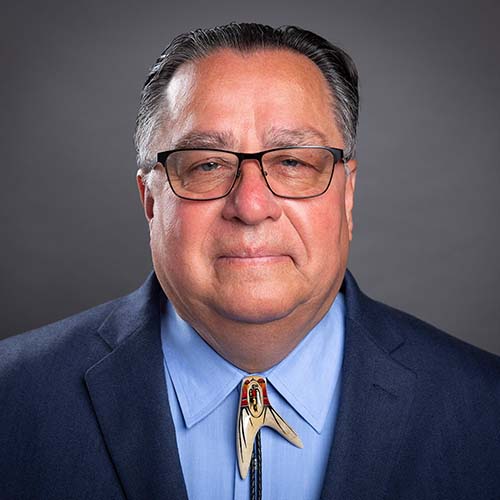
“The Pokagon Band and the State of Michigan have enjoyed a long-standing relationship built on mutual cooperation and respect for each other’s sovereignty that benefits both Michiganders and our Tribal Citizens,” Tribal Council Chairman Matthew Wesaw said in a statement. “We are pleased to have agreed on a framework that respects tribal jurisdiction, while accounting for legitimate state interests, to further advance our common goal of expanding commerce in Michigan’s cannabis industry.”
Cannabis Regulatory Agency Executive Director Brian Hanna said the agreement reflects a shared commitment to a safe and well-regulated cannabis market.
“This agreement provides regulatory clarity, supports responsible commerce, and advances our mutual goal of protecting public health and safety,” Hanna said.
The compact allows the Pokagon Band to buy cannabis from and sell cannabis to state licensees, transport cannabis off tribal lands for those transactions, integrate into Metrc and work with the state on inspections and enforcement.
The agreement also requires the tribe to share a portion of its cannabis excise tax revenue with the state to cover the costs of administering the compact. Remaining revenue will be used to support tribal government programs and regional projects.
State officials and tribal leaders say other federally recognized tribes in Michigan have expressed interest in similar agreements, which they say can reduce jurisdictional confusion, build consumer trust and help protect public health and safety.
More Stories Like This
50 Years of Self-Determination: How a Landmark Act Empowered Tribal Sovereignty and Transformed Federal-Tribal RelationsPrairie Band Potawatomi Native Divests Its ICE Contract
Breaking: Lumbee Tribe Set for Federal Recognition Under NDAA Passed by Senate
Treasury Finalizes Tribal Tax Rules Ending Decades of Uncertainty
Help us defend tribal sovereignty.
At Native News Online, our mission is rooted in telling the stories that strengthen sovereignty and uplift Indigenous voices — not just at year’s end, but every single day.
Because of your generosity last year, we were able to keep our reporters on the ground in tribal communities, at national gatherings and in the halls of Congress — covering the issues that matter most to Indian Country: sovereignty, culture, education, health and economic opportunity.
That support sustained us through a tough year in 2025. Now, as we look to the year ahead, we need your help right now to ensure warrior journalism remains strong — reporting that defends tribal sovereignty, amplifies Native truth, and holds power accountable.
 The stakes couldn't be higher. Your support keeps Native voices heard, Native stories told and Native sovereignty defended.
Stand with Warrior Journalism today.
Levi Rickert (Potawatomi), Editor & Publisher