- Details
- By Levi Rickert
American Indian and Alaska Native leaders from throughout Indian Country voiced their opposition to Homeland Security using tribal lands to house internment or detention camps, citing historical precedent, violations of tribal sovereignty and environmental harm.
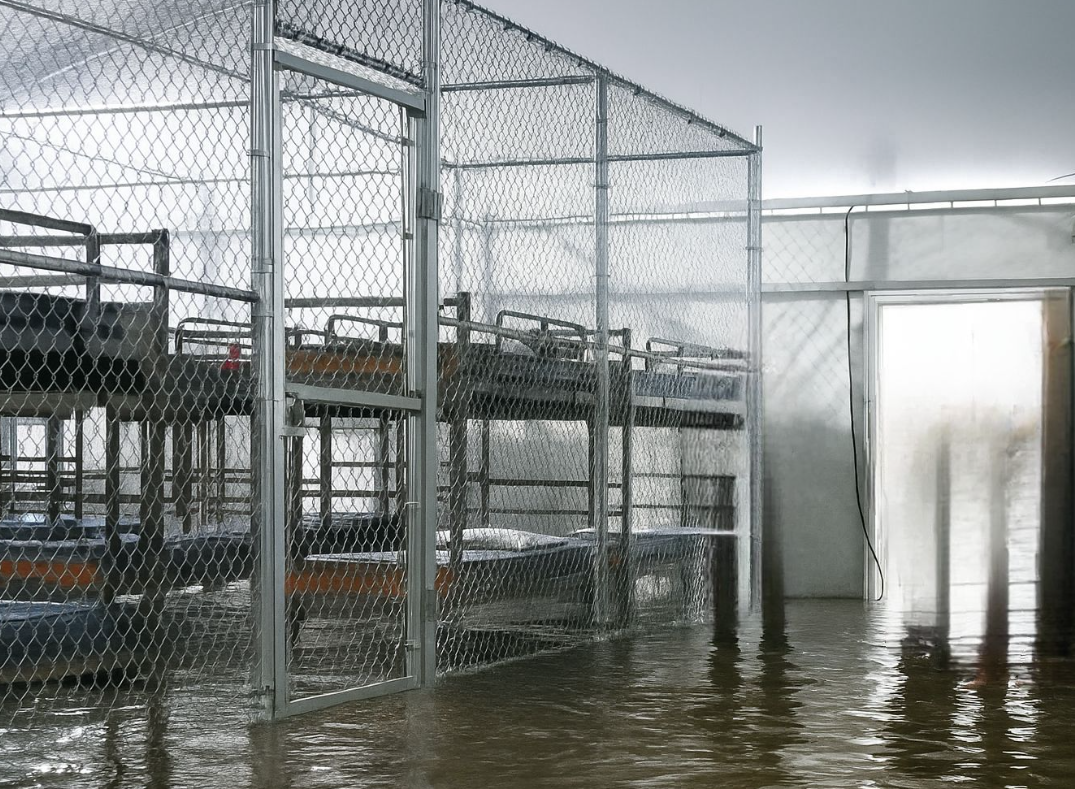
The opposition came in a condemnation in a resolution passed by the National Congress of American Indians (NCAI) at its annual convention in Seattle last month. Specifically, the resolution condemns the construction and operation of the Big Cypress Detention and Processing Center, commonly known as “Alligator Alcatraz,” in Florida’s Big Cypress National Preserve.
Please support our year-end campaign. CLICK HERE TO DONATE.

The resolution highlights past abuses, including the forced placement of Japanese American internment camps on tribal lands during World War II, and warns that tribal lands remain vulnerable to development during emergencies or under national security justifications.
The resolution NCAI notes the facility was built under a state of emergency without federal, state, county or tribal permits and without consultation with the Miccosukee or Seminole tribes, despite the presence of multiple traditional villages and a tribal school near the site.
NCAI also raises concerns about the lack of environmental review, potential harm to the Everglades ecosystem and threats to endangered species, emphasizing that tribal treaty and statutory rights—including hunting, fishing, and ceremonial practices—depend on the health of the land and water. The resolution argues that the detention center fails to accommodate or respect tribal reserved rights protected by federal law.
The resolution urges the U.S. Department of Homeland Security and the Florida Division of Emergency Management to cease operations at Alligator Alcatraz, calls on Congress to take action to shut down the facility, and establishes NCAI policy opposing the use of Indian Country for detention or internment camps unless and until the resolution is modified or withdrawn.
The resolution was passed prior to the release of a scathing report released by Amnesty International on December 4, 2025 that raises alarms over what it describes as “cruel, inhuman and degrading” conditions at two major immigration detention centers in southern Florida, following a September 2025 research mission examining the human rights impacts of federal and state migration policies under the Trump administration.
In a 61-page report released this week, the organization details findings from visits to the Krome North Service Processing Center in Miami-Dade County and the newly opened Everglades Detention Facility, widely known as “Alligator Alcatraz.” Researchers documented overcrowding, poor sanitation, inadequate medical care, and practices they say amount to torture.
The Miccosukee Tribe of Indians of Florida, joined by environmental groups and allied tribal leaders, has waged an unprecedented legal and political campaign to halt the facility’s construction and operation within the Big Cypress National Preserve, lands the tribe considers culturally and spiritually significant. The detention facility — rapidly built under an emergency order earlier this year — has sparked multiple lawsuits and protests over its environmental impact and proximity to tribal villages.
Miccosukee Chairman Talbert Cypress has condemned the facility’s location as a desecration of traditional homelands, saying the Big Cypress region is more than “uninhabited wasteland” — it is sacred country integral to tribal identity, ceremony and subsistence. He and tribal attorneys have argued that the facility’s construction near villages, ceremonial sites and hunting grounds violates longstanding tribal stewardship obligations.
The legal fight has seen victories and setbacks. In August, a federal judge ordered parts of the facility halted and key infrastructure removed on the grounds that officials failed to conduct required environmental reviews under federal law — a ruling hailed by tribal advocates as an affirmation that even state-driven projects must respect legal protections for land and tribal rights.
“The construction and operation of the detention center fails to contemplate or accommodate Tribal reserved rights, even when recognizing the Treaty or Statute which codifies those rights remains in effect,” the resolution reads.
More Stories Like This
50 Years of Self-Determination: How a Landmark Act Empowered Tribal Sovereignty and Transformed Federal-Tribal RelationsNABS Documents 134 More Survivor Stories, Expands Digital Archive in 2025
Navajo Nation Considers Ending Statute of Limitations for Child Sex Offenses
Pokagon Band allowed into Michigan Adult-use Cannabis Market Through State Agreement
Help us defend tribal sovereignty.
At Native News Online, our mission is rooted in telling the stories that strengthen sovereignty and uplift Indigenous voices — not just at year’s end, but every single day.
Because of your generosity last year, we were able to keep our reporters on the ground in tribal communities, at national gatherings and in the halls of Congress — covering the issues that matter most to Indian Country: sovereignty, culture, education, health and economic opportunity.
That support sustained us through a tough year in 2025. Now, as we look to the year ahead, we need your help right now to ensure warrior journalism remains strong — reporting that defends tribal sovereignty, amplifies Native truth, and holds power accountable.
 The stakes couldn't be higher. Your support keeps Native voices heard, Native stories told and Native sovereignty defended.
Stand with Warrior Journalism today.
Levi Rickert (Potawatomi), Editor & Publisher